What Urban Commuters Should Know About E-Bikes
Electric bikes produce zero emissions and provide up to 100 miles of range on a single charge. City life demands transportation choices that balance convenience, cost, and environmental responsibility. E-bikes are changing faster how we move around cities and serve as a practical alternative to cars and public transit. E-bikes keep gaining popularity, yet many potential riders don’t fully grasp their benefits. Market research shows the e-bike industry will grow at an annual rate of 13.06% and should reach $3.55 billion by 2029. The financial benefits become clear when you compare e-bikes to regular vehicles.
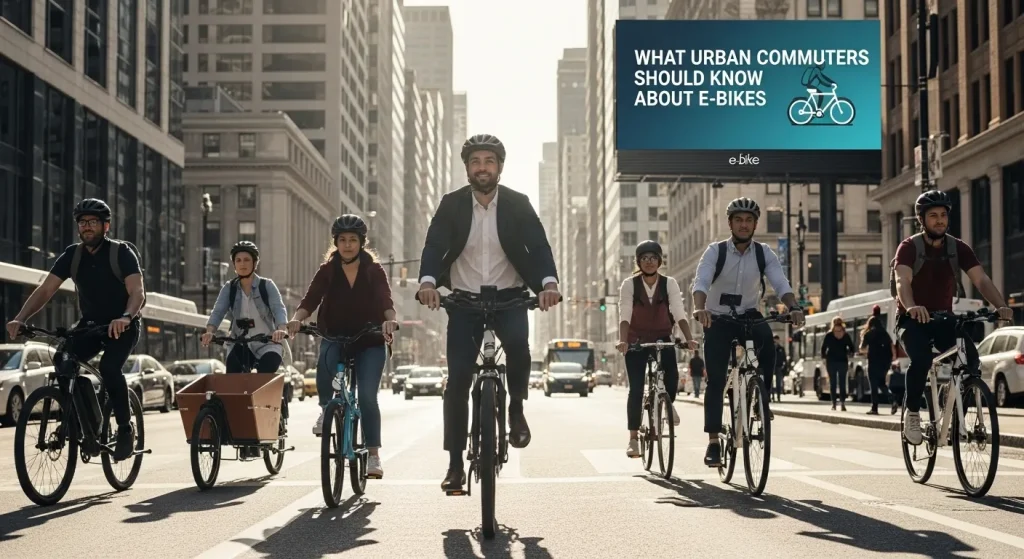
An e-bike’s annual charging cost runs about $24, which is nowhere near what you’d spend on gas for a car. On top of that, the best e-bikes do more than save money – they boost cardiovascular fitness, build muscle strength, and help reduce stress. This piece uncovers what most city commuters don’t know about e-bikes, from their effects on the environment to hidden costs and infrastructure challenges. Whether you’re thinking about buying an e-bike or just curious about this transportation shift, these insights will help you make smart choices about getting around the city.
Environmental and Social Impact of Electric Bikes
The rise of e-bikes worldwide offers more than just convenience – it serves as a powerful way to build sustainable cities. Research shows these versatile vehicles are changing urban landscapes in several important ways. you can read our comparison guide about Electric Bike Prices in 2025 also.
Zero Emissions and Clean Air
Electric bikes for adults help create cleaner urban environments through their minimal carbon footprint. Each e-bike cuts carbon dioxide emissions by about 225 kilograms yearly, which equals the emissions from an economy flight between Philadelphia and Chicago. E-bikes produce just 22 grams of CO2 per kilometer while cars generate a massive 271 grams. This makes them a much more eco-friendly choice. Cities could see a 12% drop in transportation carbon emissions with just 15% of people switching to e-bikes. These bikes produce zero tailpipe emissions and eliminate harmful pollutants like nitrogen oxides and particulate matter that cause respiratory diseases.
Reducing City Traffic
Urban areas see two key benefits from greater electric bike adoption. E-bikes can replace up to 64% of car trips, which results in 12% less traffic congestion. Their compact size allows better use of road space and helps traffic flow smoothly through metropolitan areas
The numbers tell an impressive story – widespread e-bike use could remove more than 40 million private vehicles from Indian roads and 8 million cars from US streets. This change would cut emissions and create more available urban spaces with reduced parking needs and less wear on infrastructure.
Lower Urban Noise
The best electric bikes bring another key benefit – they help create quieter cities. Regular vehicles create 70-90 decibels of noise, but e-bikes run at just 50-60 decibels. This major drop in ambient noise creates peaceful urban settings that benefit everyone’s health. Less noise means lower stress levels, better sleep quality, and improved overall well-being for city residents.
Quiet streets also create better environments for urban wildlife and make public spaces more enjoyable since people don’t need to shout over traffic noise.
As more people discover electric bikes for sale, their combined effect on creating cleaner, quieter, and less crowded cities grows more important each day.
What Most Commuters Don’t Know About E-Bike Tech
Urban riders love electric bikes for their convenience, but many don’t fully grasp the technology that powers these machines. Your riding experience and satisfaction depend on understanding these technical elements.
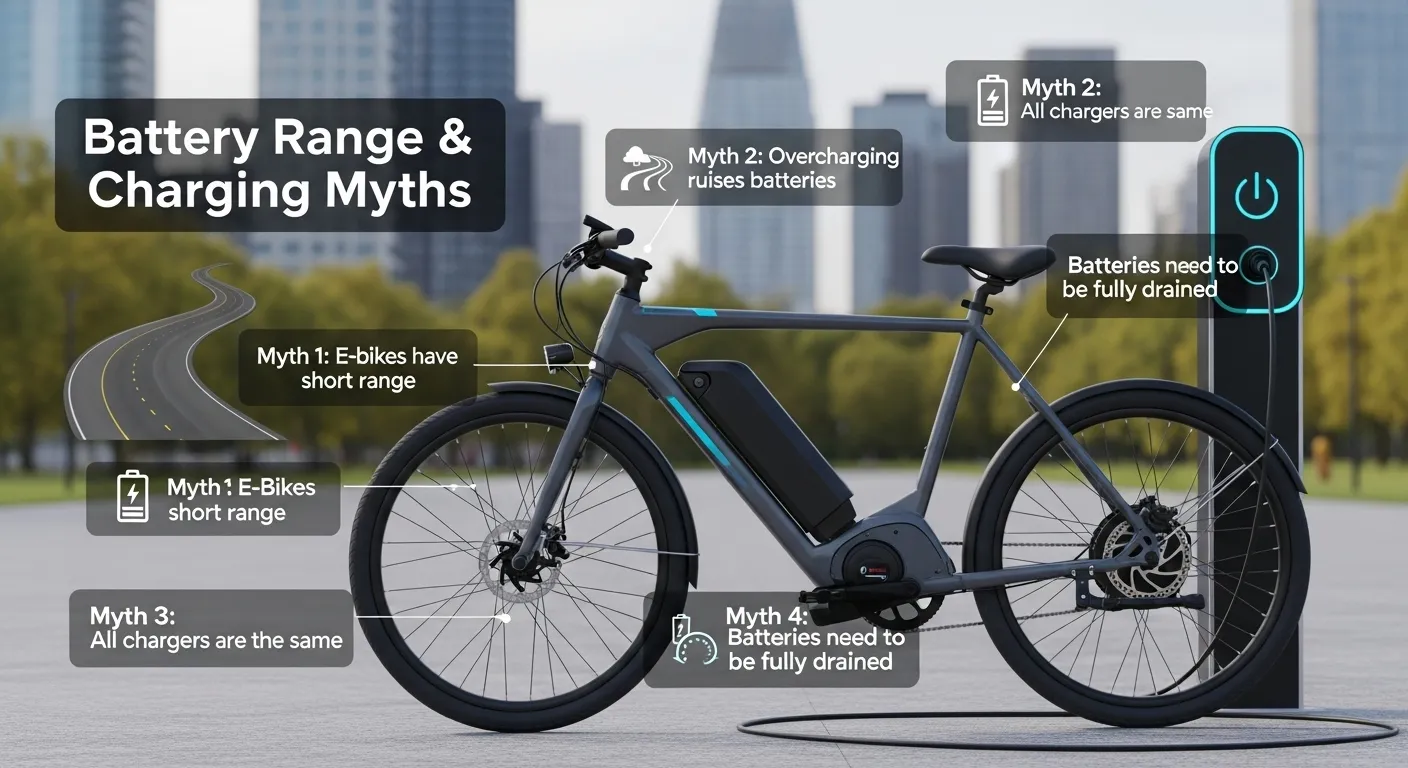
Battery Range & Charging Myths
You don’t need special equipment to charge an e-bike battery, your regular home outlets will do just fine. Many riders worry about their batteries wearing out, but today’s lithium-ion batteries last between 500-1000 full charge cycles. This gives you 3-5 years of regular use.
New riders often miss the mark on actual range expectations. While manufacturers might claim 40+ miles per charge, your real distance depends on several factors:
Rider weight and terrain (hills can reduce range by 30%)
Temperature (cold weather can decrease range by up to 15%)
Assistance level (using maximum power consistently cuts range by half)
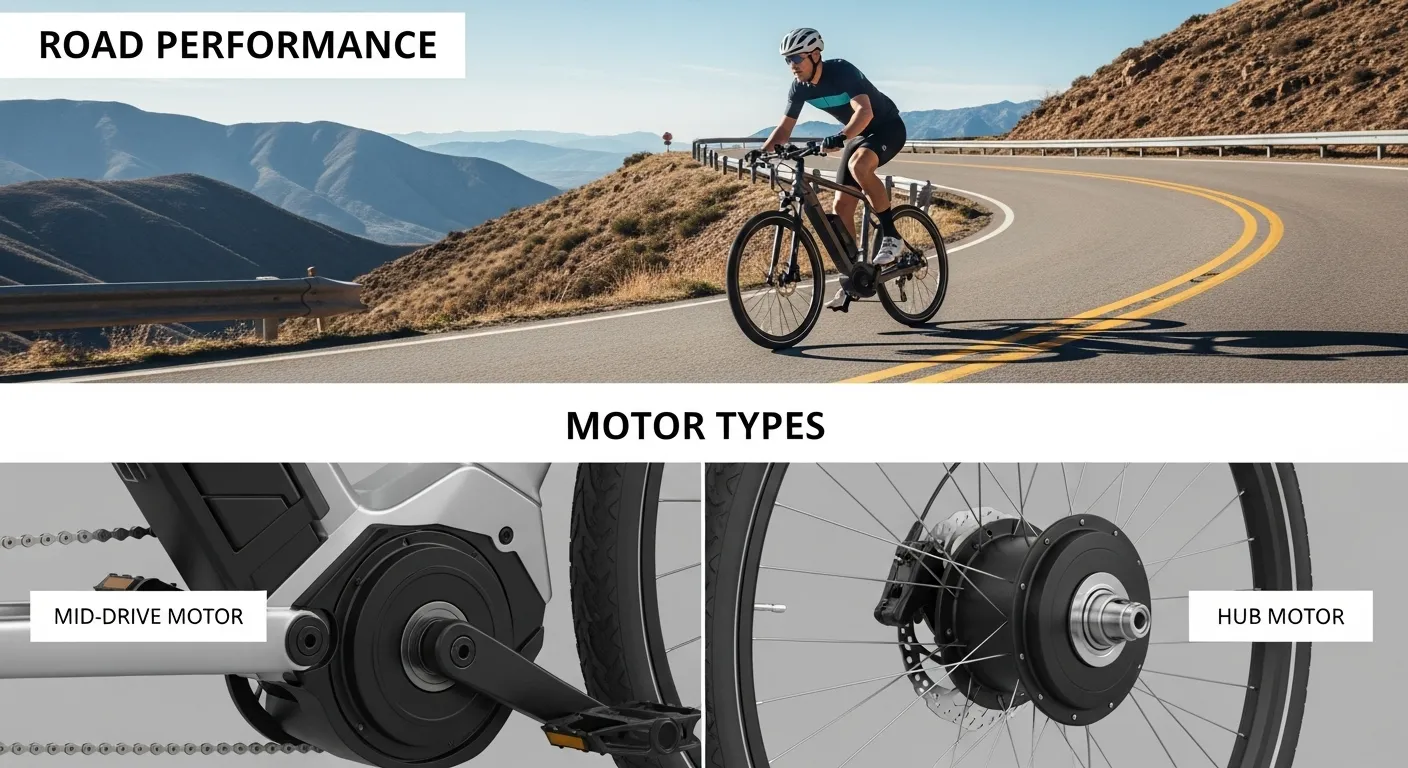
Motor Types & Road Performance
Electric bikes for adults come with two main types of motors, each giving you a different feel on the road. Hub motors sit in the wheel and give you instant power but don’t handle steep hills well. Mid-drive motors, on the other hand, sit at the pedal crank. These motors spread weight better and handle varied terrain well by working with the bike’s gears.
Don’t let wattage ratings fool you, a 750W motor isn’t always better than a 500W one. The peak power (measured in Newton meters of torque) determines how well you’ll climb hills and accelerate. If you’re looking at best electric bikes for hilly routes, pay attention to torque specs.
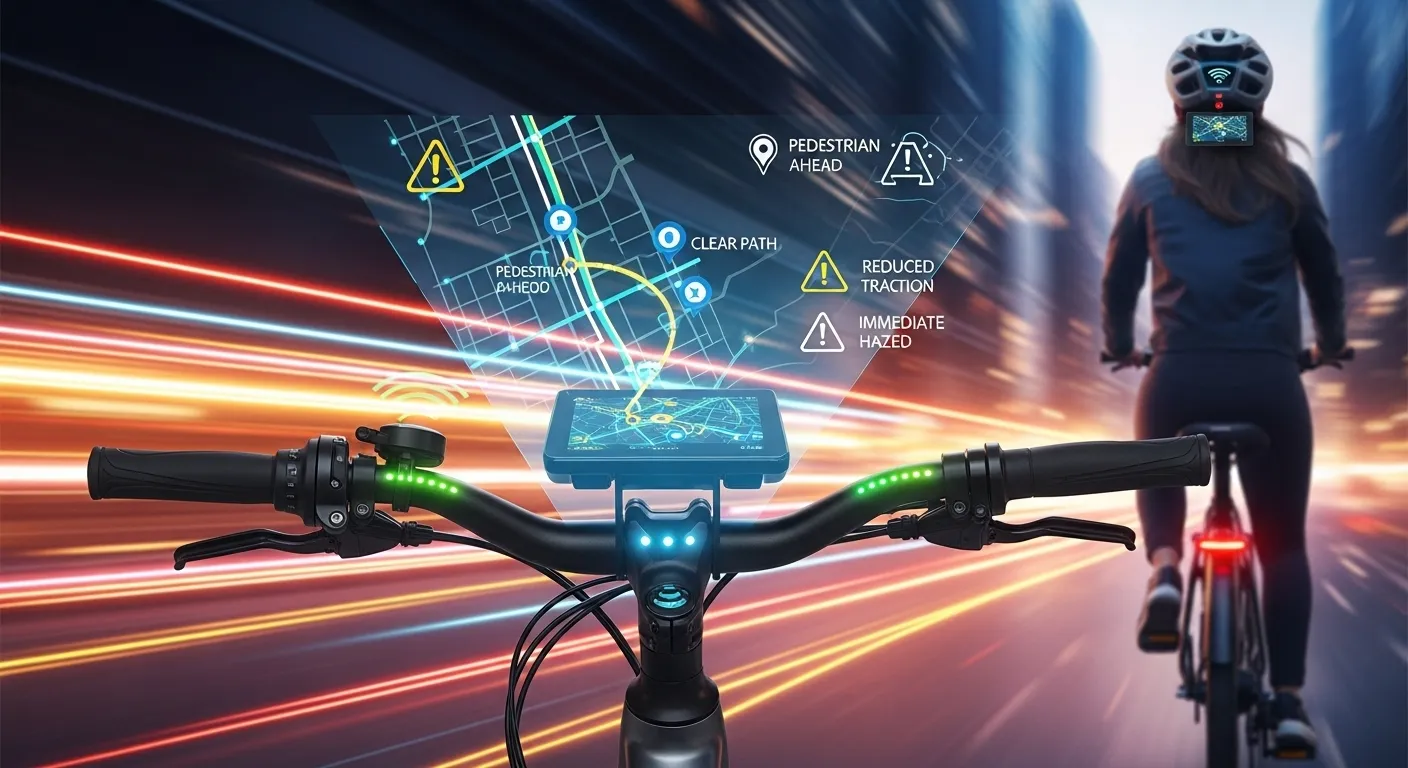
Smart Features for Safety & Navigation
The newest electric bikes for sale pack more than simple transportation technology. Built-in GPS systems help you track routes and protect against theft through location tracking. The bikes also feature smart lights that adjust to changing light conditions for better visibility.
Smartphone apps have changed how we ride these bikes. You can now lock or unlock your bike from your phone, adjust power settings, and spot potential problems before they get serious. These features help your battery last longer through better power management and give you useful stats about your rides.
Hidden Costs and Savings of Owning an E-Bike
People who want to buy electric bikes for adults should look beyond the price tag. The complete financial picture shows everything about costs, savings, and maintenance expenses over time.
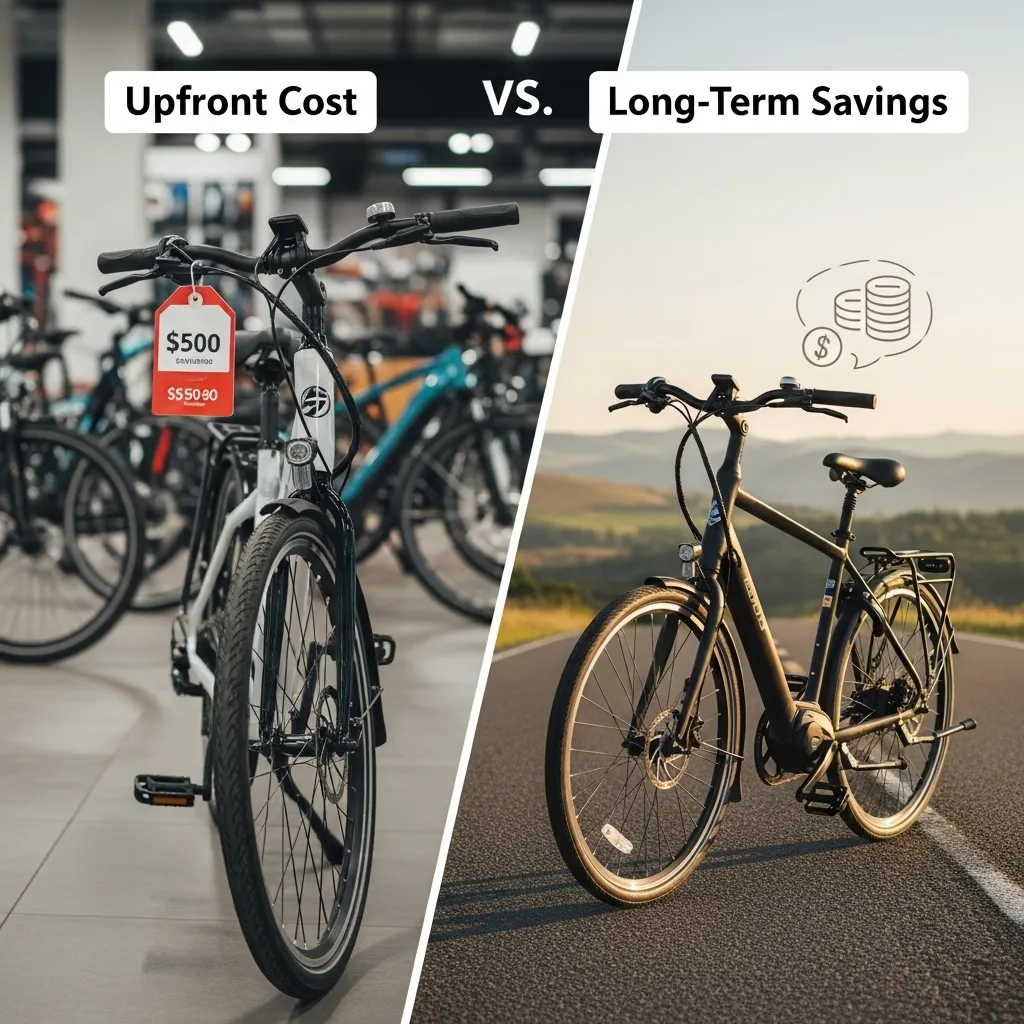
Upfront Cost vs Long-Term Savings
Quality electric bikes cost between $1,000 and $5,000. This might look expensive compared to regular bikes. In spite of that, you’ll save money in the long run. Car owners pay about $12,182 every year for maintenance, fuel, and payments. E-bike owners spend much less to keep their bikes running. One cyclist covered 11,500 miles on her e-bike and paid just $30.75 for electricity over five years. The same distance in a car would have cost $1,500 in fuel. So, riders can save more than $5,000 each year.
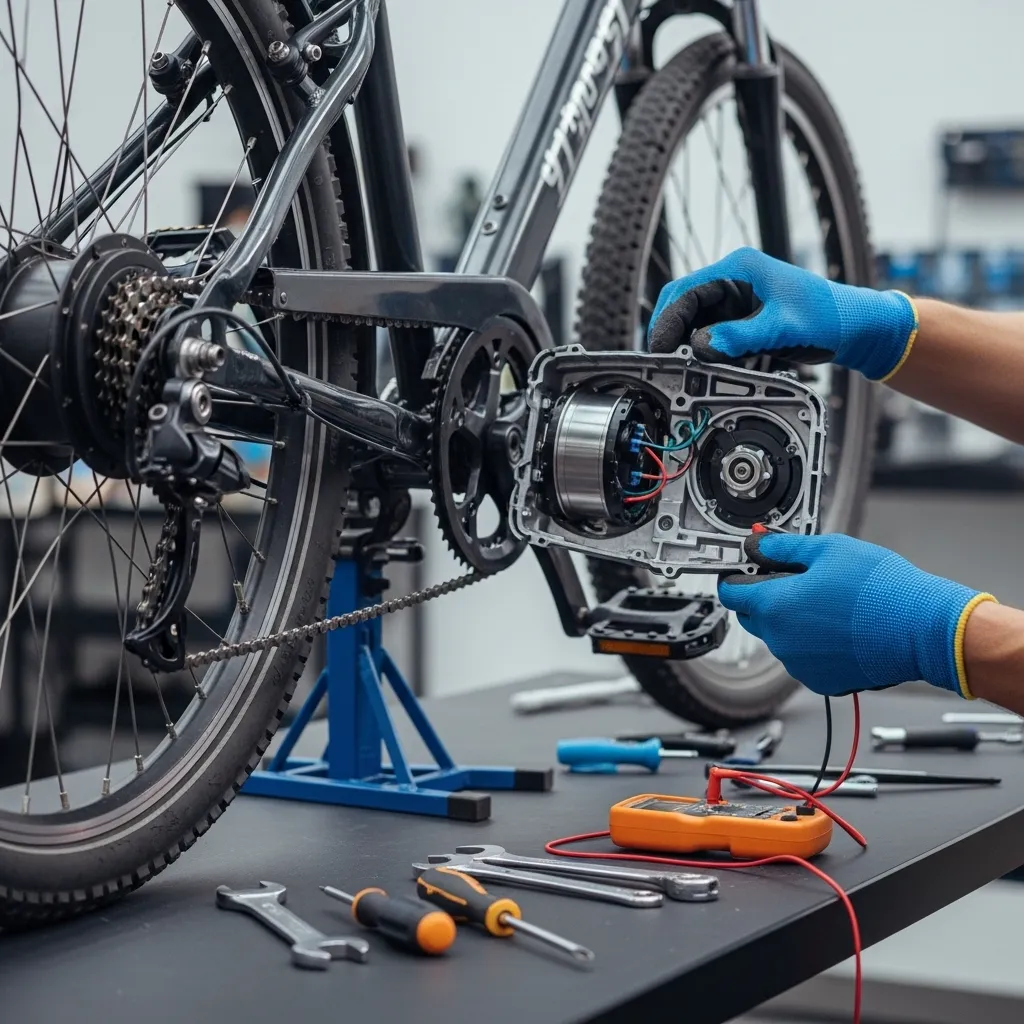
Maintenance and Repairs
E-bike maintenance costs run $200 to $300 yearly. This covers tune-ups and simple parts. Professional service costs range from $100-$500 based on what needs to be done. Most riders need service after 1,000 miles or every 6-12 months. The most important regular expense is a new battery, which costs $500-$800 every 3-5 years. E-bikes’ extra weight and speed mean tires ($30-$70 each) and brake pads ($15-$30 per set) wear out faster.
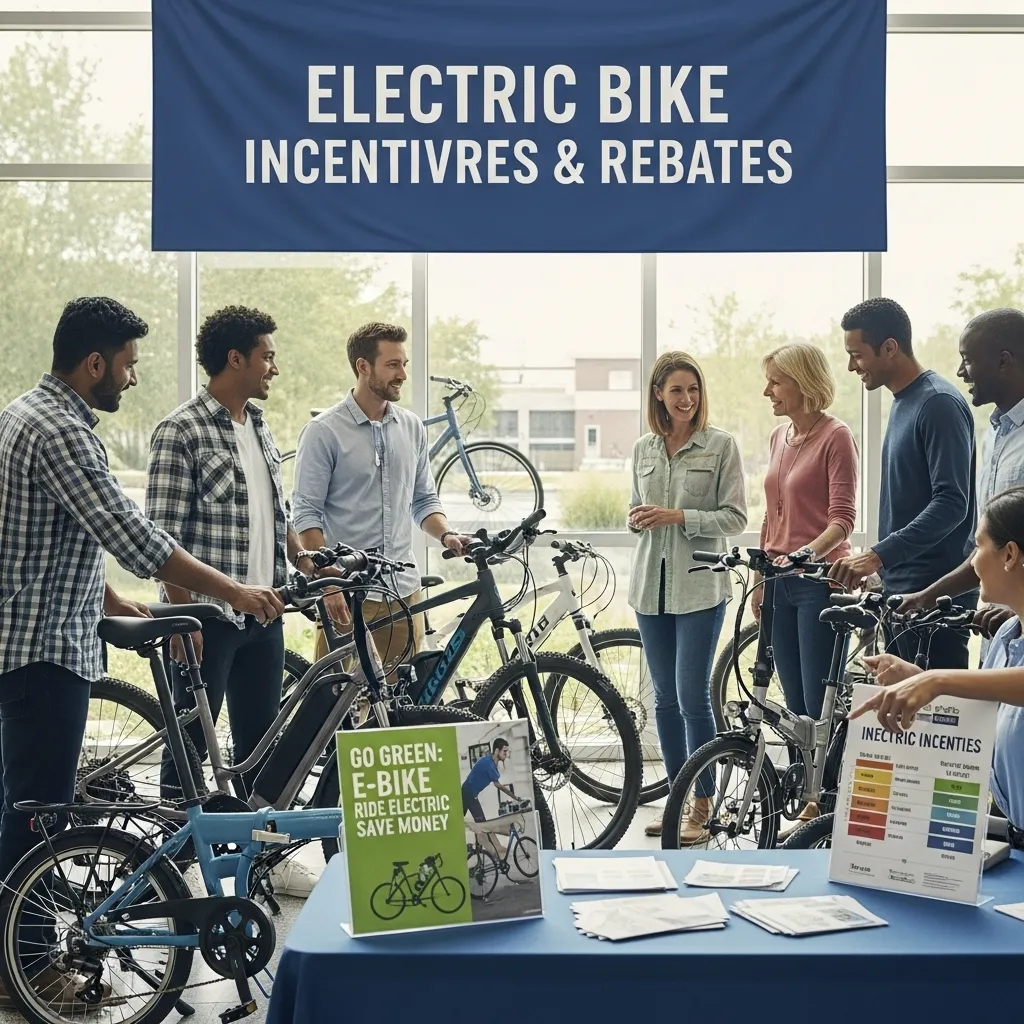
Incentives and Rebates
Government programs help make the best electric bikes cheaper. California gives rebates up to $2,000 for e-bike purchases. Colorado offers up to $1,500 to low-income residents. There’s a proposed federal law that would give a 30% tax credit (up to $1,500) for e-bikes under $8,000. In fact, many states now offer instant rebates at purchase. These programs make electric bikes for sale available to more people.
Why Infrastructure and Policy Matter
The success of the electric bike revolution depends on infrastructure and policy framework that often can’t keep up with growing e-bike adoption.
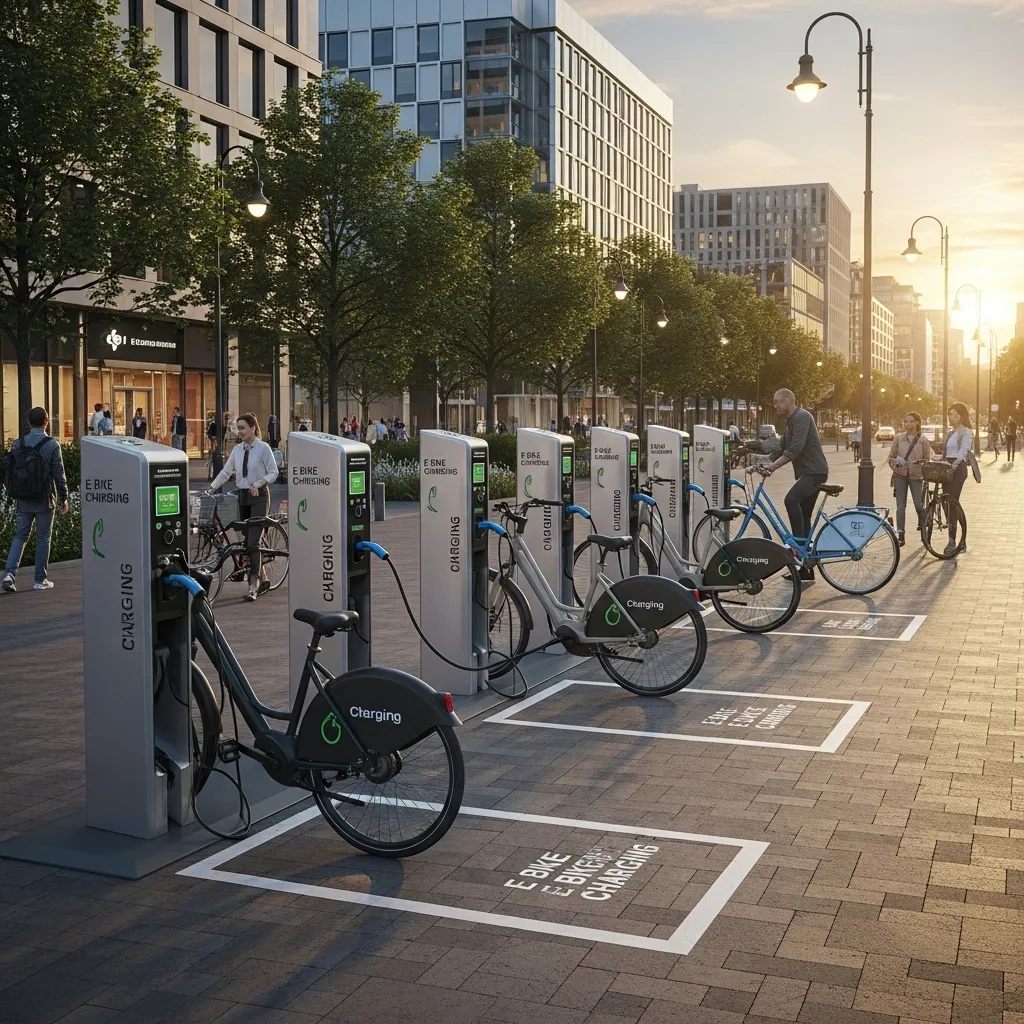
Charging Stations and Parking Gaps
Cities face a huge shortage of charging infrastructure. NYC has approved just nine charging cabinets citywide, which falls short for its estimated 80,000 delivery workers. Theft remains the biggest worry for e-bike owners, and many resort to indoor charging despite fire risks. Solutions like V-Locker vertical storage systems and Bikeep stations with surveillance cameras show promise but remain rare in urban centers.
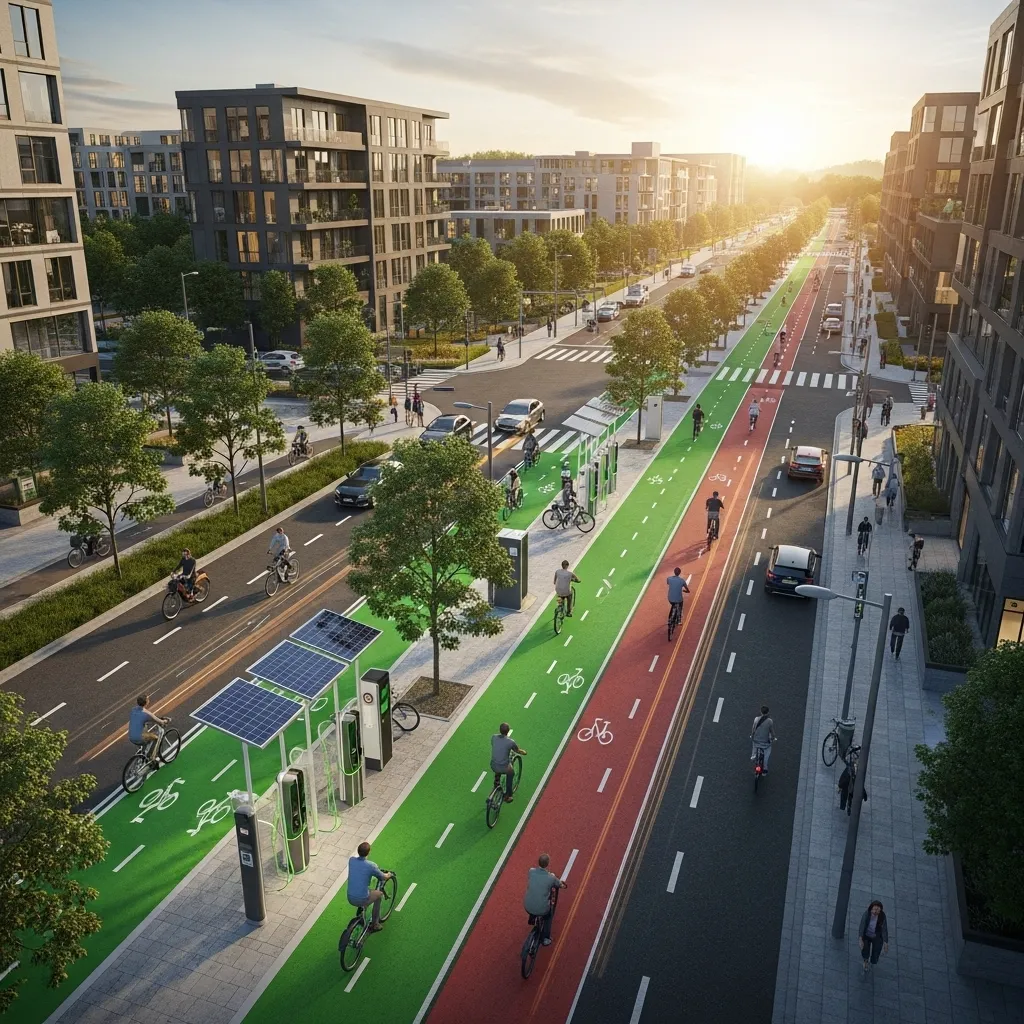
City Planning and E-Bike Usability
The success of electric bikes for adults needs smart urban planning. Protected bike lanes make cycling much safer, but many cities still lack proper infrastructure. E-bikes face challenges with transit integration because some bike racks on public transport can’t handle their weight or longer wheelbase. Cities that invest in bike infrastructure see less traffic and pollution.
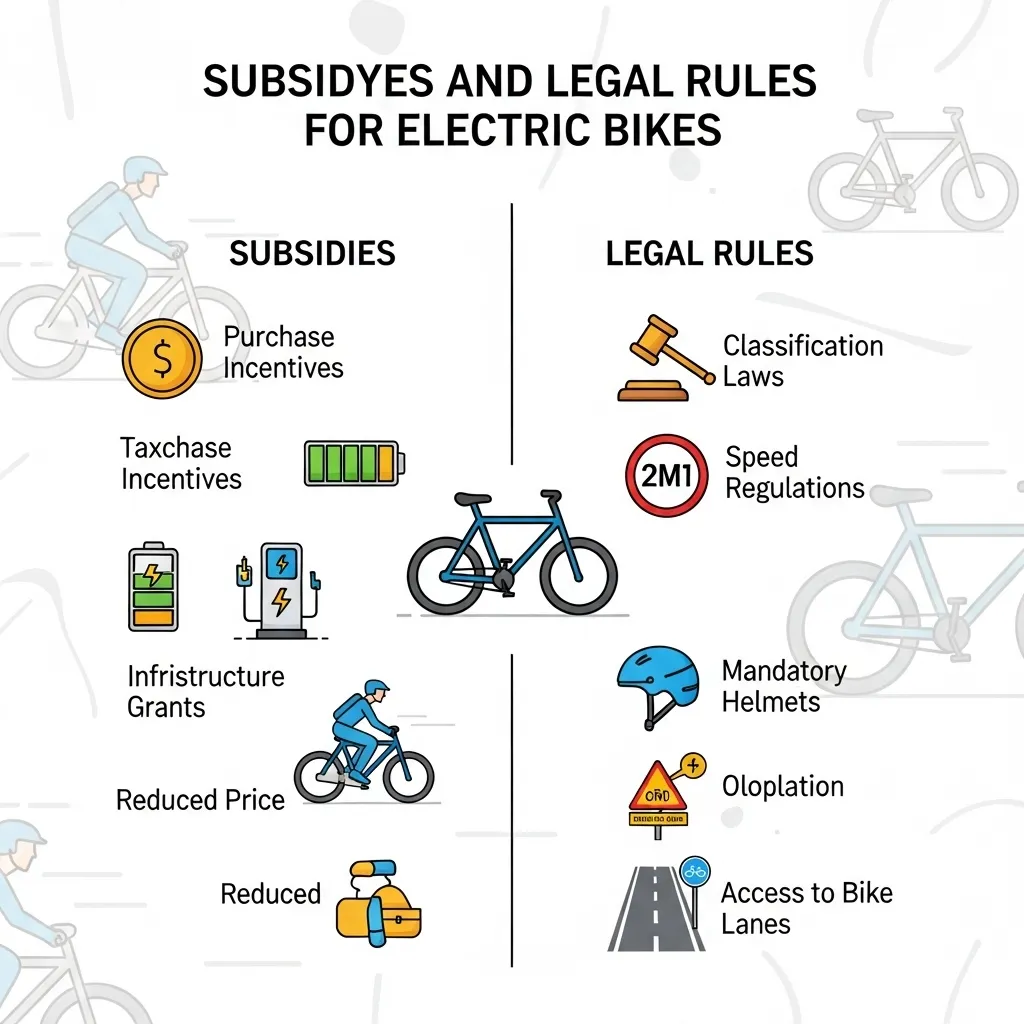
Subsidies and Legal Rules
The three-class framework helps best electric bikes access bicycle infrastructure properly. E-bikes classified correctly get the same rights and protections as regular bicycles. Subsidies help make electric bikes for sale cheaper, Denver’s programs offer up to $1,200. These savings add up since each e-bike that replaces car trips can save over $11.50 billion across 10 states over a decade.
Conclusion
E-bikes are transforming urban transportation by Safely Clean Your Electric Bike, faster, and more affordable commuting. They deliver strong environmental benefits, advanced technology, and long-term savings that outweigh the upfront cost. As battery tech improves, e-bikes will go farther and last longer, though better parking, charging, and policies are still needed. Cities that invest in e-bike infrastructure will enjoy less traffic, cleaner air, and healthier communities. Whether you’re ready to buy or just exploring options, e-bikes show how modern commuting can be efficient, fun, and sustainable.