E-Bike Laws 2025: New Speed Limits & State Rules
The United States’ e-bike laws can leave riders scratching their heads, as regulations vary substantially between states. Sales of e-bikes jumped by 83% from May 2017 to May 2018, making it crucial for riders to understand their local rules.
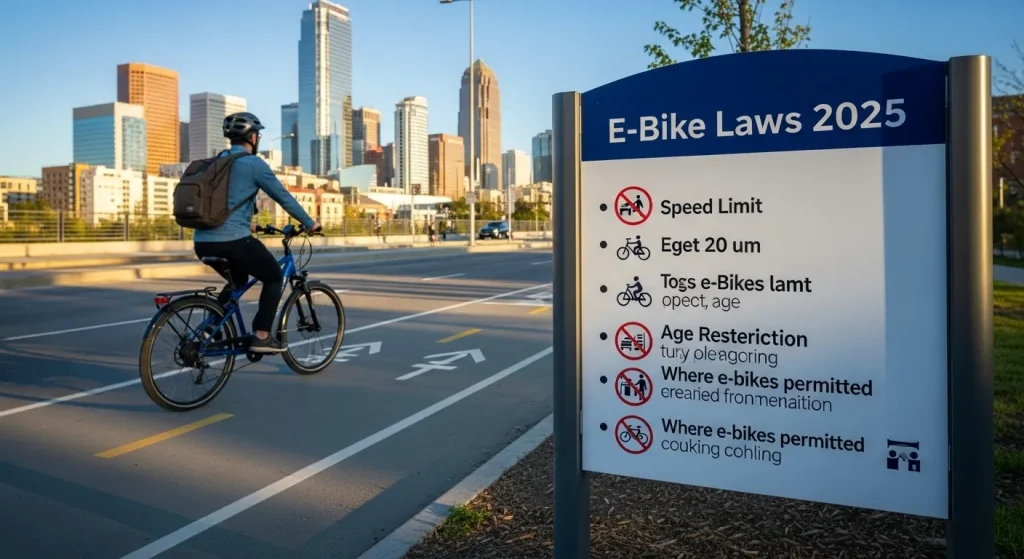
New York’s e-bike landscape continues to change. The state plans to lower e-bike speed limits to 15 mph this month. In 2020, New York’s riders can use electric bicycles on designated streets and highways. The state’s rules require riders to be at least 16 years old. Each e-bike must display the manufacturer’s classification information on a label.
Let me break down the latest speed limit rules, classification systems, and legal riding zones for 2025 in this piece. You’ll find everything about current e-bike laws, whether you already ride or plan to buy one. The price difference between traditional and electric bikes is worth noting – regular bikes cost around $1,000, while e-bikes typically range from $2,000 to $3,000.
2025 E-Bike Classifications and Legal Definitions
The three-class e-bike system serves as the foundation for electric bicycle regulations across the nation. This framework, which PeopleForBikes championed, has been adopted by 36 states as of 2025. Each class reflects different speed capabilities and motor assistance types.
Federal E-Bike Guidelines
Federal guidelines require electric bicycles to have working pedals and motors under 750 watts. The system divides e-bikes into three distinct categories. Class 1 bikes support pedal-assist up to 20 mph. Class 2 models can reach the same speed using throttle assistance. Class 3 e-bikes push the limit to 28 mph with pedal-assist and must have a speedometer.
New Legal Updates for 2025
New laws have brought stricter definitions to the framework. California’s SB No. 1271 takes effect in January 2025 and bans throttles on Class 1 and Class 3 e-bikes. The law limits Class 1 e-bikes to throttle assist of 3.7 mph, which we designed for walk-assist features.
State-Specific Power Limit Regulations
States differ in their power limit regulations. Most follow the standard 750-watt cap, but Georgia, Kansas, Minnesota, Oklahoma, Oregon, and Virginia allow 1000 watts. Maryland stands out with a lower 500-watt limit. Florida and Mississippi operate without specific power restrictions.
Battery Safety Regulations
Battery safety has become a crucial focus in recent regulations. California leads the way by requiring UL certification for all e-bike batteries starting January 2026.
Helmet, Age, and Insurance Requirements by Class
E-bike safety regulations show dramatic variations throughout the United States. Helmet requirements stand out as one of the most tightly controlled aspects. Five states make helmets mandatory for riders of all ages and e-bike classes , Connecticut, Maryland, West Virginia, Massachusetts, and Louisiana. Most states take a different approach. They base their helmet rules on age, usually requiring them for riders under 16 or 18 years old.

Class-Specific Helmet Regulations
Many states have specific helmet rules for different e-bike classes. California requires all Class 3 riders to wear helmets whatever their age. The state only mandates helmets for riders under 18 on Class 1 and 2 models. Arkansas takes a similar stance and requires helmets for all electric bicycle riders under 21.
Age Limits for E-Bike Riders
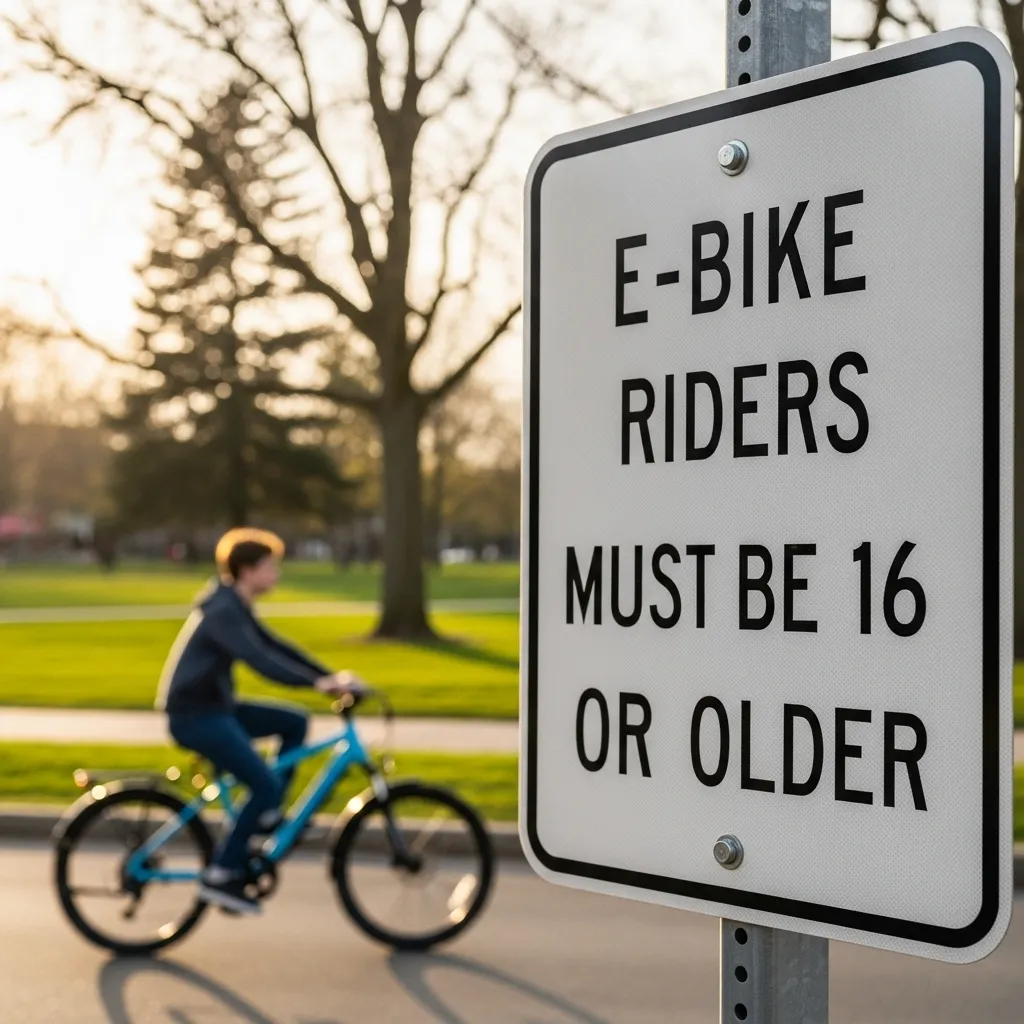
Age limits also play a key role in e-bike regulations. Most states let riders of any age operate Class 1 and 2 e-bikes. Class 3 e-bikes come with stricter rules, riders must be at least 16 years old. This age limit exists because these machines need more skill to handle their higher speeds safely.
Insurance and Registration Requirements
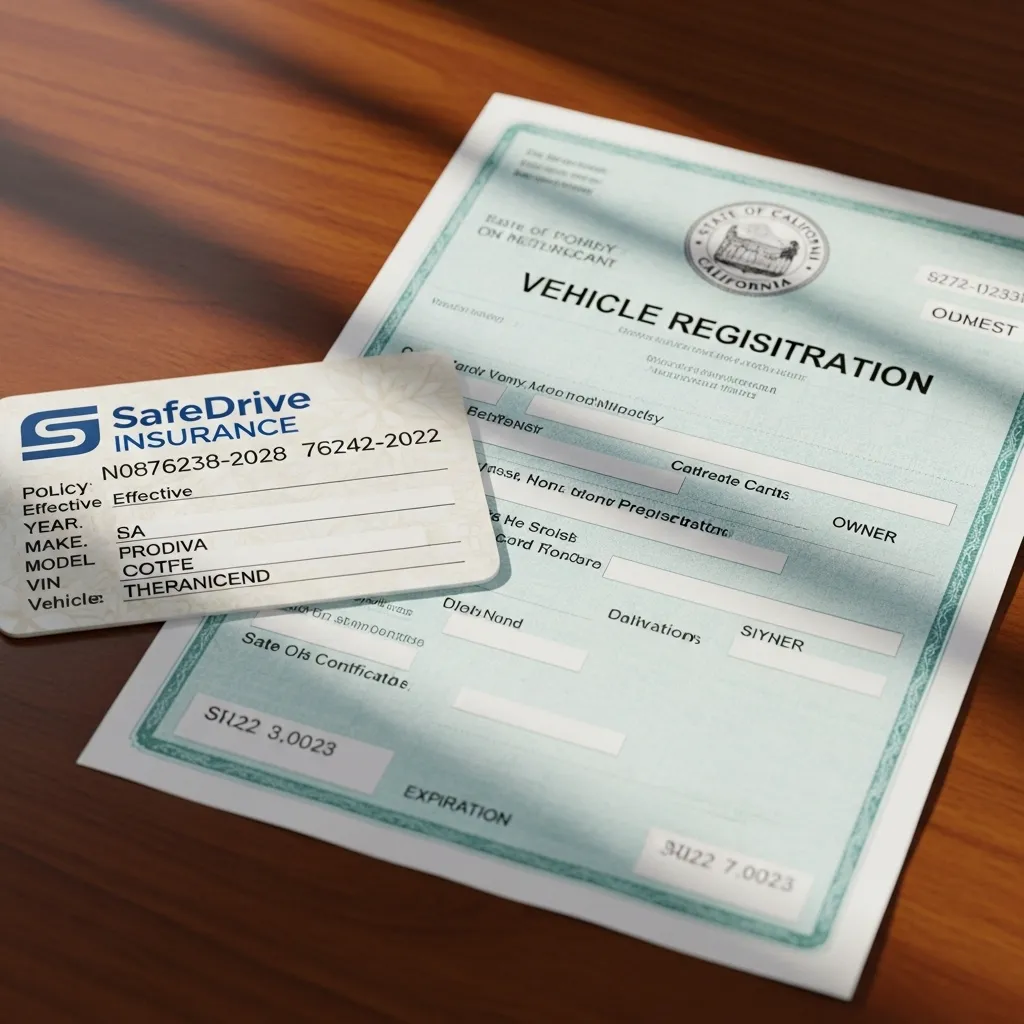
Insurance and registration rules stay minimal in most states. Class 1 and 2 e-bikes usually don’t need motor-vehicle style registration. Some states break from this pattern. Alabama demands driver’s licenses and registration for all e-bikes. Hawaii charges a one-time $30 registration fee. North Dakota puts some e-bikes under moped laws.
Where You Can Legally Ride an E-Bike in 2025
E-bikes’ access regulations vary based on their classification, and each state sets unique legal operation boundaries. Most states allow Class 1 and Class 2 e-bikes on bike lanes, roads, and multi-use paths. Class 3 e-bikes face tighter restrictions because of their higher speeds.

Access Rights by E-Bike Class
Access patterns follow a clear hierarchy. Class 1 e-bikes have the widest access rights that include bike paths, multi-use trails, and some natural surface trails. Class 2 models can use bike lanes and roads but encounter more limitations on multi-use paths. Roads and bike lanes adjacent to roadways remain the primary domain of Class 3 e-bikes, which cannot operate on sidewalks.
Federal Land and Trail Regulations
The Department of Interior welcomes e-bikes in areas that allow traditional bicycles. However, the U.S. Forest Service considers them motorized vehicles and limits their use to designated motorized trails. A National Park Service regulation from December 2, 2020 gives park superintendents authority to permit specific e-bike classes on trails that welcome conventional bicycles.
Local and City-Level E-Bike Rules
Many cities create their own rules. Chicago’s regulations, to name just one example, ban Class 3 e-bikes from bike lanes and trails unless signs indicate otherwise. Oregon’s July 2025 rules allow e-bikes on park roads and trails that welcome standard bicycles, except where signs prohibit them.
Conclusion
E-bike regulations across the U.S. remain complex in 2025 as states continue updating their laws. The three-class system helps organize categories, but rules still differ by state. Your e-bike’s class determines where you can ride and what safety measures apply.Also you can read our comparison guide about Electric Bike Safety.
Helmet, age, and access rules vary widely, and federal lands follow separate standards. As e-bikes grow in popularity, regulations will keep evolving. Staying informed about your state’s latest laws ensures you ride safely and legally.