
E-Bike Safety Tips: Ride Smart, Stay Protected
E-bike injuries have doubled in a year, and the numbers keep climbing. Recent trends show alarming Safety Tips concerns for electric bikes nationwide. Between 2022 and 2023, New York City’s Fire Department documented over 250 e-bike fires that killed five people and injured dozens more. These numbers paint a stark contrast to 2019’s mere 13 fire incidents.
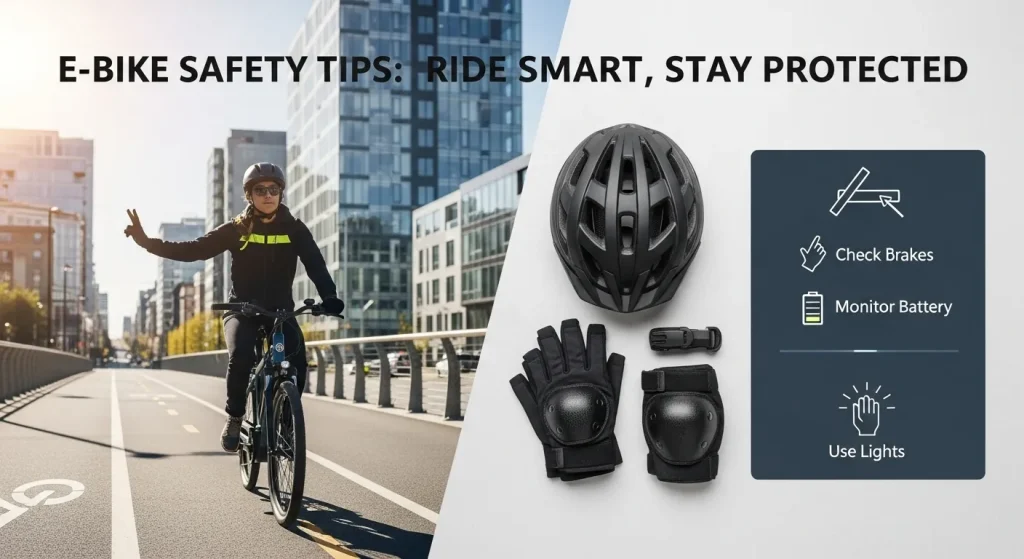
Class III e-bikes can reach speeds up to 28 MPH, which creates substantial risks for riders who don’t take proper safety measures.
Children between 10-15 years face the greatest danger – their risk of serious e-bike injuries is five times higher than other age groups. Many cities have responded to these concerns. New York City’s 15 MPH speed limit for e-bike riders serves as one example. Let’s explore some practical e-bike safety tips that cover everything from battery Safety Tips to riding techniques that keep you and others protected. Safe riding ensures everyone can enjoy e-biking’s freedom responsibly.
Essential Gear for Safe Riding
Safety Tips equipment serves as your first line of defense when riding an electric bike. E-bikes can reach much higher speeds than traditional bicycles, so you need specialized gear to stay protected.

Always wear a certified helmet
Standard bicycle helmets don’t protect e-bike riders well enough. You should use a helmet with NTA-8776 certification, which is made just for e-bikes. These helmets protect you better against high-impact speeds and shield more of your head than traditional ones. Research shows helmets lower the risk of head injuries by 85% to 88%. Your chances of fatal head injuries drop by 65% when you wear the right helmet.
The CPSC standard came from the 1980s for bikes going around 15 mph. NTA-8776 certification arrived in 2016 and works for vehicles that reach speeds up to 28 mph. This makes it a better choice for today’s e-bikes.
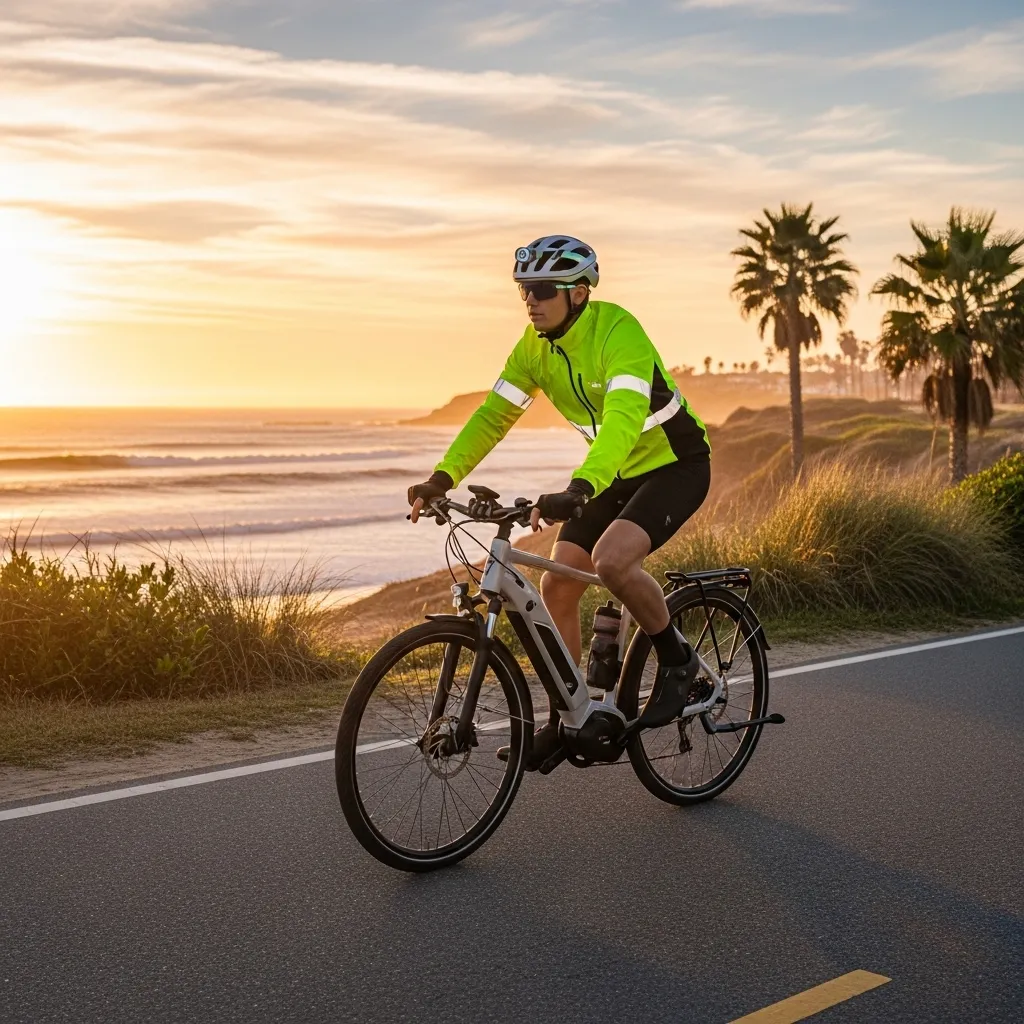
Wear bright or reflective clothing
Bright, reflective clothing helps others see you better. Pick clothes with 360-degree reflectivity to stay visible from all angles. Reflective materials bounce 90% of light back to its source, like car headlights. Put reflective elements on moving body parts, arms and legs, because their motion catches drivers’ eyes better than static reflectors. ANSI-certified apparel with at least 1.25 square feet of reflective fabric gives you the best visibility. Good reflective jackets do more than keep you safe, they keep you dry, let your skin breathe, and work in any weather.
Use lights and reflectors for visibility
You must have proper lighting, it’s not optional. Canadian regulations state that e-bikes need:
City riders should use a front light with 800-1,500+ lumens to light their path. Your rear light needs at least 50 lumens with multiple flash patterns to stay visible. Clean front, rear, wheel, and pedal reflectors work better. Most night cycling accidents happen because drivers can’t see the riders clearly. A complete lighting system makes you noticeable from every angle and lowers your accident risk.
Smart Riding Habits
Becoming skilled at proper riding techniques is just as vital as wearing the right gear to stay safe on an electric bike. The way you ride affects your Safety Tips and everyone around you.
Follow local traffic laws and e-bike rules
Most states legally define electric bikes as vehicles that must follow all traffic laws. Your e-bike needs to stop at red lights and stop signs, ride in the proper direction with traffic, and yield when you don’t have the right of way. E-bike regulations differ by a lot depending on where you live – some states even classify them as motor vehicles that need driver’s licenses. Before you start riding, look up your state’s specific rules about where different e-bike classes can operate legally, since many areas don’t allow certain types on trails or paths.
Avoid sidewalks and yield to pedestrians
Riding electric bikes on sidewalks isn’t a good idea, even if your area allows it. Bike lanes are your best option whenever you can find them. Your speed should match the environment on multi-use paths. Let others know you’re coming by saying “on your left” when passing. Yes, it is important that pedestrians always have the right of way on shared paths. Be ready to slow down or stop completely around children and pets since they might move unexpectedly.
Electric Bike Battery Safety Tips
Battery Safety Tips deserves equal attention as your riding skills for electric bike safety. Most e-bikes run on lithium-ion batteries that can pose risks without proper handling.
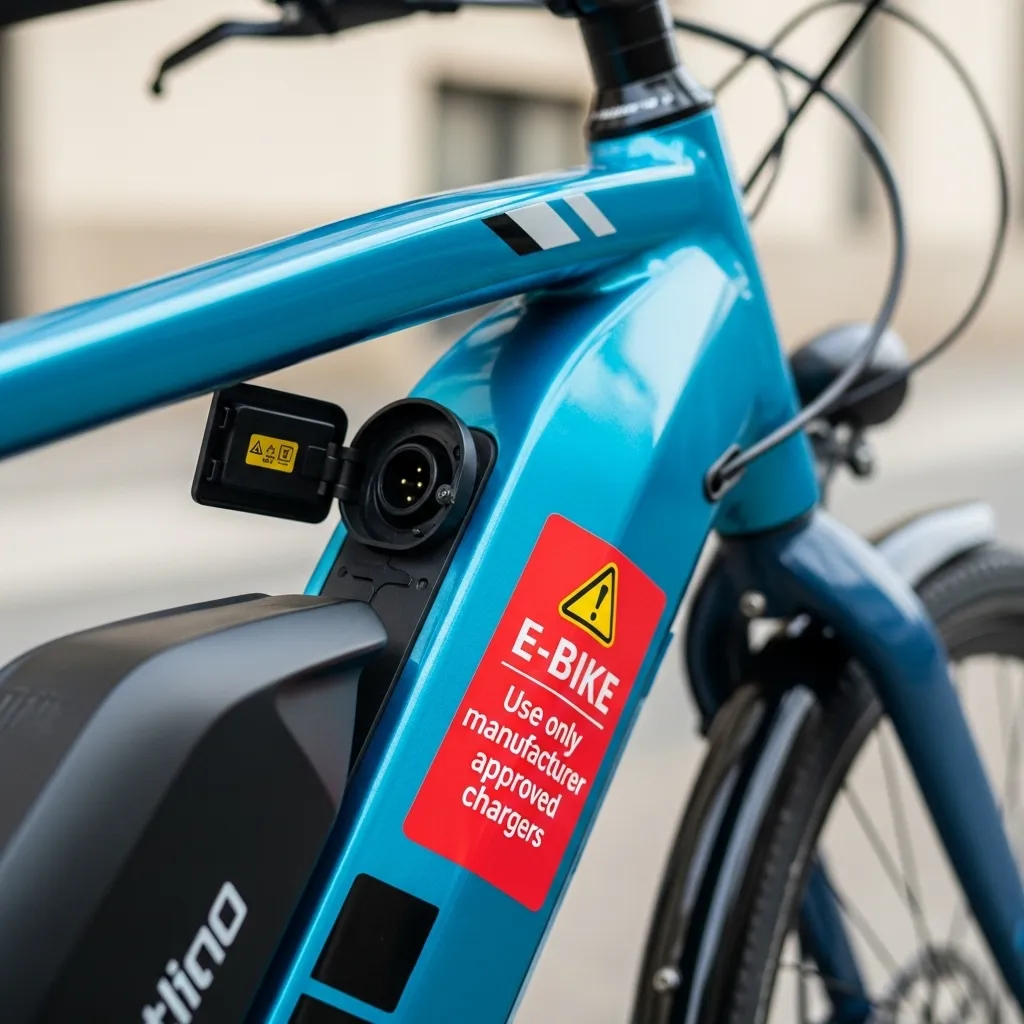
Use only manufacturer-approved chargers
Your e-bike’s original charger or a manufacturer-approved replacement should be your only choice. The wrong charger will void your warranty and create serious safety risks. Voltage differences between chargers can damage your battery or create fire hazards. This detail matters more than you might think – many e-bike battery fires trace back to aftermarket chargers.
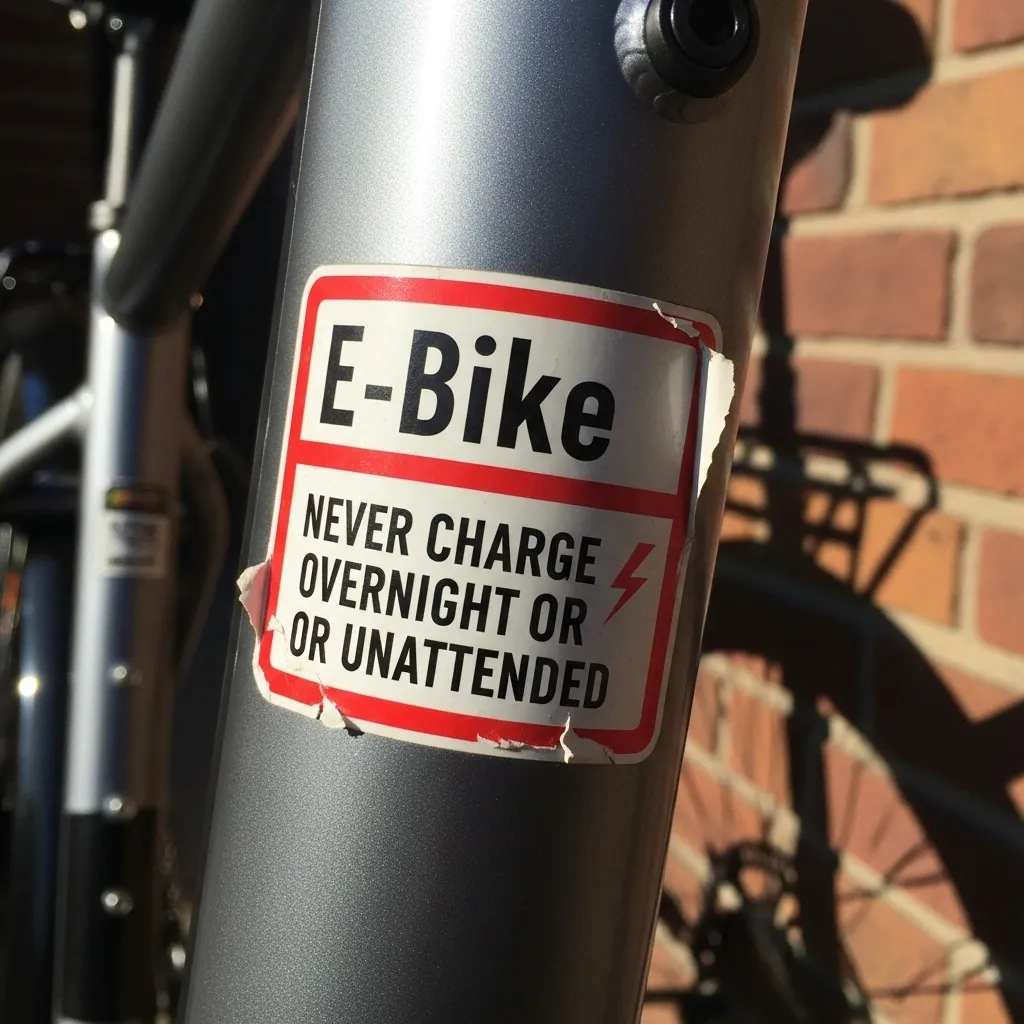
Never charge overnight or unattended
Battery fires happen more often during charging than riding. You should never leave your battery charging overnight or without supervision. Modern batteries have overcharge protection, but you should still unplug them right after they’re full. The same rule applies to extension cords and power strips – they don’t belong in the charging process.
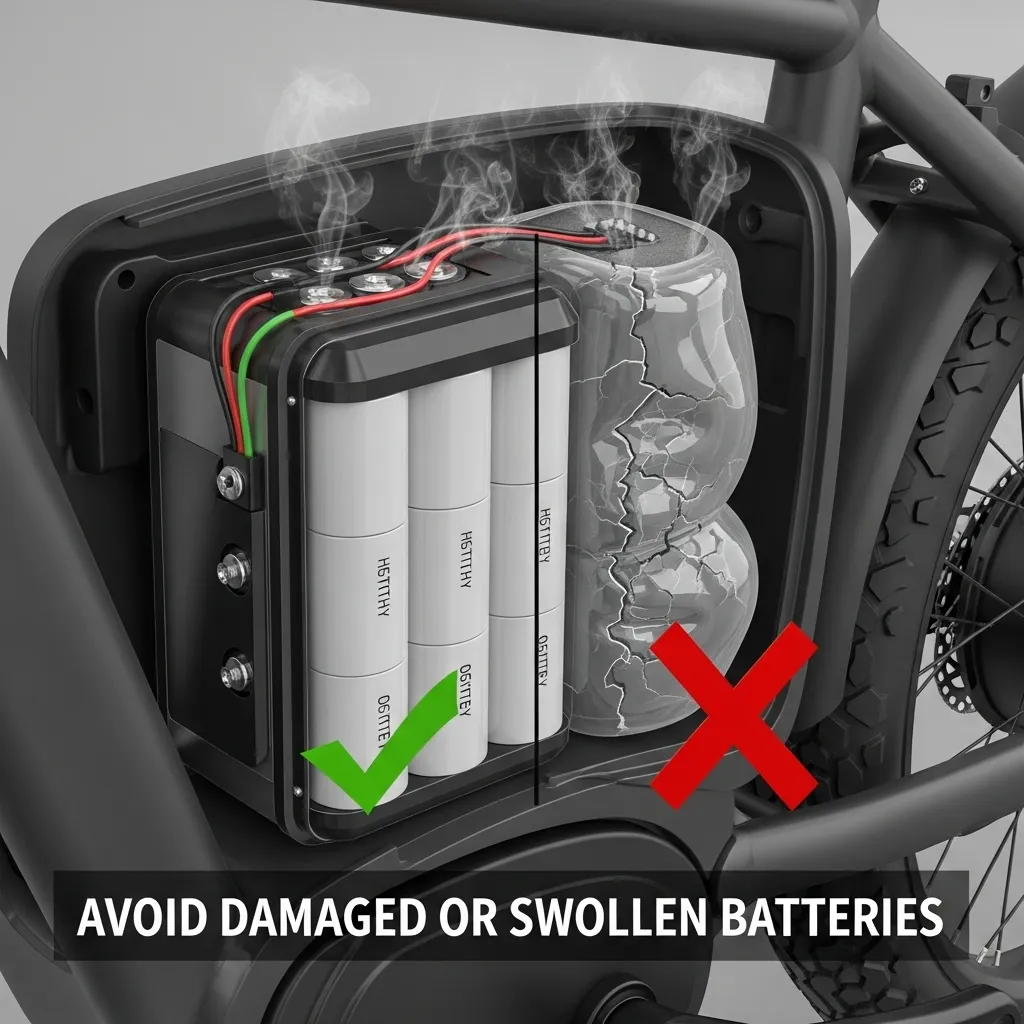
Avoid damaged or swollen batteries
A battery with physical damage needs immediate replacement. Swelling or bulging signals a serious safety risk that needs quick action. These batteries belong in a fire-safe spot outdoors, away from anything that burns. Battery repairs need professional help – certified technicians or manufacturers should handle them.
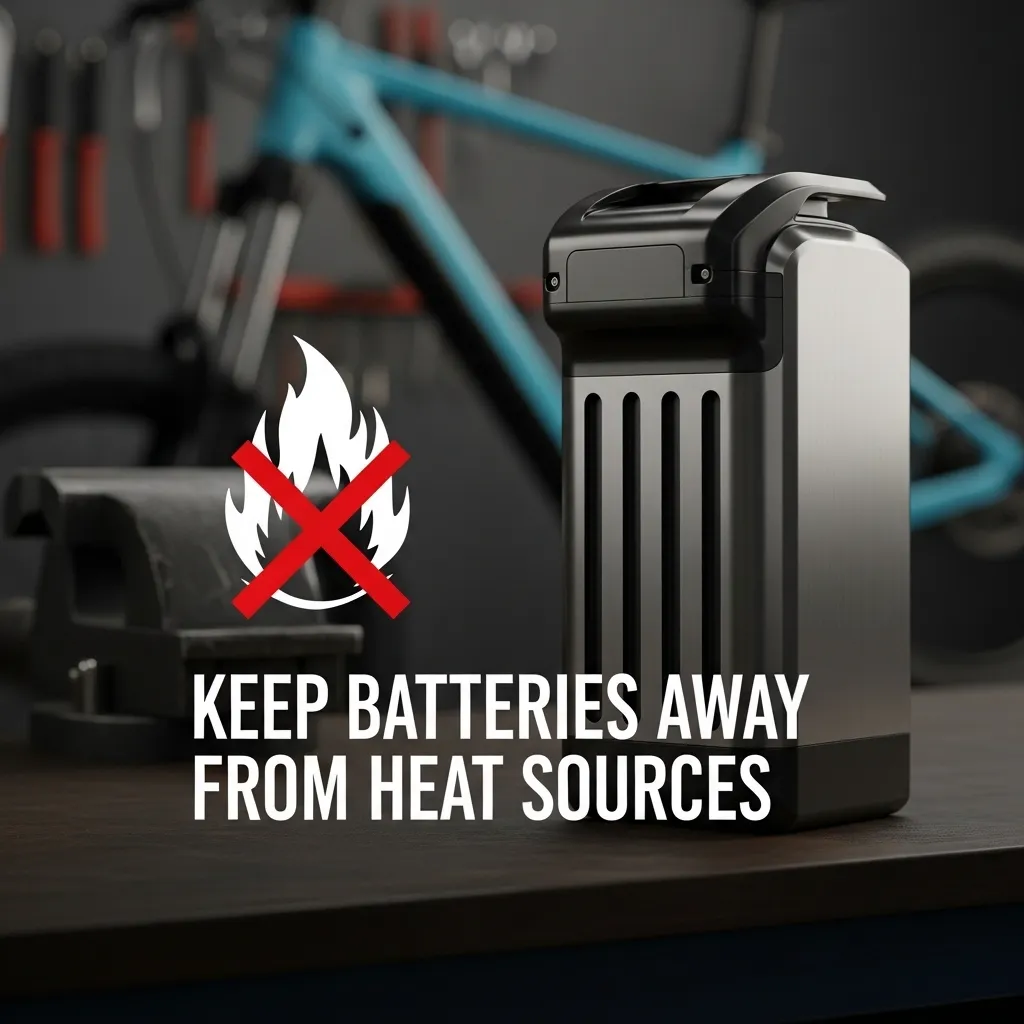
Keep batteries away from heat sources
Temperature plays a crucial role in battery safety. Your charging spot should be dry and cool, between 40°F and 70°F. Batteries suffer capacity loss from long exposure to temperatures above 105°F due to internal reactions. Hot summer days mean your battery shouldn’t stay in the car trunk, and hot batteries need cooling time before charging.
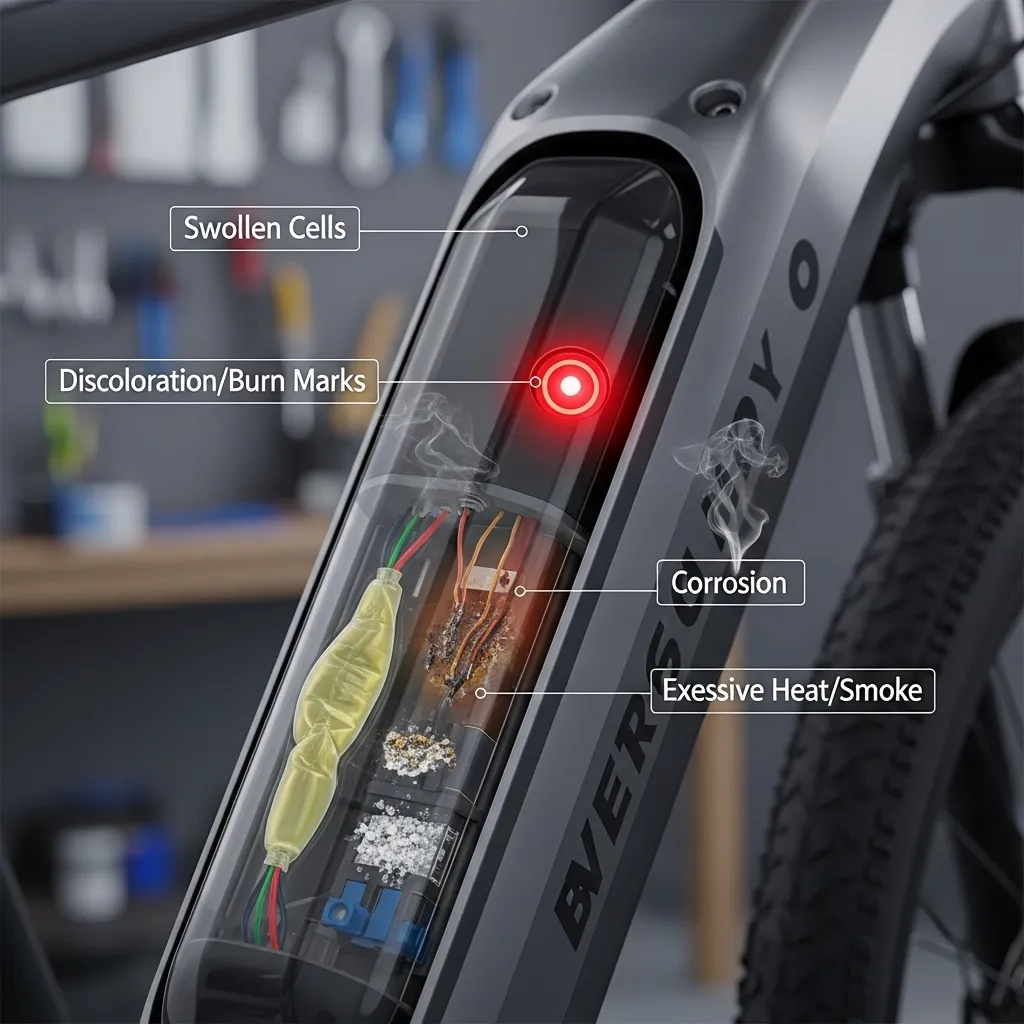
Know the signs of battery failure
Your battery needs attention if it smells strange, changes color, leaks fluid, or swells. Sizzling or popping sounds mean serious internal damage. A battery acting strangely needs quick action – move it away from flammable items if safe, then call emergency services. A Class ABC fire extinguisher adds an extra safety layer when dealing with suspicious batteries.
Pre-Ride Checks and Maintenance
Your e-bike’s safety depends on routine maintenance. A few minutes of checks before you ride can prevent accidents and make your e-bike last longer.
Inspect brakes and tire pressure
Test your brake levers before each ride to check if they respond well. You should adjust or lubricate them right away if they feel stiff or need too much force. Your stopping power decreases as brake pads wear down, replace them once they’re thinner than 1.5mm. A quick brake check could save your life.
Check for loose parts or rattles
Your bike’s bolts and connections need regular checks, especially around brake levers and knobs. Small parts can come loose after riding rough terrain. Watch for wear or damage signs in your frame and electrical connectors. Your motor might not get enough power if electrical connections are loose.
Understand how your motor engages
Your motor engagement, display functions, and control systems need testing before each ride. Make sure pedal assist works smoothly and throttle response stays consistent. Motor problems during your ride can be dangerous, especially at intersections or in traffic.
Power down when not in use
Your e-bike needs proper shutdown after each ride. Slow down first, stop completely, turn off pedal assist, switch off the display, and power down the battery last. The battery keeps draining in many e-bikes even in “off” mode without proper shutdown.
Conclusion
E-bikes offer freedom and convenience, but safety must come first. Accidents have risen sharply in recent years, yet most risks can be reduced with proper precautions. Start with the Essential E-Bike: wear a certified NTA-8776 helmet, use strong lights, and wear reflective clothing. Follow traffic laws and signal turns to stay predictable for others.
Battery care is just as crucial, always use approved chargers, avoid overcharging, and never leave batteries unattended. Check for damage to prevent the fires seen in recent news. Before every ride, inspect brakes, tire pressure, and fittings. A quick check ensures a safer trip. E-bikes bring fun and efficiency when ridden responsibly. With a few smart habits, you can enjoy every ride safely and confidently. you can read our comparison guide about E-Bike Tours: The Future of Travel in 2025 also.