Electric Bike Prices in 2025: Hidden Costs Most Buyers Miss
How much is an electric Bike Prices actually going to cost you? The average price sits around $2,000, yet the actual range might surprise you.

You’ll find entry-level electric bikes starting at $1,000, with some budget options available for $600. Mid-range commuters cost between $2,000 and $3,500, and high-end e-bikes can reach $5,000 or $6,000. The sticker price tells only part of the story. Long-term costs catch many shoppers off guard. To cite an instance, the battery – a crucial component from manufacturers like Samsung that delivers up to 90 miles of range – needs replacement every 3 to 5 years.
Let’s explore what shapes these prices, uncover the hidden costs, and help you find the best value that matches your needs. A clear understanding of the complete cost picture will help you make a smarter choice, whether you want a simple commuter or a premium ride.
E-Bike Prices Tiers in 2025: What You Get at Each Level
E-bike prices in 2025 fall into clear categories. Each price point comes with its own set of features and performance levels. Let’s look at what you get for your money in today’s e-bike market.
Entry-Level: Under $1,500: What to Expect
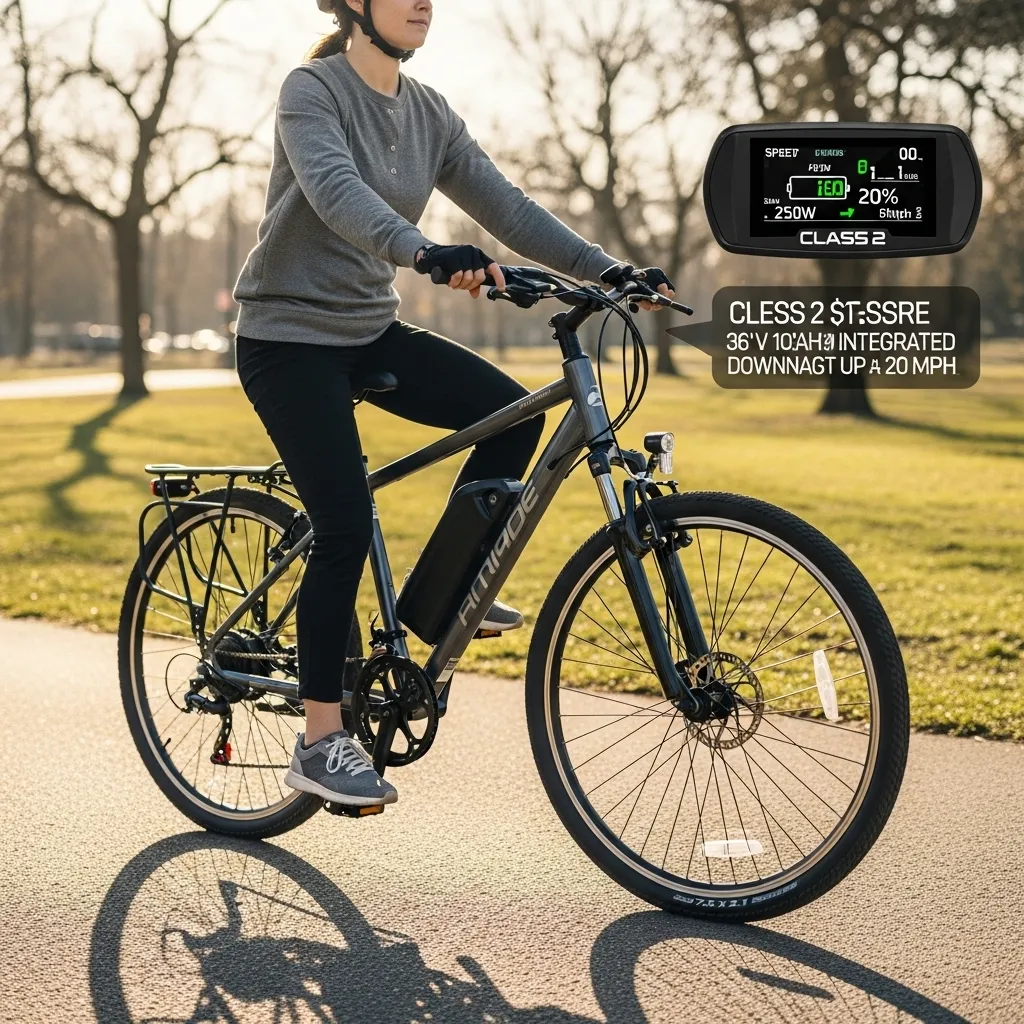
E-bikes under $1,500 come with hub motors between 250W to 500W and batteries ranging from 300-400Wh. You’ll find simple mechanical disk brakes instead of hydraulic ones, and most bikes have limited or no suspension. These bikes can go 15-30 miles on a single charge and work best for short rides on flat roads.
Manufacturers need to cut corners on motor quality, battery safety, and parts to keep prices low. Most entry-level bikes weigh between 55-70 pounds. You’ll find them sold online rather than in local bike shops.
The Ride1UP Core-5 costs $1,195 while the Lectric XP 3.0 sells for $999. The Lectric model stands out as a customer favorite.
Mid-Range: $1,500–$3,000: Best Value Zone
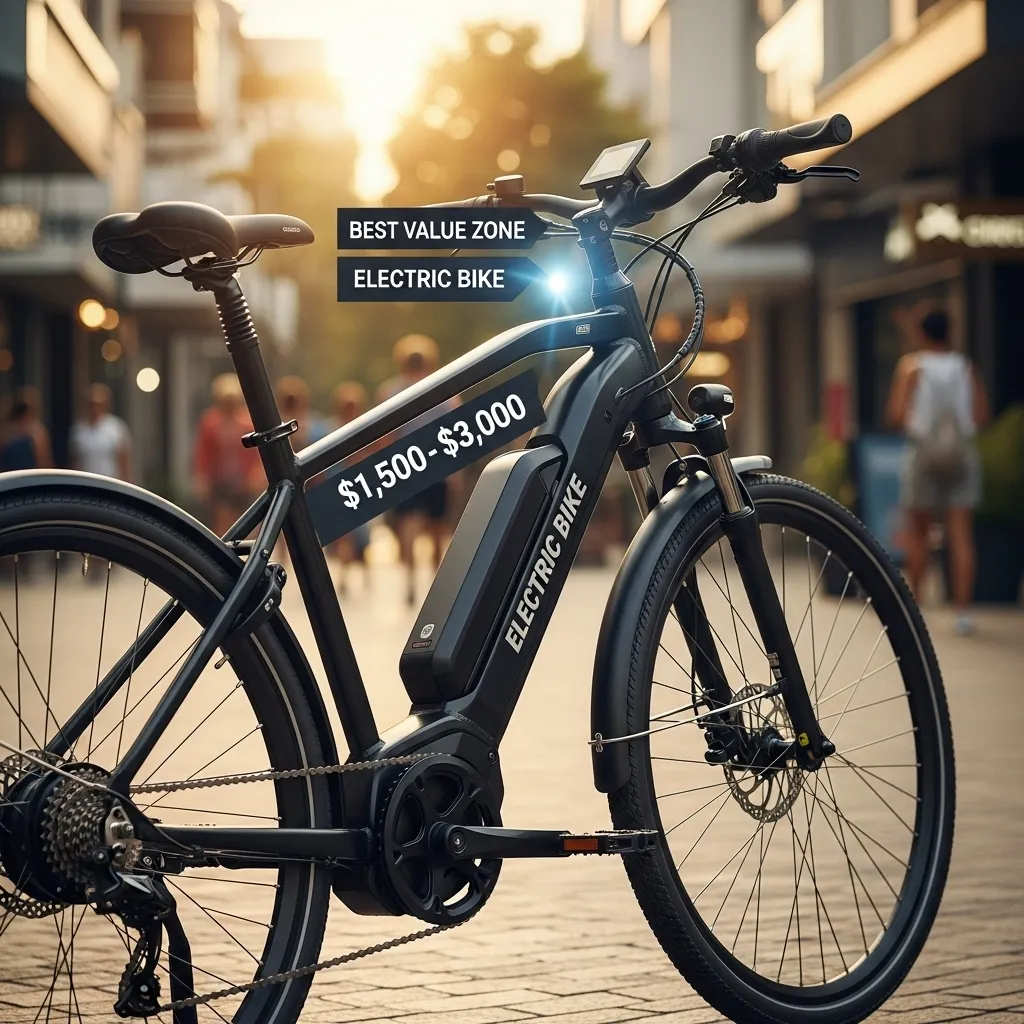
The $1,500-$3,000 range gives you the best bang for your buck. These bikes pack stronger motors (500-750W) or basic mid-drive systems, bigger batteries (400-600Wh), and better quality parts.
You get hydraulic disk brakes, possible front suspension, and sleeker frame designs. The batteries meet safety standards, and the frames last longer. These bikes can travel 30-60 miles depending on how you ride.
Consumer Reports says this price range offers the sweet spot between quality and cost. The Aventon Aventure 2 ($1,999) and REI Co-op Cycles CTY e1.1 are excellent examples of mid-range value.
Premium: $3,000+: Are They Worth It?
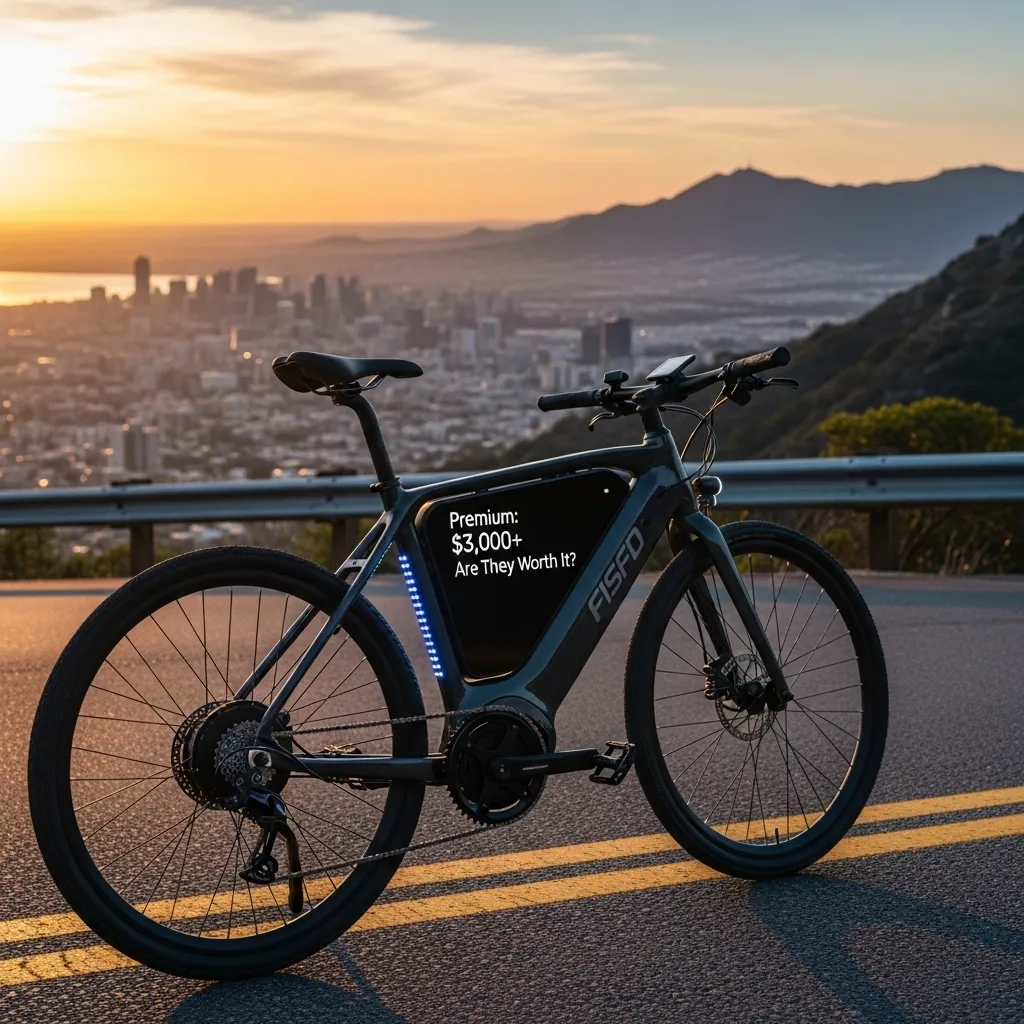
Premium e-bikes starting at $3,000 take performance to another level. They feature top-tier mid-drive motors from Bosch, Shimano, and Brose with larger built-in batteries (500-700Wh).
These bikes have hidden wiring, advanced suspension, and weigh less (40-55 pounds). You can ride up to 100 miles on one charge. They’re perfect for serious cyclists and people who commute long distances.
Models above $7,000 use carbon fiber frames and advanced features. The Specialized Turbo Vado 4.0 ($3,750) shows what premium bikes offer to dedicated riders who want more from their investment.
Hidden Costs Most Buyers Overlook
E-bike ownership comes with several unexpected expenses beyond the purchase price. Many buyers don’t realize these hidden costs that add up to a hefty sum over time. What Urban Commuters Should Know About E-Bikes is good guiding.
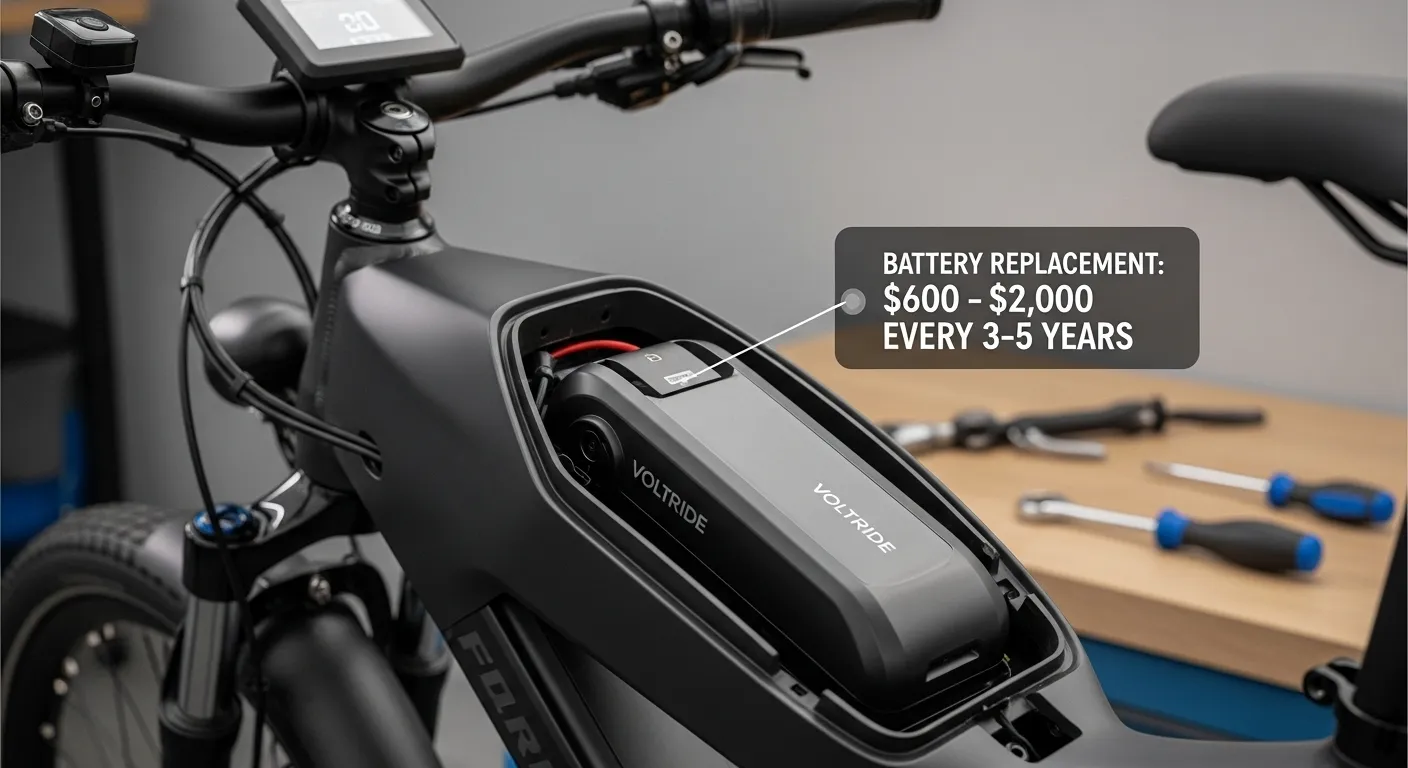
Battery Replacement: $600–$2,000 Every 3–5 Years
Battery replacement stands out as the biggest recurring cost for e-bike owners. These lithium-ion powerhouses typically cost between $400 and $900 and need replacement every 2-5 years based on how you use them. You might need to spend over $1,200 for high-capacity batteries (700+ Wh) built for long-distance rides. Your bike’s performance could suffer if you delay replacing an aging battery.
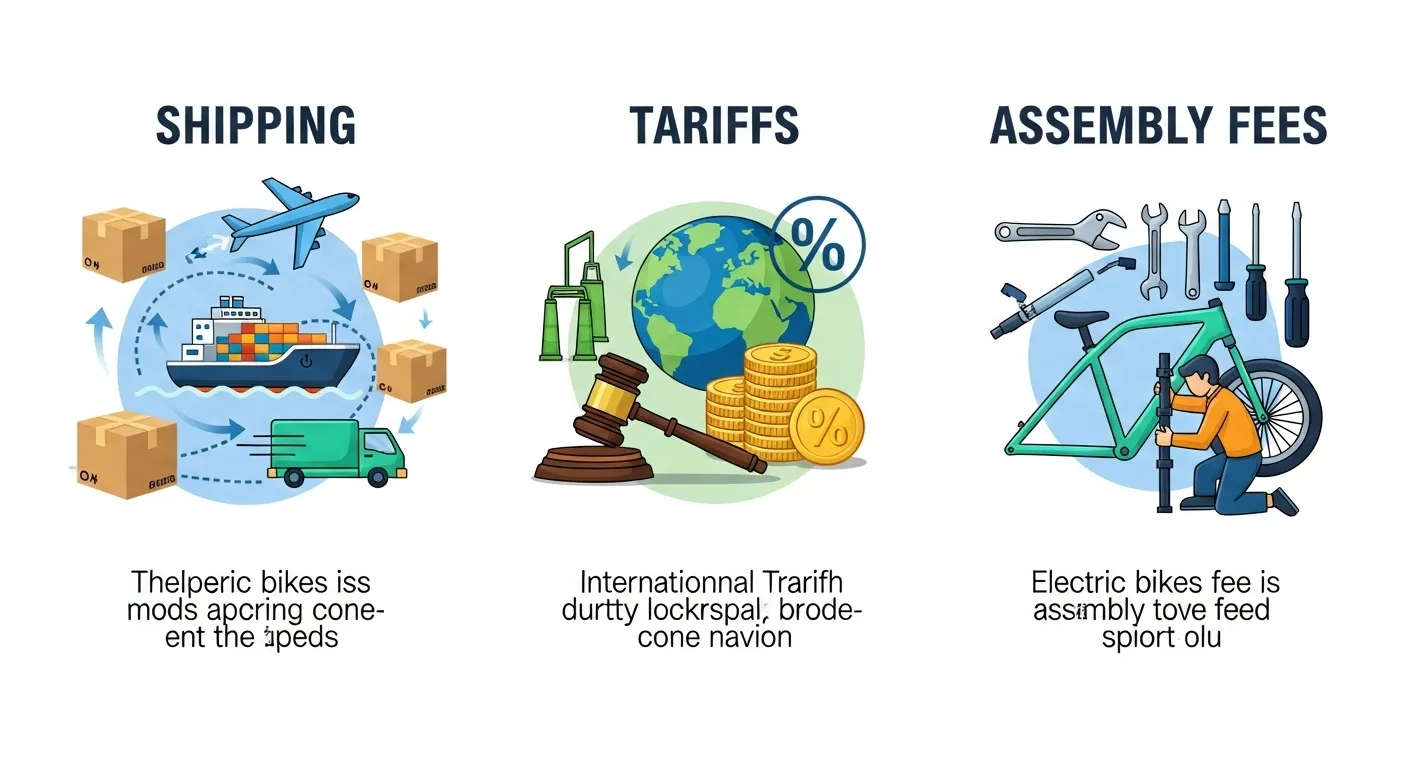
Shipping, Tariffs, and Assembly Fees
Online purchases often surprise buyers with assembly costs. Professional bike shops charge $150 to $225 for assembly, plus delivery fees. To name just one example, some shops ask for $100 to deliver within a 20-mile radius. Box disposal might cost you another $20 at certain retailers.
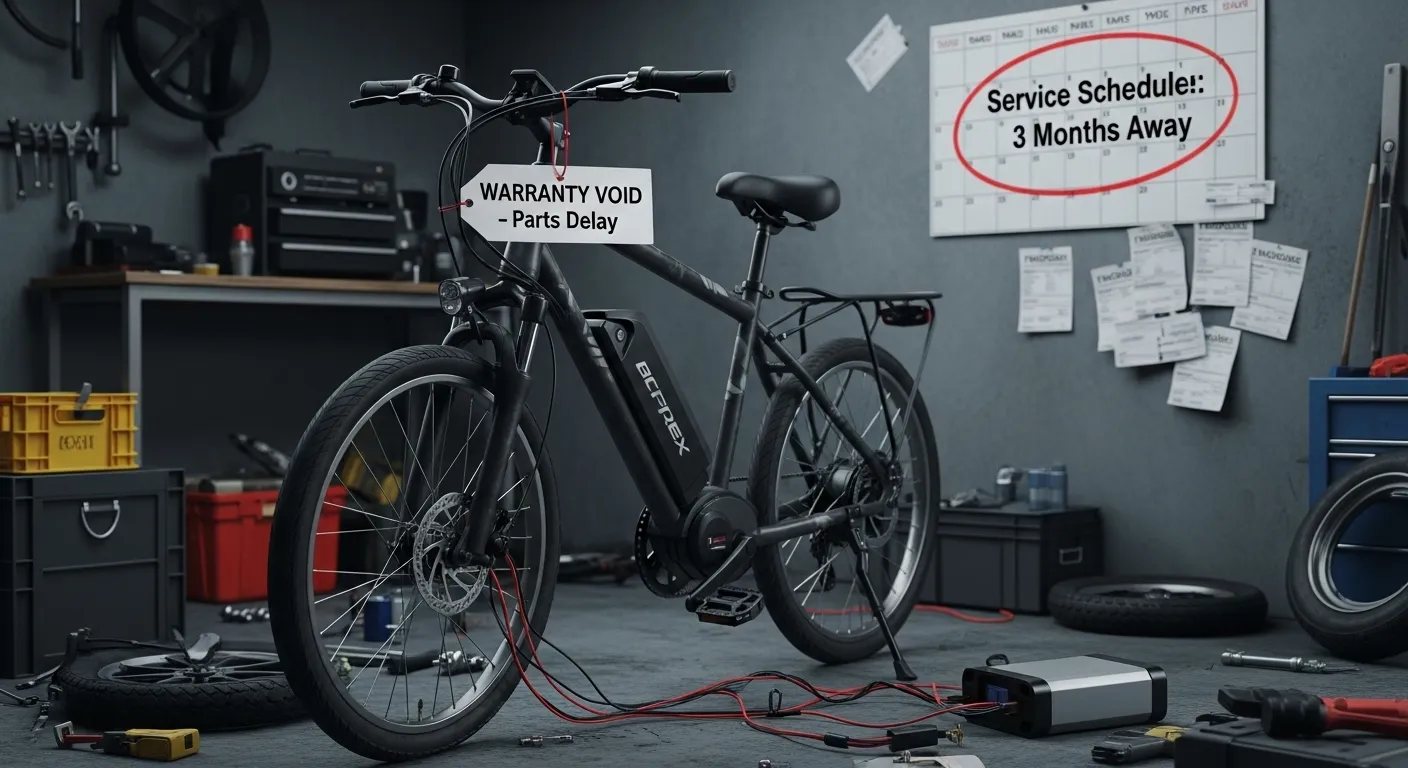
Warranty Gaps and Service Delays
E-bike warranties have notable limitations. They usually cover manufacturing defects but leave out normal wear and tear, accidents, water damage, and problems from poor maintenance. Many vital components lose coverage after a short time. The warranty doesn’t transfer to new owners, which reduces resale value. You can buy extended coverage plans, but that’s yet another expense to add to your budget.
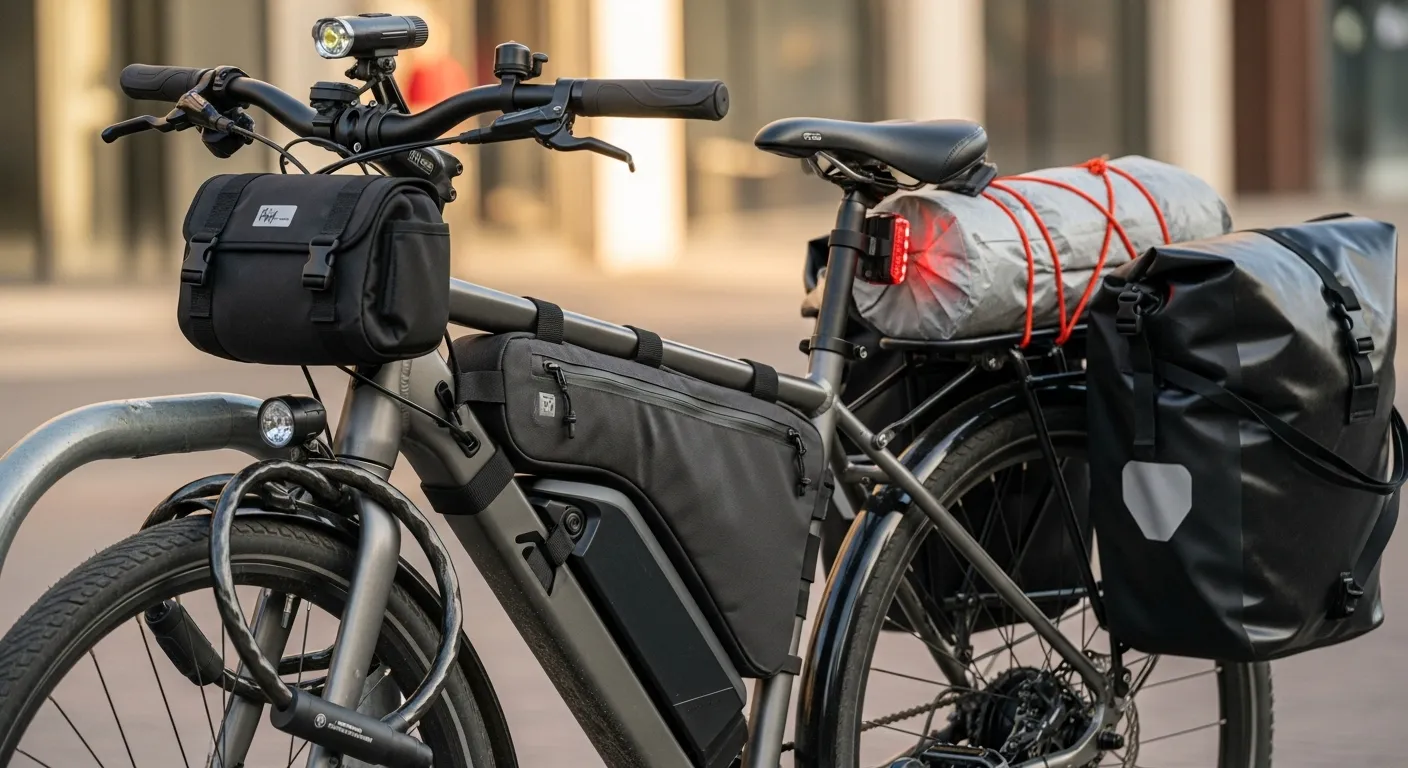
Accessory Costs: Locks, Lights, Racks
The cost of must-have accessories builds up fast. Quality locks range from $30-$150, and proper lighting systems run between $30-$70. Other common add-ons include:
Rear racks: $50-$100
Pannier bags: $40-$120
Helmet: Approximately $100
Extra charger: $20-$30
These accessories can push your total cost up by more than $300 on top of your original investment. A realistic budget needs to account for all these extra expenses to show the true cost of e-bike ownership.
How Much Does an Electric Bike Prices Over 5 Years?
The financial reality of e-bike ownership extends well beyond the price tag. My analysis reveals the actual costs owners face during their first five years of riding.
Annual Maintenance and Tune-Up Costs
A simple e-bike maintenance plan costs between $100-$200 each year. Professional tune-ups cost $100-$500 based on what needs fixing. Riders should service their bikes every 1,000 miles or 6-12 months. The average tune-up costs $200, while a complete service can cost more than $500.
Tire and Brake Pad Replacements
Your e-bike’s brake pads need replacement after 500-1,500 miles. New quality pads cost $15-$40 for each wheel. E-bike tires wear out faster because of the extra weight and speed. New tires cost $30-$70 each, and most riders replace them yearly depending on use.
Charging Costs: Real-Life Examples
E-bike charging remains surprisingly cheap. Each full charge costs just $0.05-$0.20. Monthly costs stay around $1.95, while yearly electricity bills stay under $25. The cost per mile is less than one cent. This makes e-bikes 30 times cheaper to run than gas vehicles.
How to Choose the Right E-Bike for Your Budget
You just need to think over several key factors to find an e-bike that fits both your needs and budget. Smart choices about what matters most can save you thousands as prices keep changing in 2025.
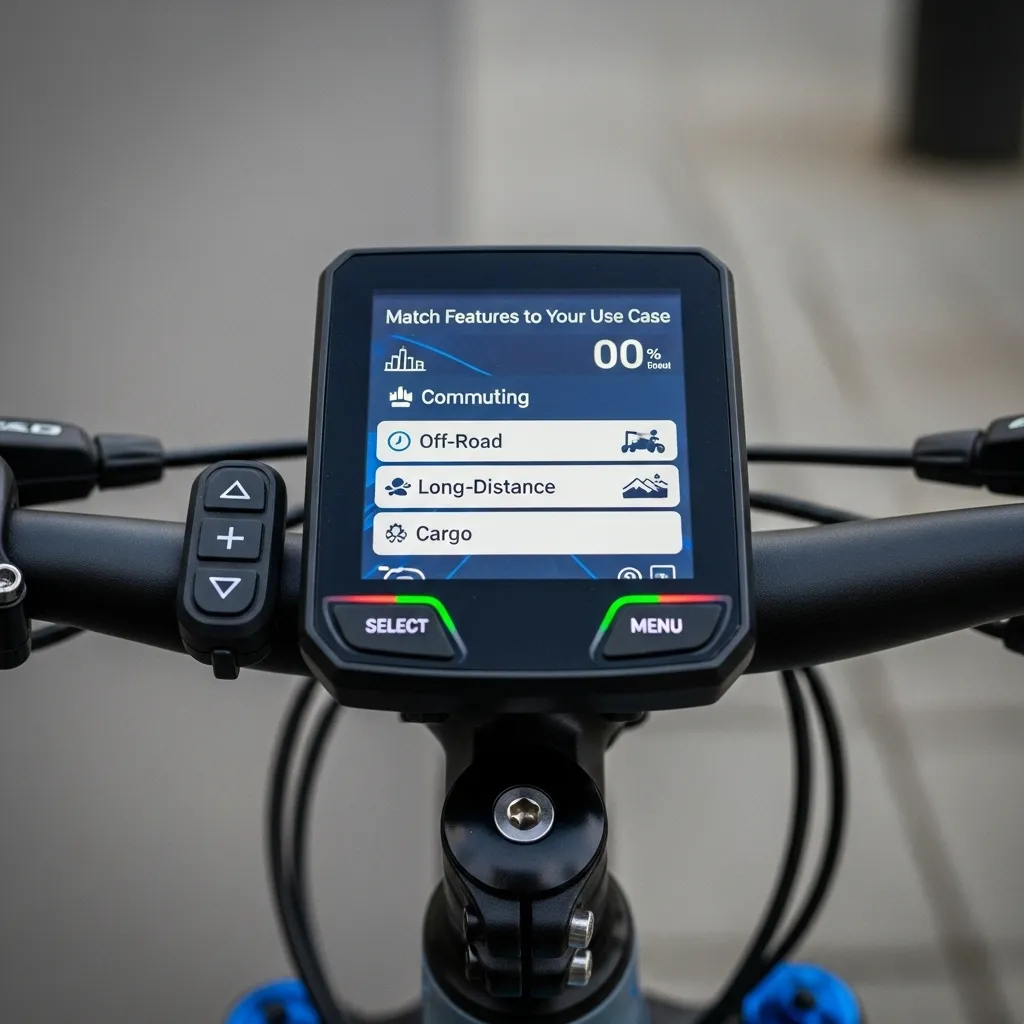
Match Features to Your Use Case
Let’s imagine how you’ll use your e-bike every day. A 350W motor works well for commuting on flat roads, while hilly areas just need 500W motors, and hauling cargo calls for 750W options. Think about what you’ll carry, maybe just lunch and a laptop, or perhaps kids and groceries? Your typical riding distance should help you pick the right battery. Bigger batteries cost more but might be worth it for longer rides.
Avoid Overpaying for Unused Tech
Mid-drive motors climb better but cost more than hub motors. You might not need them if you ride mostly on flat ground. The quality and price of built-in accessories like lights vary a lot. Many budget-friendly e-bikes give you better value than conversion kits, especially when they’re on sale.

Check Warranty and Support Before Buying
Most warranties cover defects but won’t help with normal wear or parts like chains and brake pads. Brands usually give 1-2 years of coverage for electronics and longer warranties for frames. Take a Electric Bike Test ride before you buy, and you might want to pick dealer-assembled bikes over ones you need to put together yourself. The expertise at local bike shops often makes their slightly higher prices worth it compared to big-box stores.
Conclusion
Looking beyond sticker shock reveals what you’re truly investing in with Bike Prices. The purchase price, whether $1,000 or $5,000, is just one part of a bigger financial picture. Long-term costs include battery replacements, maintenance, and accessories.
Most riders find the best value in mid-range models ($1,500–$3,000) balancing quality and cost. Your riding conditions should guide your choice, powerful motors for hills, larger batteries for long commutes. you can read our comparison guide about Electric Bike Conversion Kit Installation Guide.
Battery replacement is the biggest ongoing cost, running $600–$2,000 every few years, so durable brands or strong warranties matter.
Five-year ownership averages $7,400, far less than a car or daily public transport. Most riders break even within two years, making e-bikes a smart investment.
Always Electric Bike Test ride first. Online models are cheaper, but dealer-assembled ones with local support often offer better long-term value.
E-bikes are a major investment, but research and clear needs ensure a perfect fit for lifestyle and budget, without surprises later.