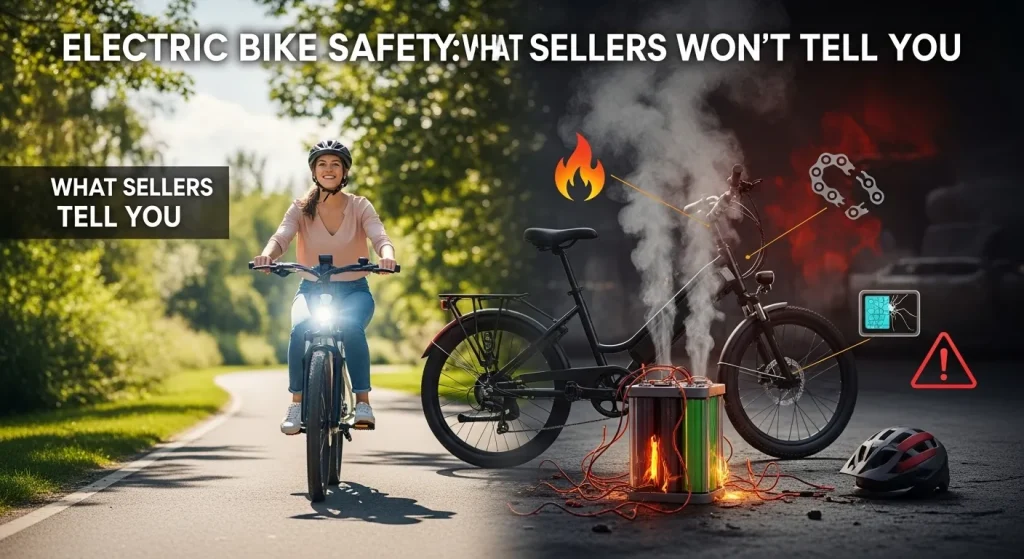
Electric Bike Safety: What Sellers Won’tTell You
People still believe many myths about Bike Safety even as these green vehicles gain popularity. Most e-bikes match regular bike speeds and their motors stop working at 20 mph. Research shows e-bikes can actually move slower than regular bikes based on the terrain and how much power the rider uses.
Safety boils down to how people ride these bikes. The rider’s behavior determines how safe an e-bike becomes. Most states let you ride without a license or insurance. This doesn’t mean you should skip safety gear or ignore basic precautions. The bikes come with motor assist features that make handling the extra weight easier for riders.
This piece aims to clear up common e-bike safety problems and bust widespread myths. You’ll learn crucial e-bike facts that dealers might not highlight. These bikes help improve fitness and strength. They’re also a quick way to get around and serve as a green alternative to cars.
Are e-bikes Really more Dangerous than Regular Bikes?
The safety picture of electric bikes becomes clearer when we look at the numbers. E-bike injuries have doubled annually since 2017, with 23,493 cases reported in 2022. The sales numbers tell a similar story – jumping from 250,000 to over a million units yearly between 2018-2022.
Injury Data Reveals Serious Patterns
Recent injury data shows worrying patterns. E-bike riders’ risk of internal injuries stands at 17% compared to traditional cyclists’ 7.5%. E-bike accidents are three times more likely to involve pedestrian collisions.
Rider Behavior Makes a Big Difference
Rider behavior adds to these concerns. E-bike riders’ helmet usage lags at 43% while 52% of conventional riders wear protection. The data shows that 7% of e-bike riders had alcohol in their system during accidents, compared to 4% of traditional cyclists.
Fewer Crashes, But More Severe Outcomes
Notwithstanding that, research suggests e-bikes have fewer accidents per mile than regular bikes. This comes with a crucial warning – when e-bike accidents happen, they tend to cause more serious injuries or deaths because of higher speeds.
Safety Gear and Awareness Are Essential
These risk factors highlight the need to choose proper safety gear and follow electric bike safety guidelines carefully.
Common Electric Bike Safety Myths Debunked
These days, people have quite a few wrong ideas about e-bikes that affect how they view their safety and benefits.
E-Bikes Are Too Fast to Be Safe
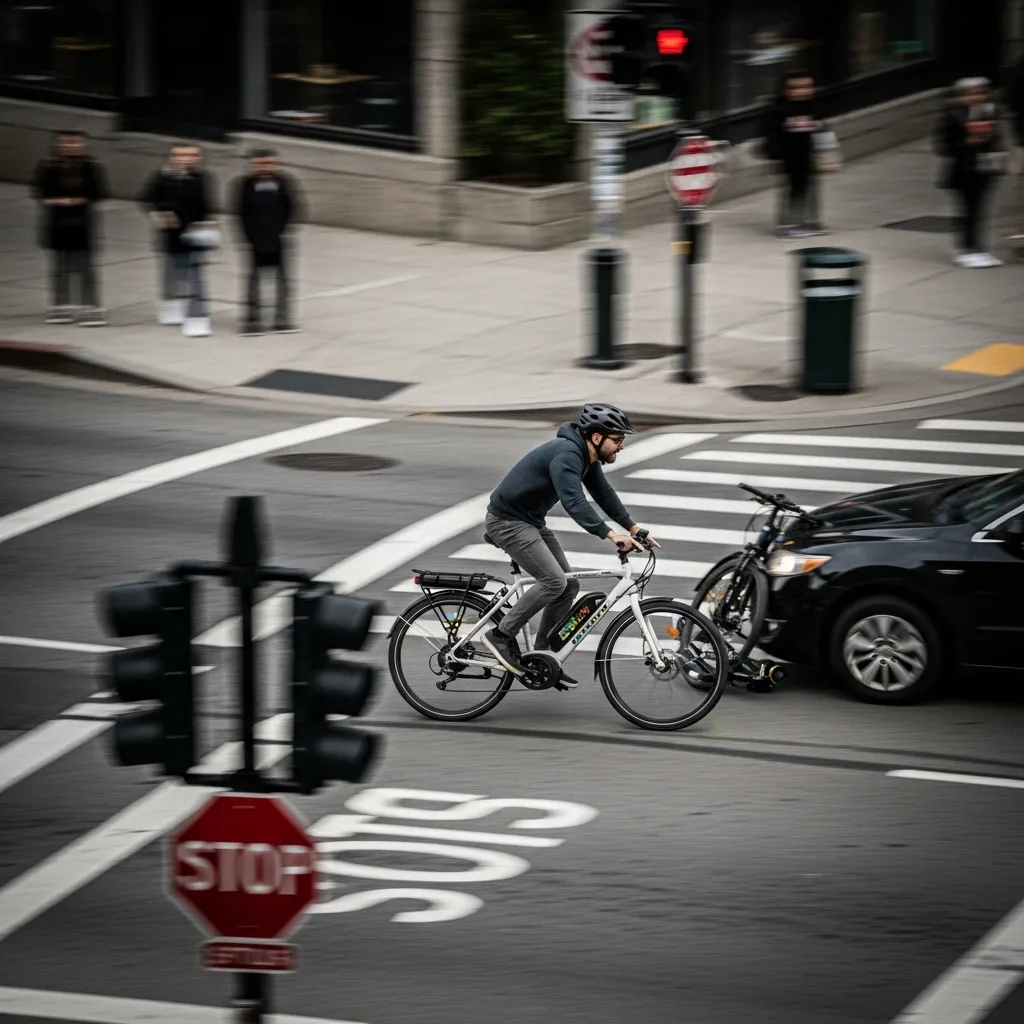
Most e-bikes aren’t speed demons at all. Class 1 e-bikes stop helping you pedal at 20 mph, and research shows they move just 2-3 mph faster than regular bikes on flat ground. Sometimes they might even go slower than normal bikes, depending on the situation.
E-Bike Riders Are Reckless
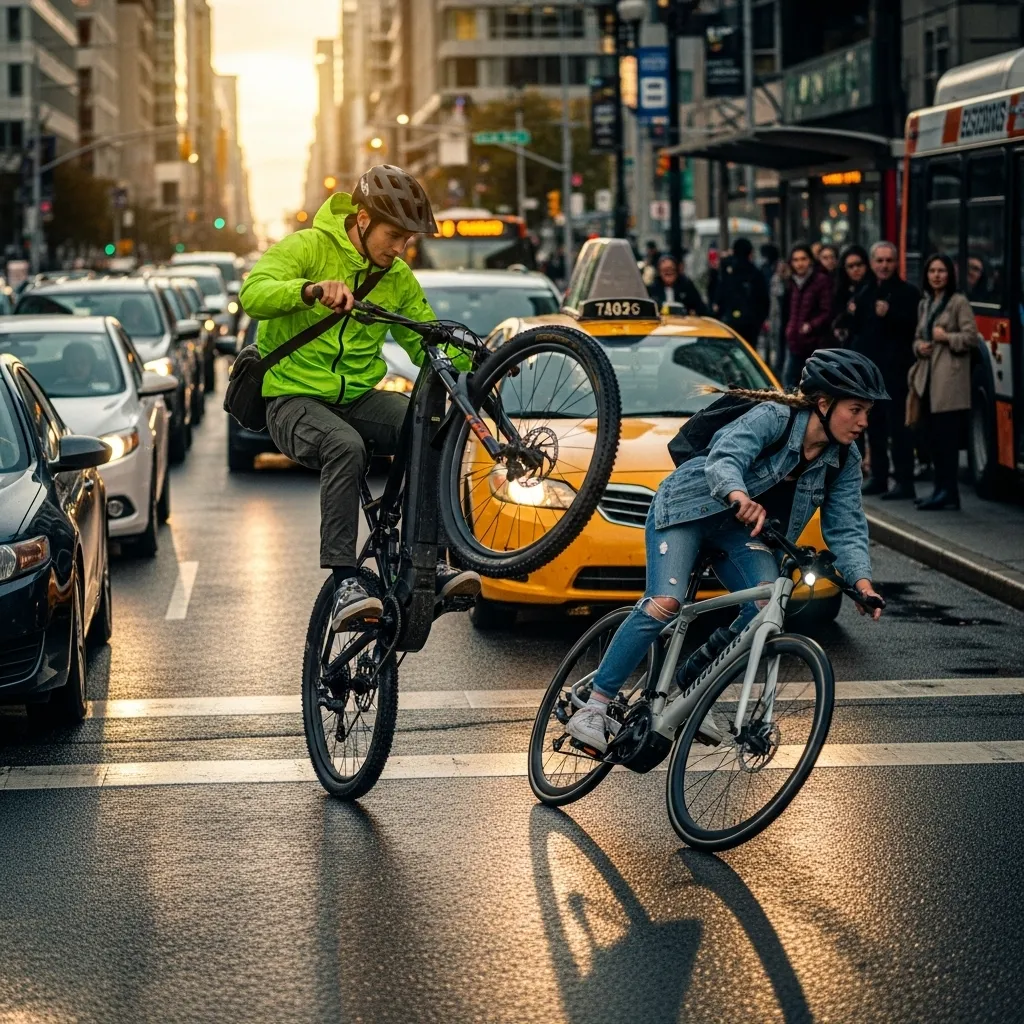
People think e-bike riders are reckless, but there’s no proof to back this up. No studies show that e-bikes make roads less safe. Just like regular cyclists, e-bike riders follow traffic rules and care about safety.
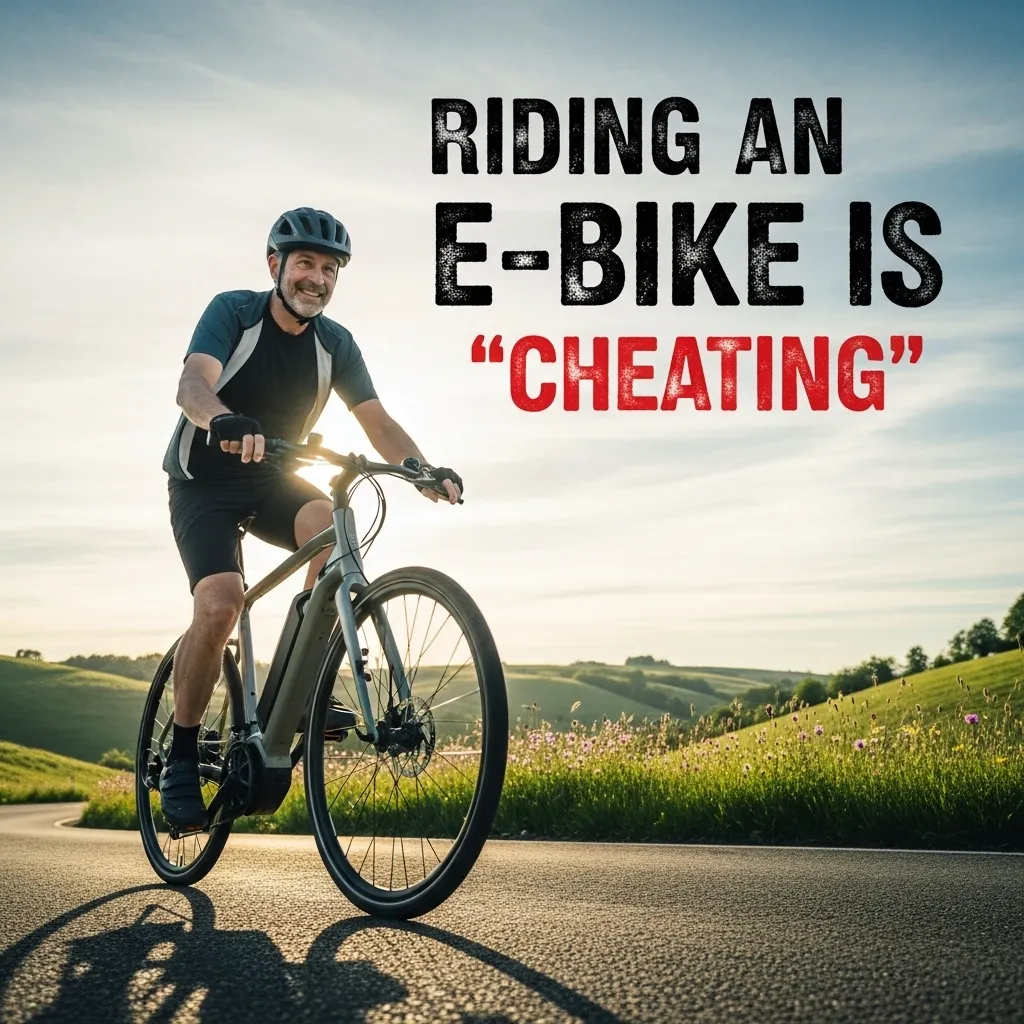
Riding an E-Bike Is “Cheating”
The idea that riding an e-bike is “cheating” doesn’t hold up. E-bike riders are just as active – and sometimes more so – than regular cyclists. They clock in at 4,463 MET minutes per week compared to 4,085 for conventional riders. Professor Chris Oliver points out that “exercise on an e-bike is comparable to normal cycling”.
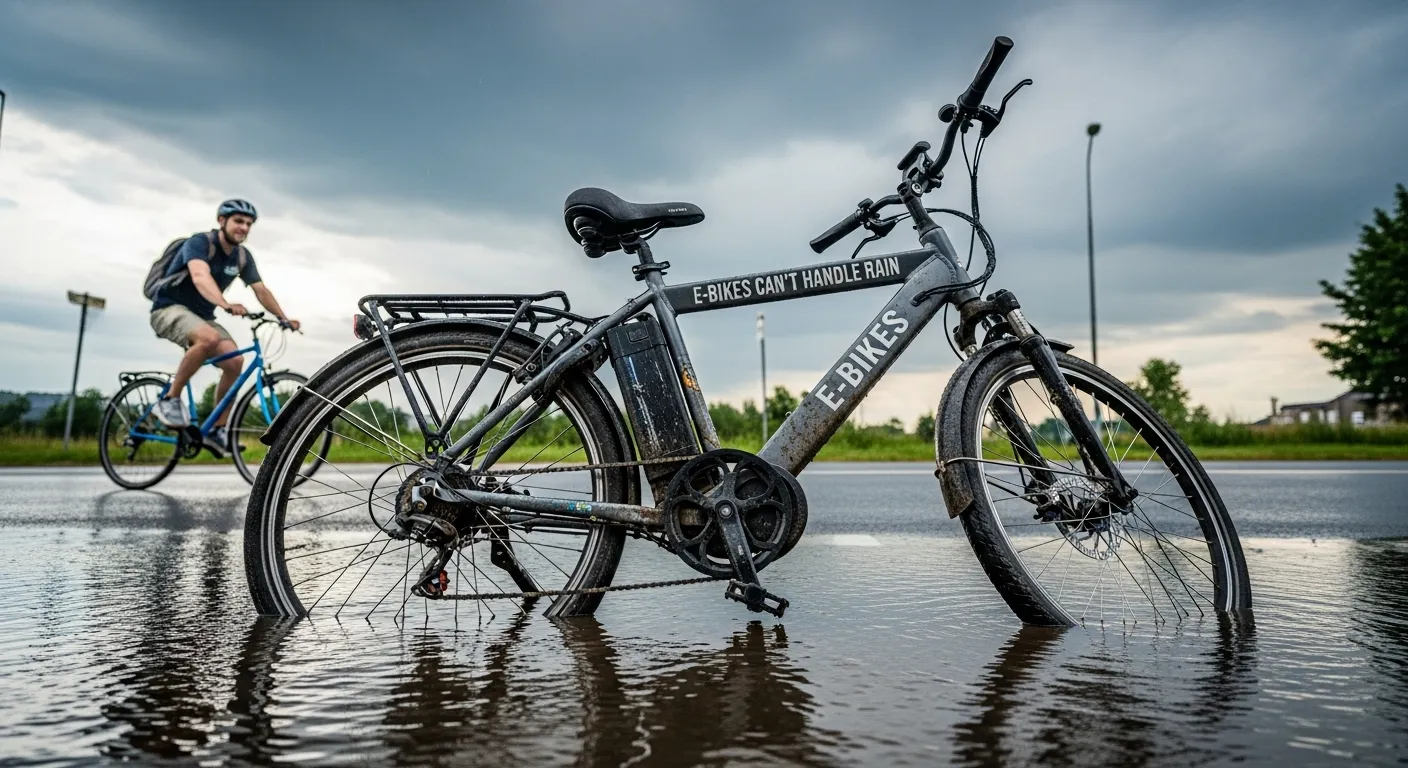
E-Bikes Can’t Handle Rain
Rain isn’t a problem for e-bikes. Their electrical parts can handle wet weather just fine, so you can ride through rain and puddles safely. The only thing to avoid is dunking the motor or battery in deep water.
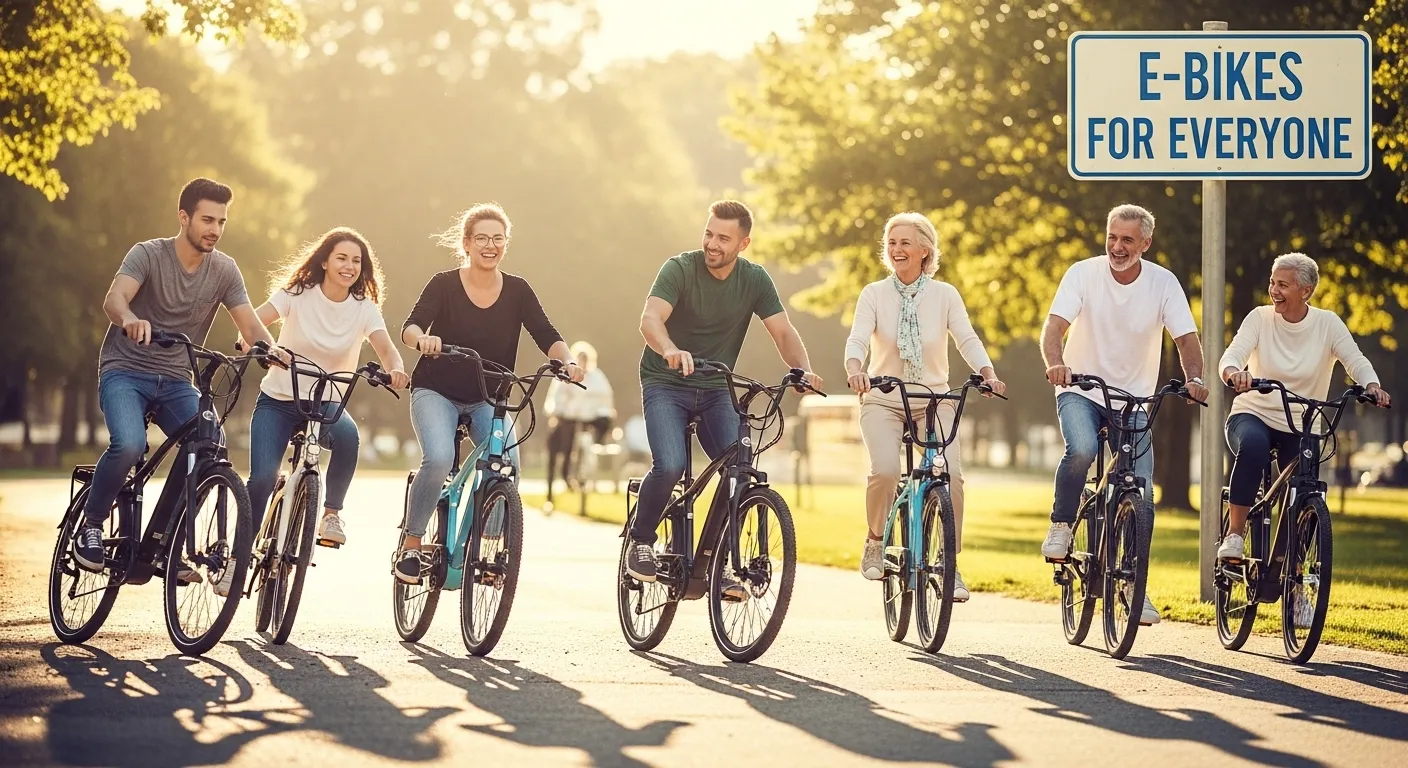
E-Bikes Are Only for Seniors
E-bikes work great for seniors, but they’re not just for older folks. These bikes help all kinds of people get around, no matter their age or fitness level.
What Sellers Don’t tell you About Electric Bike Safety
Salespeople love to talk about how fun and convenient e-bikes are. They’ll tell you all about being eco-friendly but rarely mention vital safety factors that could change your riding experience.
Different Handling Than Regular Bikes
Your e-bike won’t handle like a regular bicycle – something dealers don’t tell you upfront. The extra weight and power need time to master, especially around corners or during quick stops. New riders often don’t realize how much practice they’ll need.
Battery Safety Risks Often Overlooked
Battery safety deserves more attention than it gets. Sales staff are happy to discuss range and charging speeds but stay quiet about proper storage and fire hazards from damaged batteries. Your e-bike could become dangerous if you store it in hot places or leave it charging without supervision.
E-Bikes Require Specialized Maintenance
E-bikes need special care – a fact many sellers downplay. These bikes require professional service for their electrical parts. This adds substantially to your ownership costs and affects your safety.
Insurance Gaps You Might Not Expect
Insurance is another topic missing from most sales pitches. Your home insurance might not protect you if your e-bike gets stolen or you have an accident. The whole ordeal could leave you with unexpected costs.
Local Rules and Regulations Often Ignored
Local rules matter more than you’d think. Each area has its own laws about where different e-bike classes can go. This information helps you ride safely and avoid tickets, but dealers rarely explain it.
Do Your Own Research
Take time to research these safety issues on your own. Don’t just trust what you hear during the sales pitch.
Conclusion
E-bikes combine convenience, exercise, and eco-friendly transport, but they also require proper safety awareness. Their higher speed and weight create more momentum, which explains why crashes can be more serious even if less frequent.
Your safety depends on learning your e-bike’s handling, wearing the right gear, and riding responsibly. Staying sober and respecting pedestrian areas keeps everyone safe.Also you can read our comparison guide about E-Bike Battery Replacement.
E-bikes aren’t “cheating” they offer real exercise benefits for riders of all ages and perform well in most weather conditions with proper care.
Before buying, ask about handling, battery safety, maintenance, insurance, and local laws instead of relying only on sales pitches. With the right preparation, you’ll enjoy safer, smarter, and more rewarding rides.