Electric Bike Test: My 6-Month Health Journey
Cycling for health transformed my life in ways I never expected. Six months ago, I was stuck in a fitness rut, tired of failed gym memberships and workout plans that never stuck. However, everything changed when I decided to try an electric bike as my last-ditch effort to improve my wellbeing.
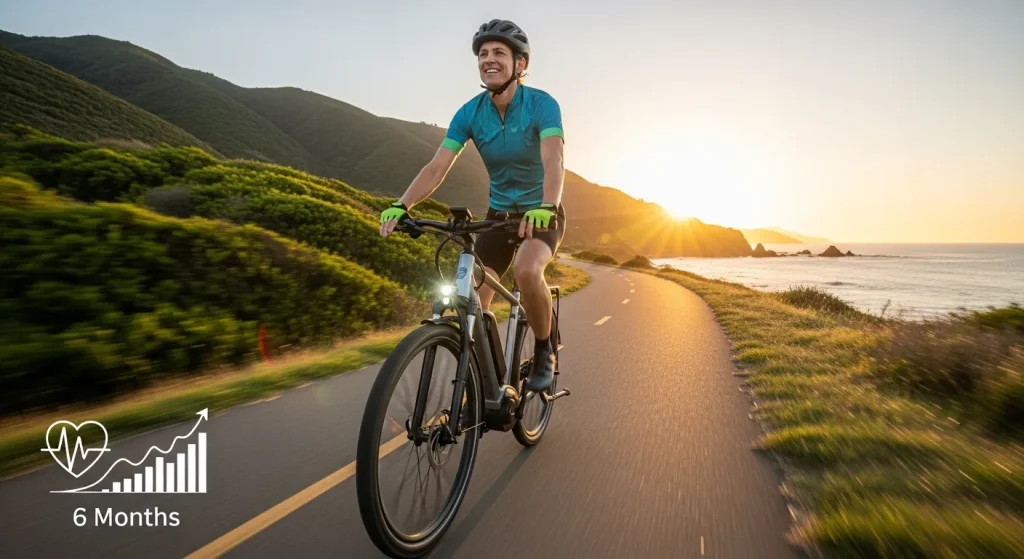
Surprisingly, what started as a convenient alternative to driving became the cornerstone of my fitness routine. After just half a year of regular e-bike rides, I’ve lost weight, gained energy, and experienced mental clarity that had previously seemed impossible. Beyond the physical benefits, I discovered a sustainable activity that I genuinely look forward to each day.
This article documents my entire six-month journey with an electric bike, from choosing the right model to overcoming riding challenges in various conditions. Importantly, I’ll share the measurable health improvements that convinced me e-biking isn’t just a trend but a legitimate fitness solution. If you’ve struggled to find an exercise routine that sticks, my experience might finally offer you a path forward.
Why I Chose an Electric Bike for My Health
Deciding to invest in an electric bike was a turning point in my health journey. After years of stop-start exercise routines, I needed something sustainable that would fit into my daily life rather than requiring special time commitments. How to Safely Clean Your Electric Bike is very informative.
My Fitness Goals in Early 2025
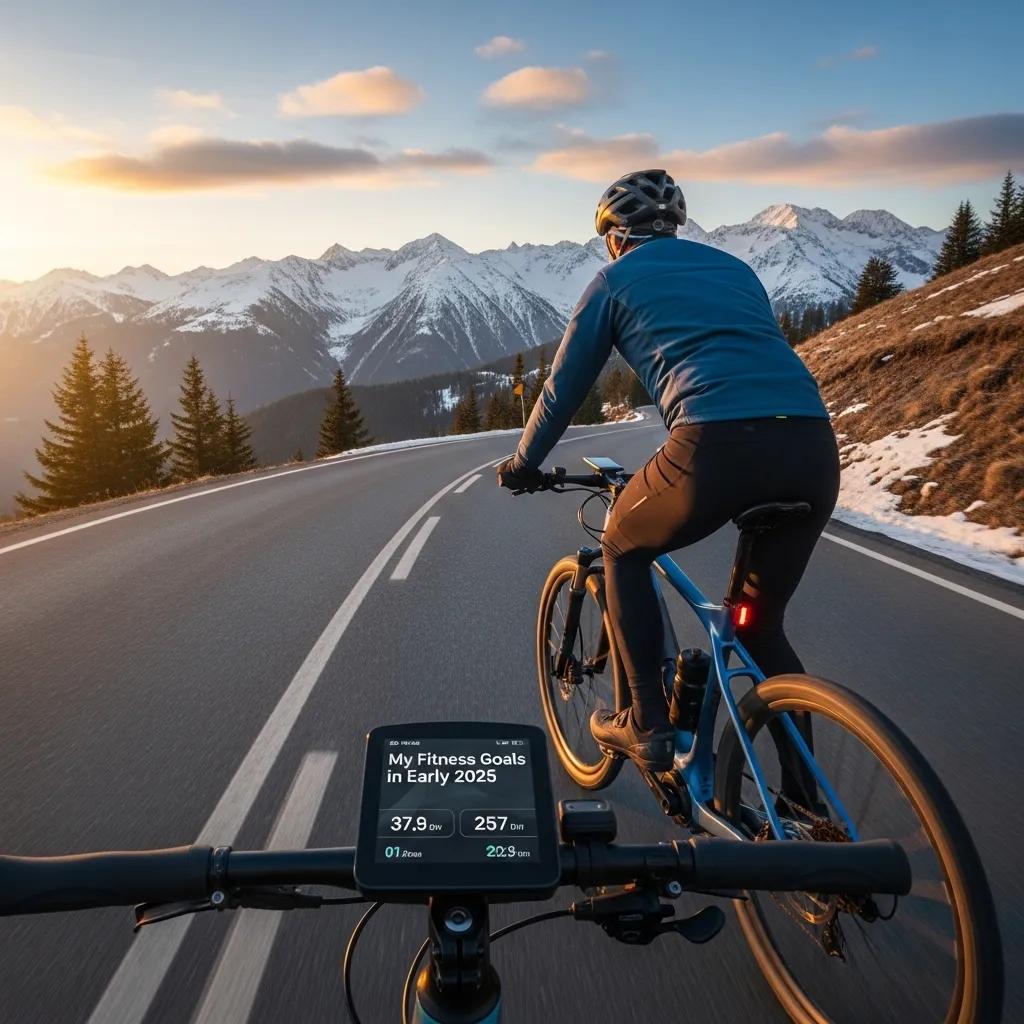
At the beginning of this year, I set clear objectives for my health. Unlike previous years where I made vague promises to “get in shape,” I established specific targets. My primary goal was improving cardiovascular health through regular exercise. Additionally, I wanted an activity that would help with gradual weight loss while being gentle on my joints.
Mental wellbeing was equally important, I needed something that would reduce stress and improve my mood. The pandemic years had taken their toll, and I was searching for an activity that could get me outdoors more frequently. Studies show that regular cycling reduces anxiety and stress while promoting greater happiness. Furthermore, I knew that outdoor exercise would provide additional mental health benefits beyond just the physical activity.
Why Traditional Bikes Didn’t Work for Me
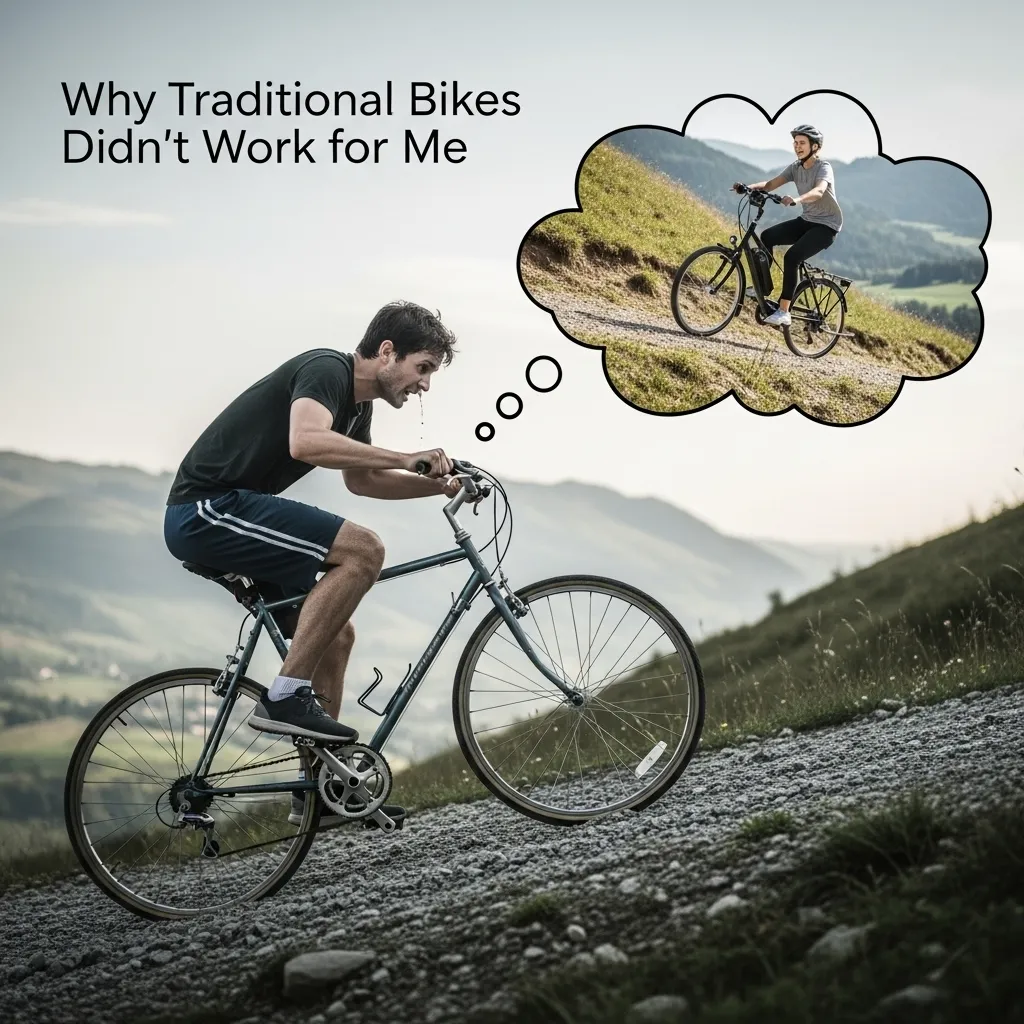
Though I tried conventional cycling previously, several obstacles prevented it from becoming a consistent habit. First, the hills in my neighborhood were discouraging, I’d often end up walking my bike up steeper inclines, breaking my exercise rhythm. Second, the physical exertion left me sweaty and uncomfortable when commuting to work or running errands.
Perhaps most significantly, joint pain became a barrier. Traditional cycling strained my knees during longer rides, especially when climbing hills. Unlike younger riders, my body needed something gentler that wouldn’t cause discomfort that deterred me from riding again the next day.
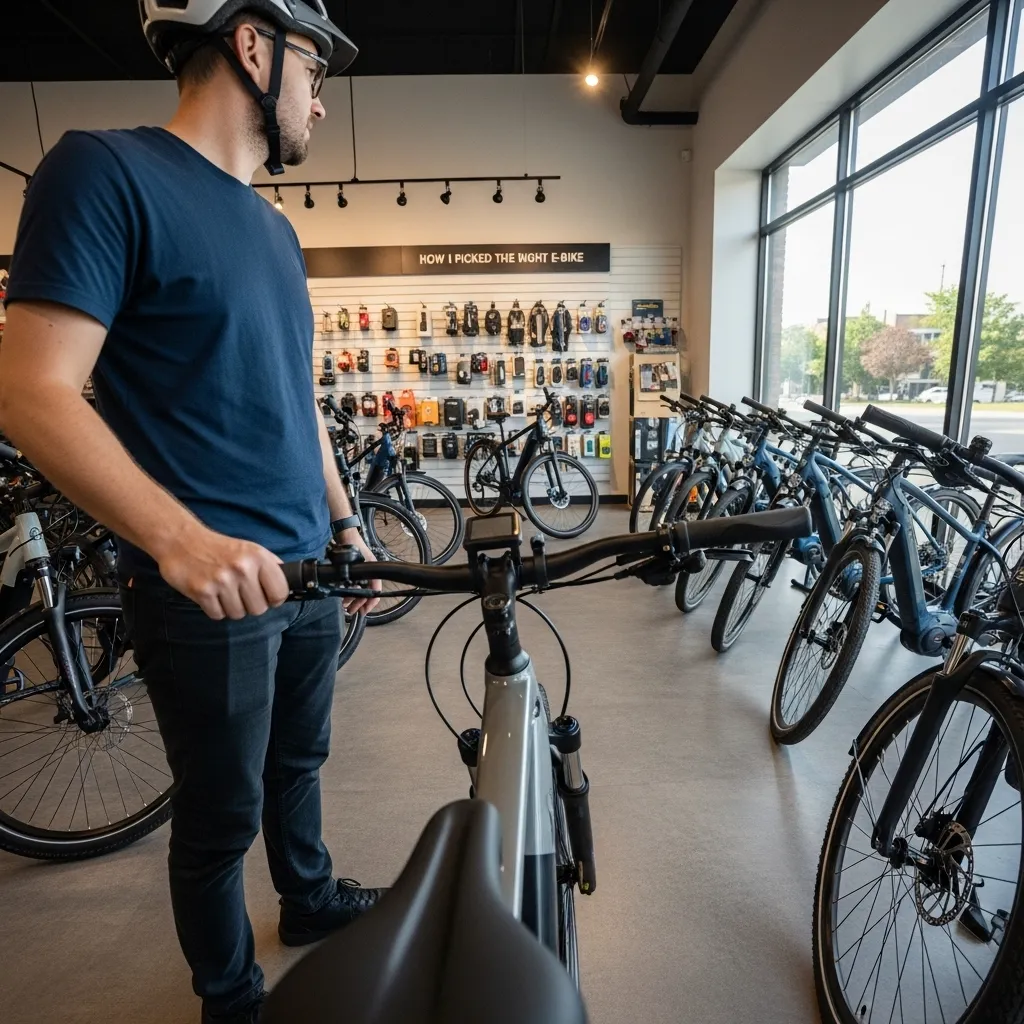
How I Picked the Right E-Bike
After researching extensively, I discovered that e-bike riders are twice as likely as traditional cyclists to use their bikes at least once weekly. This statistic convinced me that electric assistance might be the consistency key I was missing.
I focused primarily on finding a bike with adjustable assistance levels. This feature allows riders to control workout intensity, higher levels for recovery days or difficult terrain, lower levels when seeking more exercise. I also prioritized battery range since research shows e-cyclists typically ride longer distances than traditional cyclists.
Comfort features were another consideration since I planned for daily use. Studies indicate e-bike riders reach 94% of the average heart rate they achieve on non-assisted bikes, confirming I could still get an effective workout with assistance. Consequently, I selected a Class 1 e-bike offering pedal assistance up to 20 mph, these models have proven most effective at promoting physical activity while still requiring effort from the rider.
The Bike I Used: Specs, Features, and Setup
After careful research, I settled on the Lectric XP4 for my health transformation journey. This bike represents the sweet spot between affordability and functionality for someone committed to daily riding.
Model and Price Point
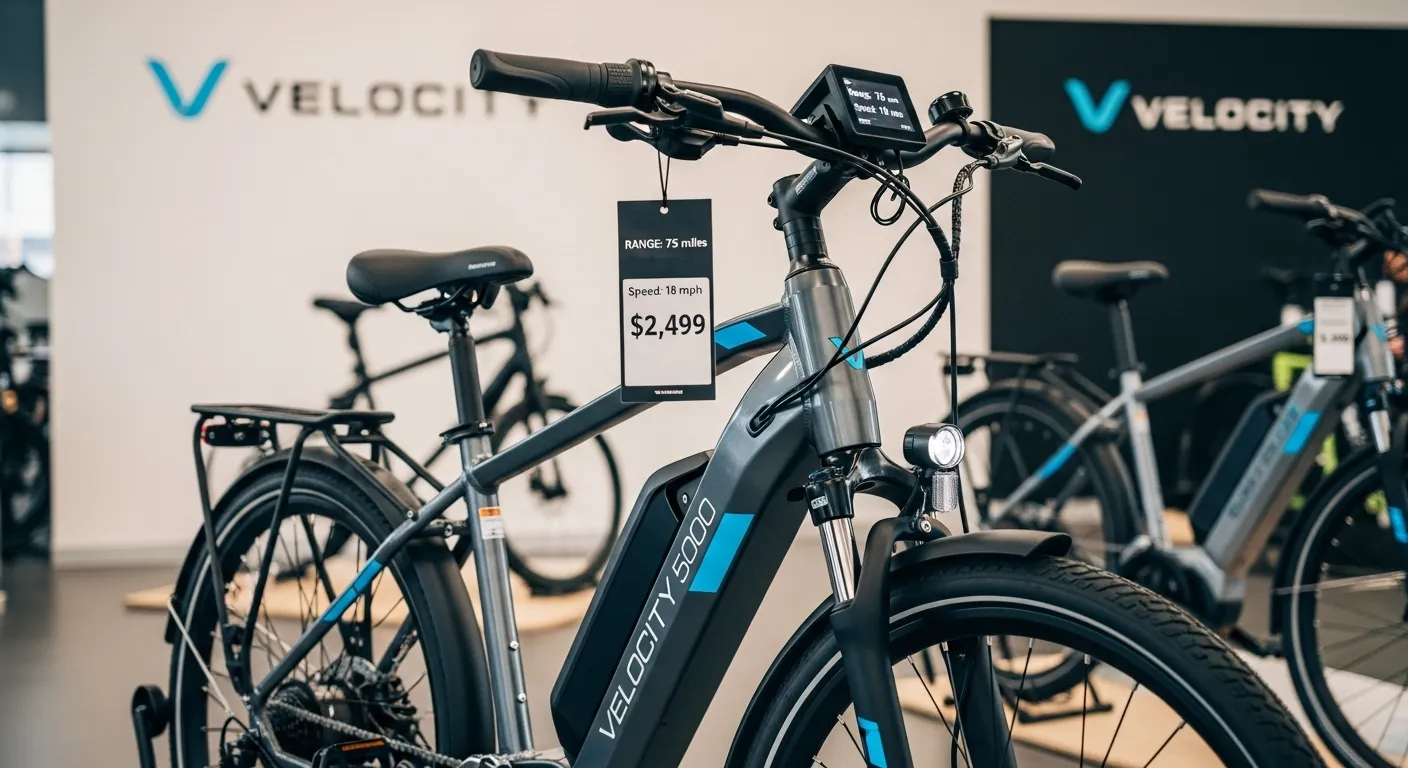
I purchased the Lectric XP4 with the standard 500W motor configuration, priced at USD 999.00. This positioned it in the entry-level segment of quality e-bikes, as most reliable models range between USD 1500.00 and USD 3500.00. Despite its modest price, the bike came equipped with features typically found on more expensive models, including hydraulic disk brakes and a rear rack rated for 150 pounds.
Motor Power and Battery Range
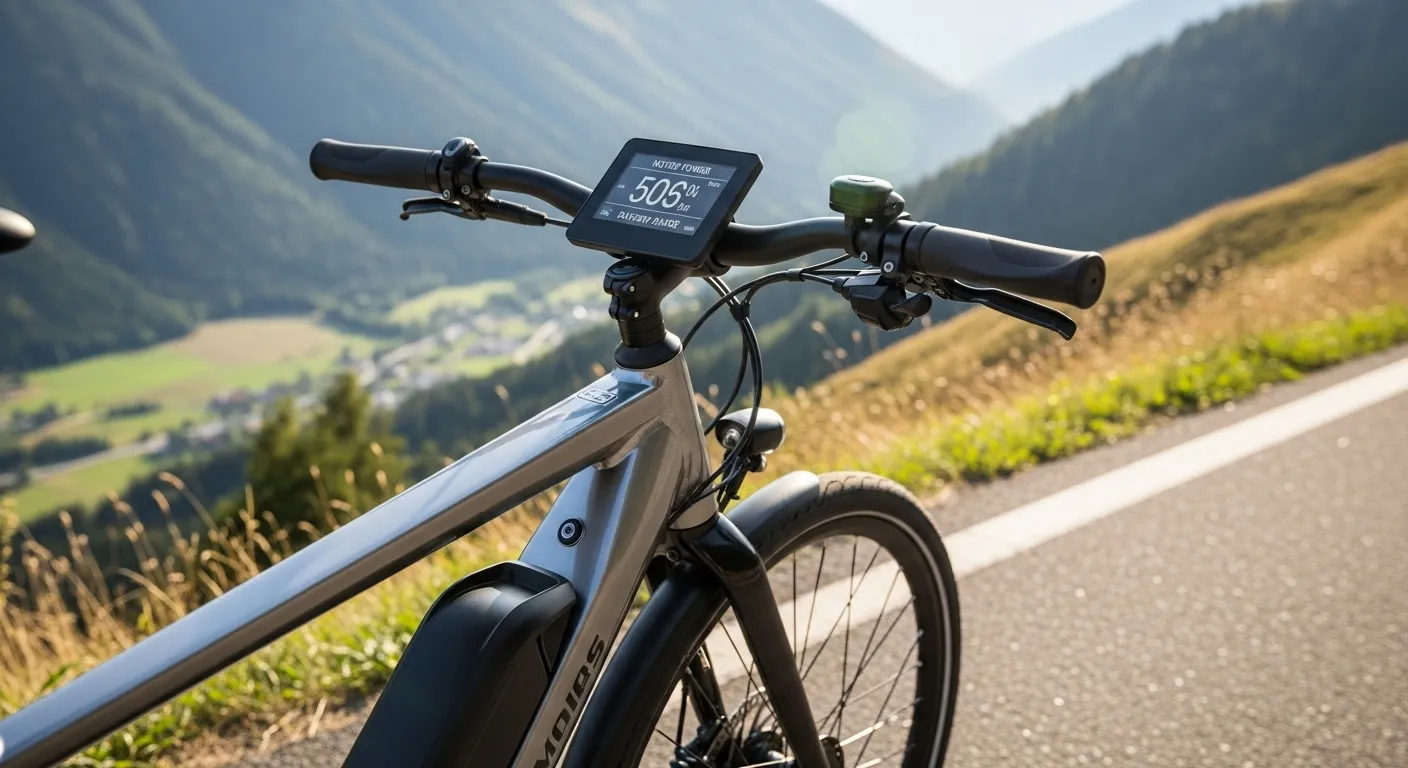
The standard 500W rear hub motor delivers 55Nm of torque, providing sufficient power for my daily needs while staying within legal limits. In fact, UK and EU regulations restrict to 250W with a 15.5mph assistance cap, although US regulations are more generous.
My bike’s 48V battery provides approximately 50 miles of range per charge, more than adequate for my daily 12-mile round-trip commute with enough power left for weekend recreational rides. Moreover, the bike features both torque and cadence sensors, allowing me to choose between a more natural pedaling feel or easier engagement depending on my energy levels.
Comfort and Build Quality
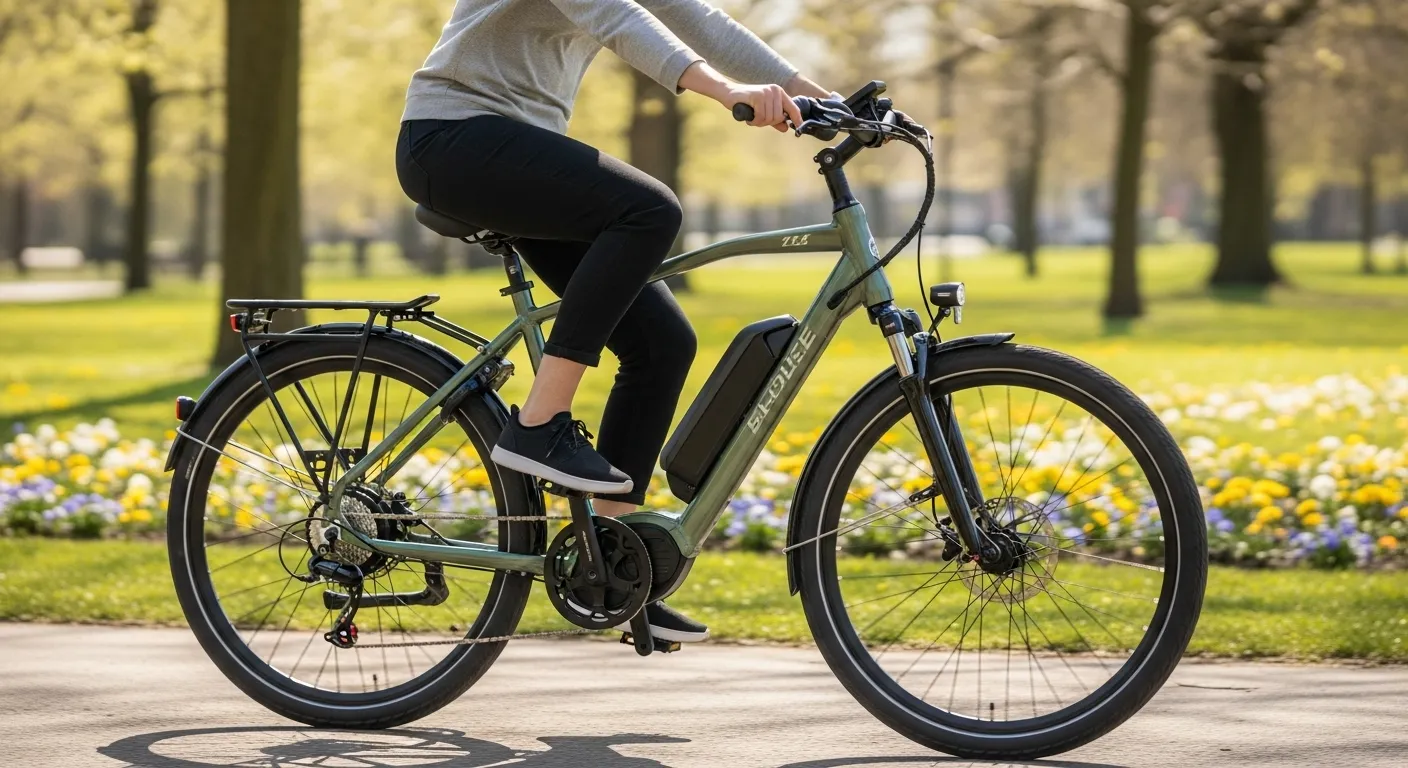
The XP4’s folding aluminum frame combines durability with convenience. For comfort, it includes a suspension fork that effectively absorbs road vibrations and 20-inch by 3-inch tires pre-loaded with Slime for flat prevention. Initially, I was concerned about the bike’s weight, as heavier e-bikes can be cumbersome to transport, yet the folding capability compensates for this limitation.
Initial Setup and First Ride Impressions
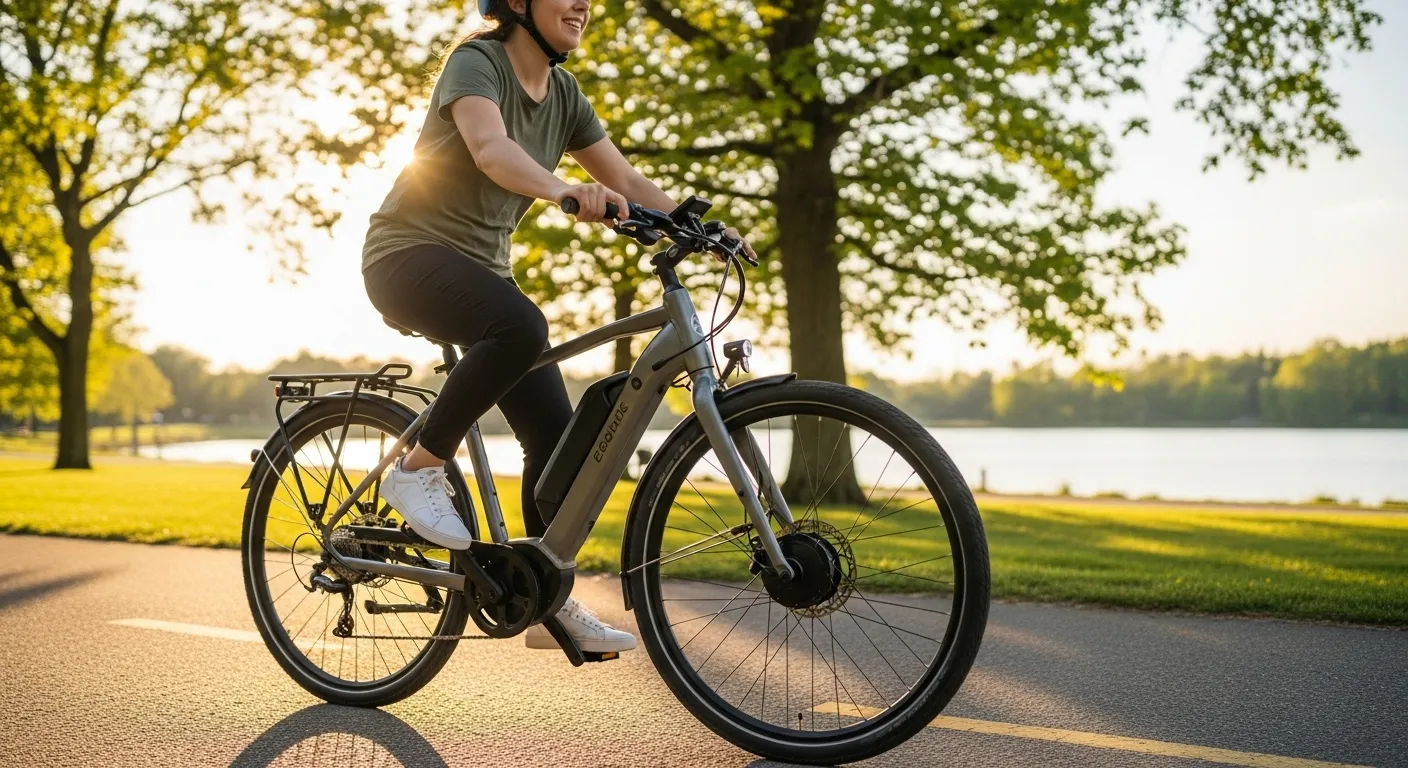
Setting up the bike was straightforward. After unboxing, I simply installed the handlebars, seat post, and charged the battery fully before my first ride. Upon powering up the display and selecting pedal assist level 1, I was immediately impressed by the smooth, natural acceleration. Essentially, the bike felt like a regular bicycle with a helpful boost rather than a completely different machine.
6-Month Riding Experience: Daily Use and Challenges
My six months of daily e-bike riding has been transformative, teaching me valuable lessons about both the joys and challenges of electric cycling for health.
Commuting and Weekend Rides
Daily commuting became my primary riding pattern, replacing frustrating public transportation with refreshing rides. Not only did my commute time decrease significantly, I found myself taking longer weekend routes simply because the e-bike made exploration effortless. According to research, e-bike owners are twice as likely to use their bikes weekly compared to traditional cyclists. Over six months, I’ve logged approximately 500-1000 miles monthly, confirming that e-bikes encourage more frequent travel than conventional transportation methods.
Weather and Terrain Adaptability
Weather presented unexpected challenges. Cold temperatures noticeably reduced my battery efficiency, sometimes cutting range by 30%. Nevertheless, I learned that e-bikes function well down to -5°F, although below -10°C battery power diminishes considerably. Rain required additional precautions, I installed fenders and used weather-appropriate tires. Wind resistance proved particularly draining on battery life, so I adopted a more streamlined riding posture on windy days.
Maintenance and Battery Life Over Time
Maintenance requirements exceeded my expectations. Because e-bikes experience more wear due to higher speeds and distances, I established a regular tune-up schedule every 3-4 months. Daily care practices extended my battery life, particularly:
Unexpected Issues and How I Solved Them
Several unexpected problems arose. First, my throttle occasionally stuck in the “on” position, gently twisting it back to resolve this issue. I experienced brake deterioration faster than anticipated due to the bike’s weight and my increased riding frequency. Additionally, controller wiring loosened after riding on rough terrain, requiring reconnection. Punctures were more common until I switched to e-bike-specific tires, which better handled the additional weight.
Health Improvements: Weight, Energy, and Mental Health
The measurable health improvements from six months of e-biking have exceeded my wildest expectations. What started as a convenient transportation solution evolved into a powerful health transformation tool.
Improved Energy Levels and Sleep
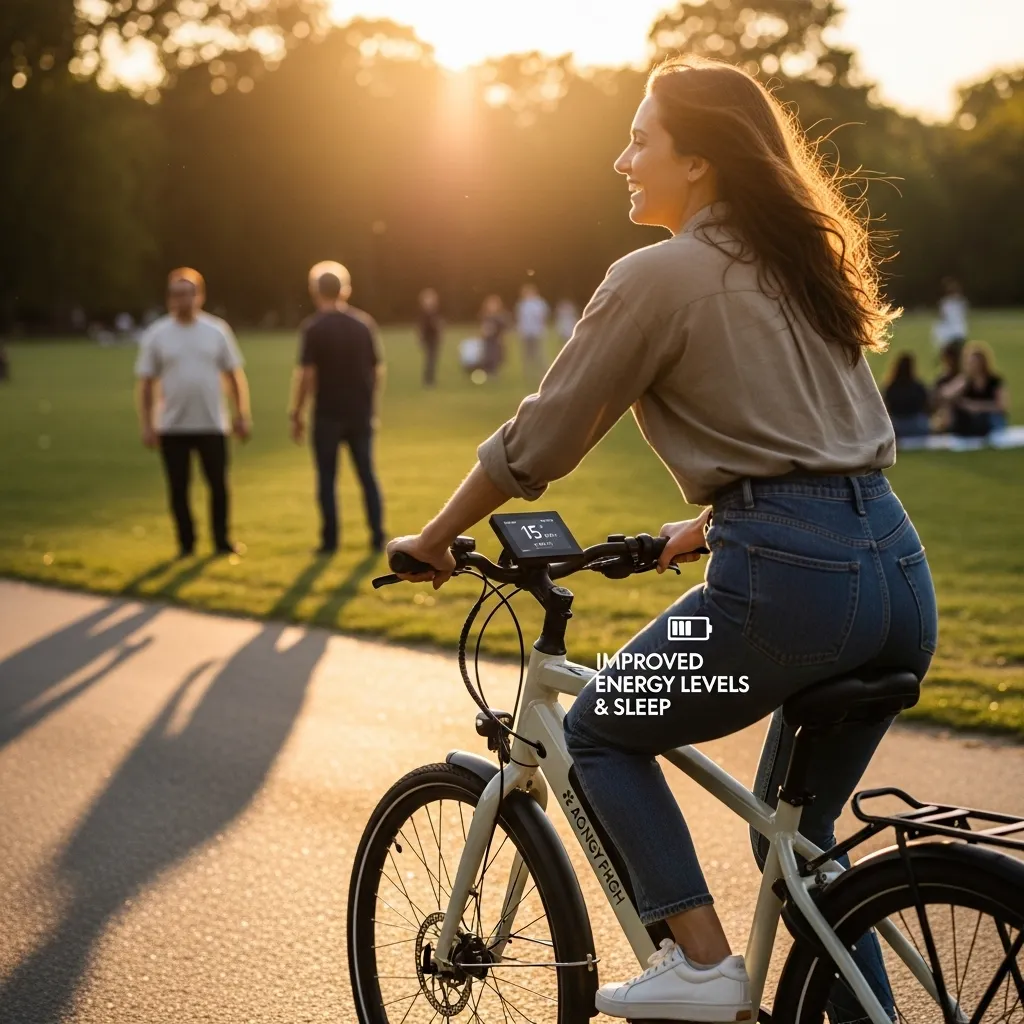
Notably, my daily energy levels soared. Other e-bike users report feeling “more energized” upon arrival at work, matching my experience perfectly. Indeed, studies indicate e-biking improves both fat and glucose metabolism. Sleep quality improved remarkably as regular physical activity helped regulate my sleep patterns, with e-biking promoting the type of moderate exercise that enhances overall rest quality.

Mental Health and Stress Reduction
Perhaps most surprising were the psychological benefits. E-biking triggered endorphin release, creating what researchers describe as significant improvements in mental wellbeing. The combination of outdoor exposure and physical activity simultaneously reduced cortisol levels and elevated mood. Many e-bike users specifically mention feeling “happier” and “more positive”, mirroring my experience.
Tracking Progress with Fitness Apps
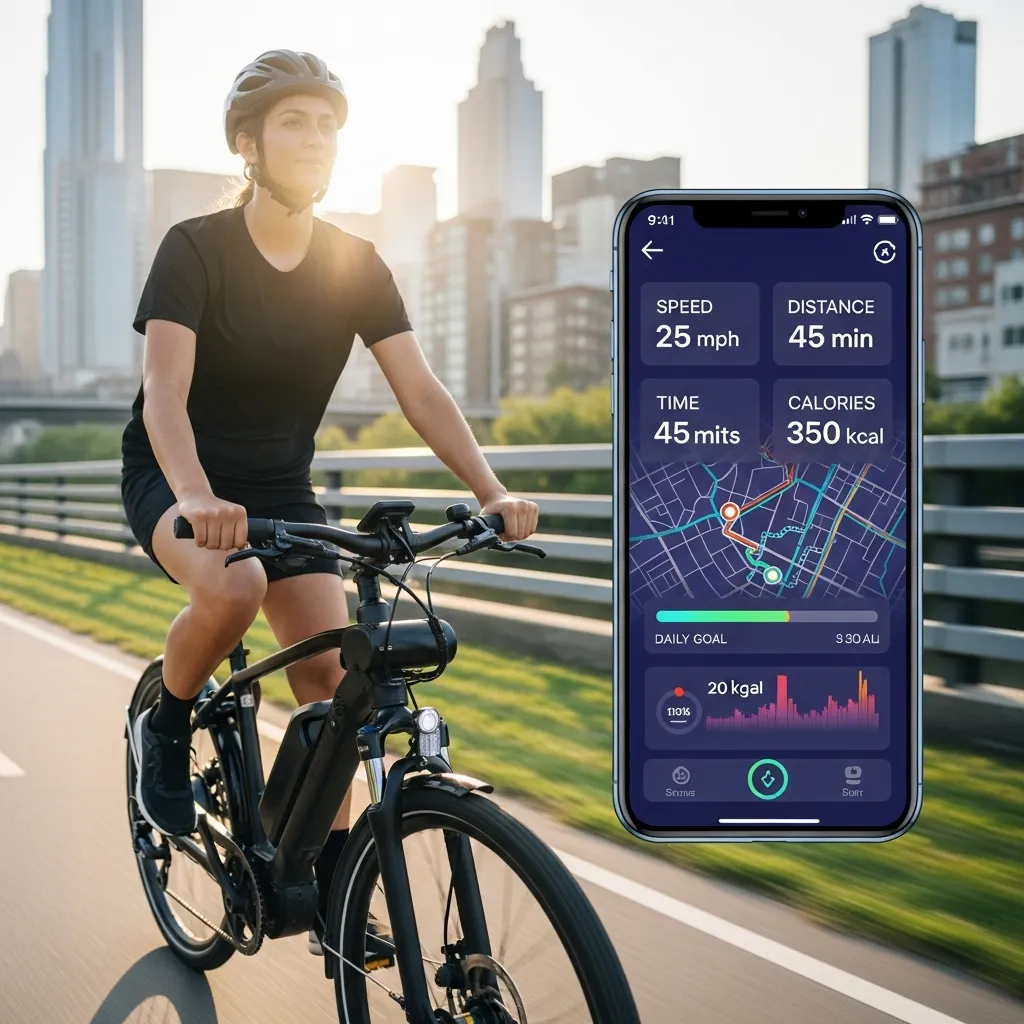
Throughout this journey, fitness apps proved invaluable for monitoring improvements. These tools allowed me to log workouts and track metrics like distance, duration, and heart rate. The visual representation of progress kept me motivated as data collection removed guesswork regarding intensity and improvement.
Weight Loss and Cardiovascular Benefits
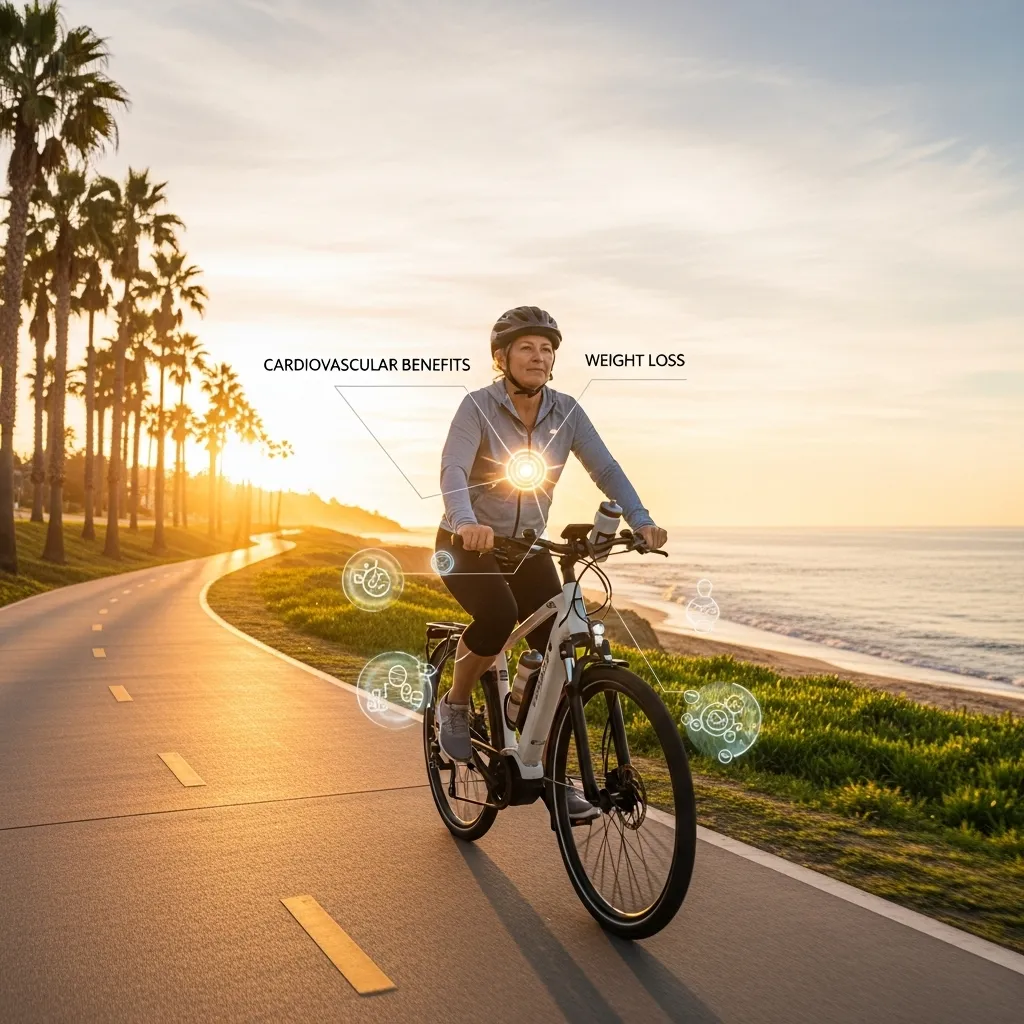
E-biking provided effective weight management, burning between 100-600 calories hourly depending on assist levels and riding intensity. Studies confirm that e-cycling contributes to meeting physical activity recommendations at moderate intensity levels. Throughout my journey, I experienced gradual weight loss similar to participants in research studies who reported noticeable reductions in both scale measurements and clothing fit. Even more impressive were the cardiovascular improvements, research shows e-biking can increase VO2peak by 7-8% after just 4 weeks.
Conclusion
Six months later, my electric bike experiment has been far more successful than I imagined. What began as a last resort for fitness is now part of my daily routine. The Lectric XP4 delivered the perfect mix of affordability, functionality, and consistency.
I’ve ridden 500–1000 miles monthly, lost weight, and improved my cardiovascular health, without the joint pain that came from traditional cycling.
Challenges like weather and maintenance tested my commitment, but regular tune-ups and persistence kept me going. you can read our comparison guide about Electric Bike Conversion Kit Installation Guide.
The biggest surprise was the mental health boost. Each ride lifted my mood and reduced stress. Exercise no longer feels like a chore; I look forward to every ride.
Though some see e-bikes as “cheating,” my experience proves they offer real fitness benefits while removing barriers to consistency. Adjustable assistance made workouts fit my energy and goals.
Anyone seeking sustainable fitness should try e-biking. The investment pays off in health, savings, and pure enjoyment. Electric biking transformed not only my body but my attitude toward exercise, proving that lasting change comes from finding what fits your life.