Electric Mountain Bikes 2025: Trail Power & Performance
Electric mountain bikes have transformed trail riding. Finding the right one takes more than expert reviews alone. My extensive testing of 25 models across hundreds of miles and over 300,000 vertical feet of terrain shows that great e-MTBs excel beyond their basic specs. The Specialized Turbo Levo Comp stands out as the market’s best electric mountain bike for five straight years. The Trek Rail 9.9 Gen 3 with its powerful Performance Line CX motor deserves recognition too, along with the ultra-light Specialized Turbo Levo SL Expert. Most reviews focus mainly on motor power and battery life.
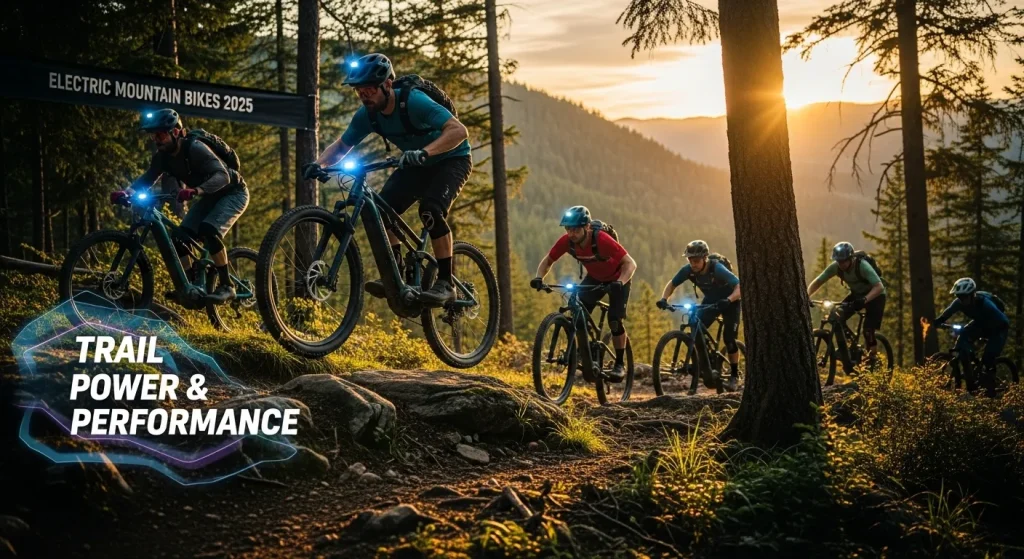
The best full suspension electric mountain bikes shine in subtle ways – from weight distribution to geometry tuning and suspension responsiveness. The fastest electric mountain bikes don’t necessarily pack the most powerful motors. They achieve the best overall balance of components. My 2025 breakdown covers the essential aspects of e-mountain bikes that experts often miss but can drastically affect your experience on the trails.
What makes a great Electric Mountain Bikes for trails
A great e-MTB needs more than just raw power. You need the right mix of significant performance elements that work well with your riding style and local trails.
Climbing vs descending balance
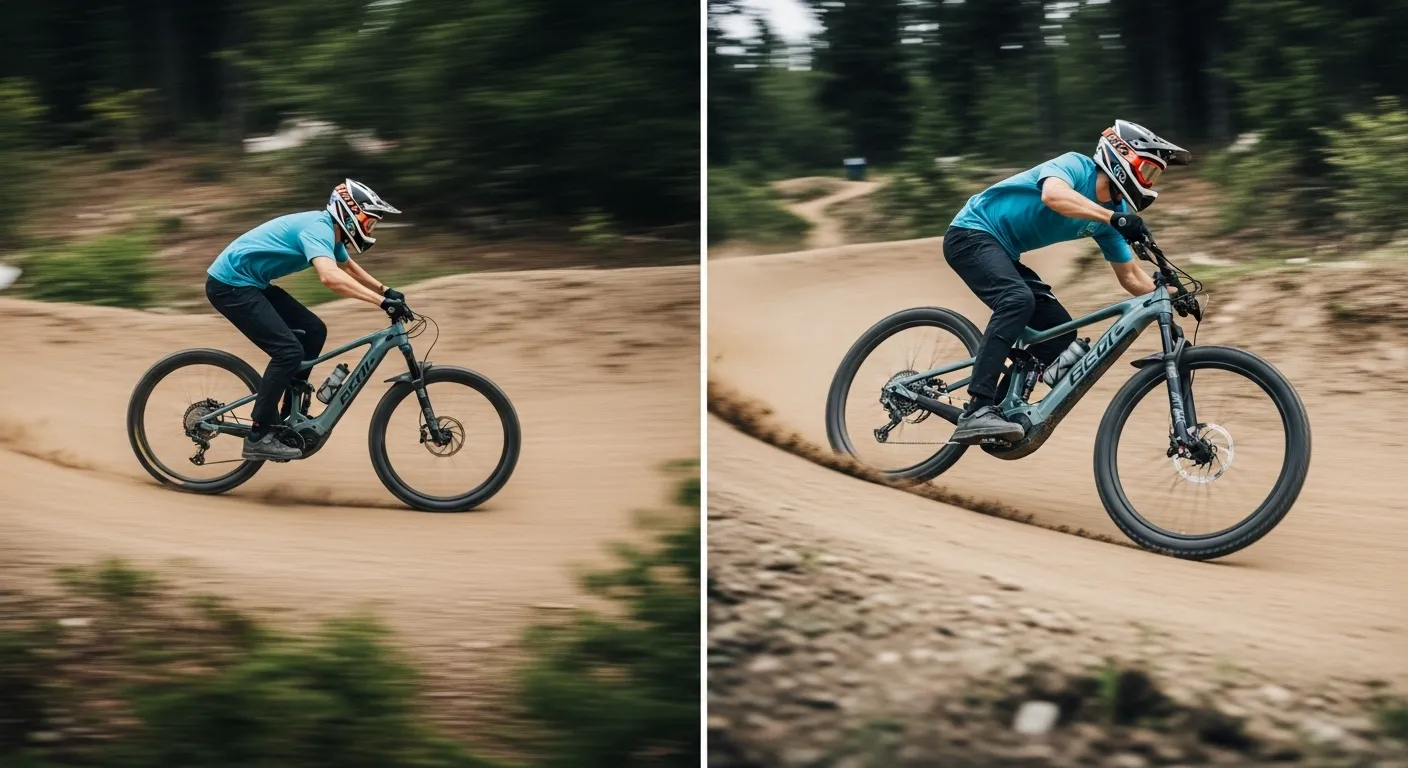
Trail riders need an electric mountain bike that excels both uphill and downhill. E-bikes make climbing faster, but technical uphill sections still need skill and finesse. The right timing of each pedal stroke maximizes motor benefits while you retain control. The best full suspension electric mountain bikes now focus on downhill performance rather than pure climbing efficiency. Lower anti-squat values give better seated comfort and traction on terrain of all types.
E-biking revolutionizes the way we ride. Technical climbs that seemed impossible become exciting challenges. A seasoned rider puts it well – climbing on an e-MTB remains “a game of balance and traction”.
Weight and handling
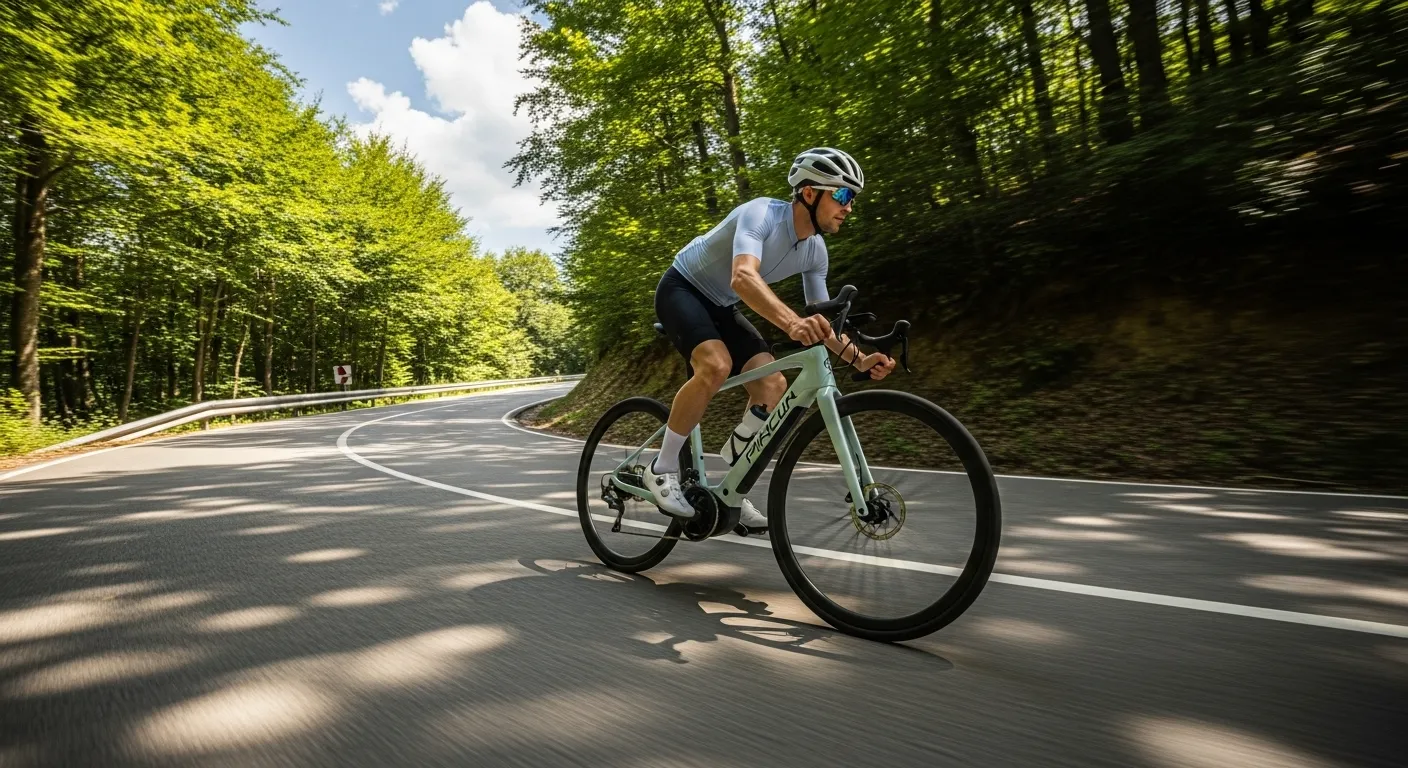
E-mountain bikes weigh between 40-60 pounds. Motors and batteries add about 13-15 pounds more than standard mountain bikes. This extra weight changes handling but brings unexpected benefits. Heavier e-MTBs stay stable on rough descents and grip better on loose climbs. Mid-drive motors in most electric full suspension mountain bikes keep weight low and centered. This helps preserve the handling feel of standard MTBs. Riders who want maximum agility can opt for lightweight e-MTBs under 44 pounds. These bikes feel more responsive and similar to traditional bikes. Heavier models over 53 pounds give you rock-solid stability at high speeds.
Battery and motor synergy
Battery capacity and motor power need to work together perfectly. The fastest electric mountain bike might not have the most powerful motor. The best ones have components that complement each other. High-performance e-MTBs now come with peak power outputs around 750W and at least 75Nm of torque. Battery size affects how far you can ride. Larger batteries (630-750Wh) let you ride longer but weigh more. To cite an instance, a 1000-watt motor with an 800Wh battery gives you about 40 minutes of continuous peak power. This shows why your typical ride duration matters when picking battery capacity. Your priorities determine the ideal setup – whether you want long-range adventures, technical climbing ability, or fun descending characteristics.
Hidden performance factors experts skip
Real-life performance factors determine how an electric mountain bike handles on trails. These hidden elements make the difference between an okay ride and an amazing experience.
Geometry tuning and its effect
The way riders connect with their e-MTB on trails depends on geometry. A slacker head tube angle (65-67 degrees) helps you stay stable going downhill, while steeper angles work better for climbing. The wheelbase length affects handling a lot. Longer wheelbases give you control at high speeds, but shorter ones let you move better through technical sections. E-mountain bikes’ weight needs special geometry adjustments. Bike makers now know that balancing weight through frame geometry creates better handling.
Suspension setup for trail types
Getting the suspension right is vital but often overlooked when setting up an e-MTB. The right sag (20-35% of travel) changes based on how you ride. Trail bikes need 20-25% while enduro bikes work best with 25-35%.
You need the right mix of rebound and compression damping. The suspension should feel smooth yet quick on technical terrain. It must bounce back fast without getting bogged down by repeated hits.
Motor lag and responsiveness
A powerful motor becomes useless if it doesn’t deliver power smoothly. The time between pedaling and motor response can really affect your trail riding, especially on tricky climbs where you need precise power. Some motors take half a rotation to kick in, but high-end systems respond right away.
Battery placement and center of gravity
Battery location changes how your bike handles. Putting the battery lower makes the bike more stable and helps you corner better and feel more confident going downhill. Batteries built into the frame usually give you the best weight distribution. They sit low and central in the frame. Batteries mounted outside the frame also work well, but rack-mounted ones can make bikes feel wobbly by putting too much weight up high and toward the back.
Top Electric Mountain Bikes in 2025
The 2025 e-MTB market brings new innovations that change trail performance for bikes of all prices. These models stand out with unique features that challenge technology limits.
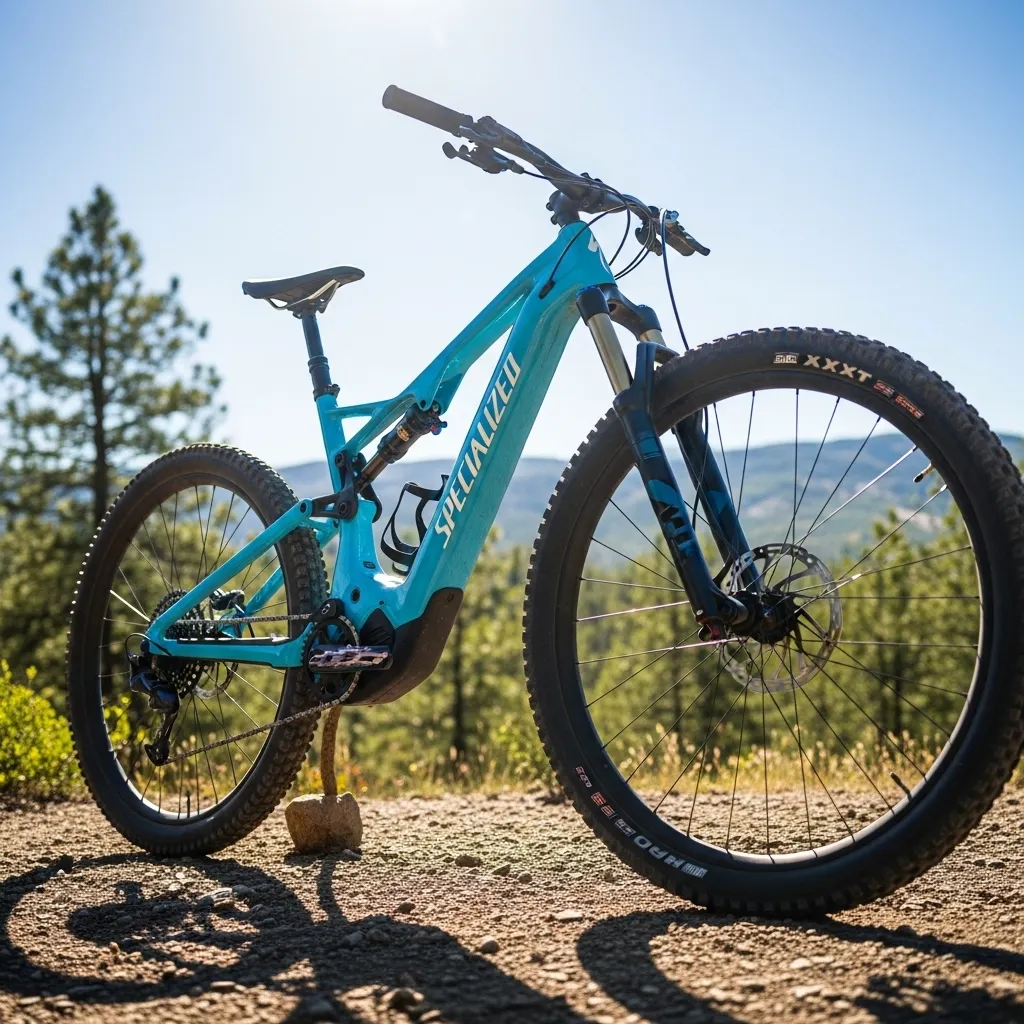
Specialized Turbo Levo Comp
The fourth-generation Turbo Levo sets new standards with its S-Works 3.1 motor that delivers 111 Nm torque and 720 watts peak power. The new 48-volt system cuts heat buildup and boosts reliability with metal gears instead of belts. The 840 Wh battery needs just two hours to charge with the 12-amp fast charger, a new record for e-MTBs. The bike now has easy side-access battery removal and works with Apple Find My.
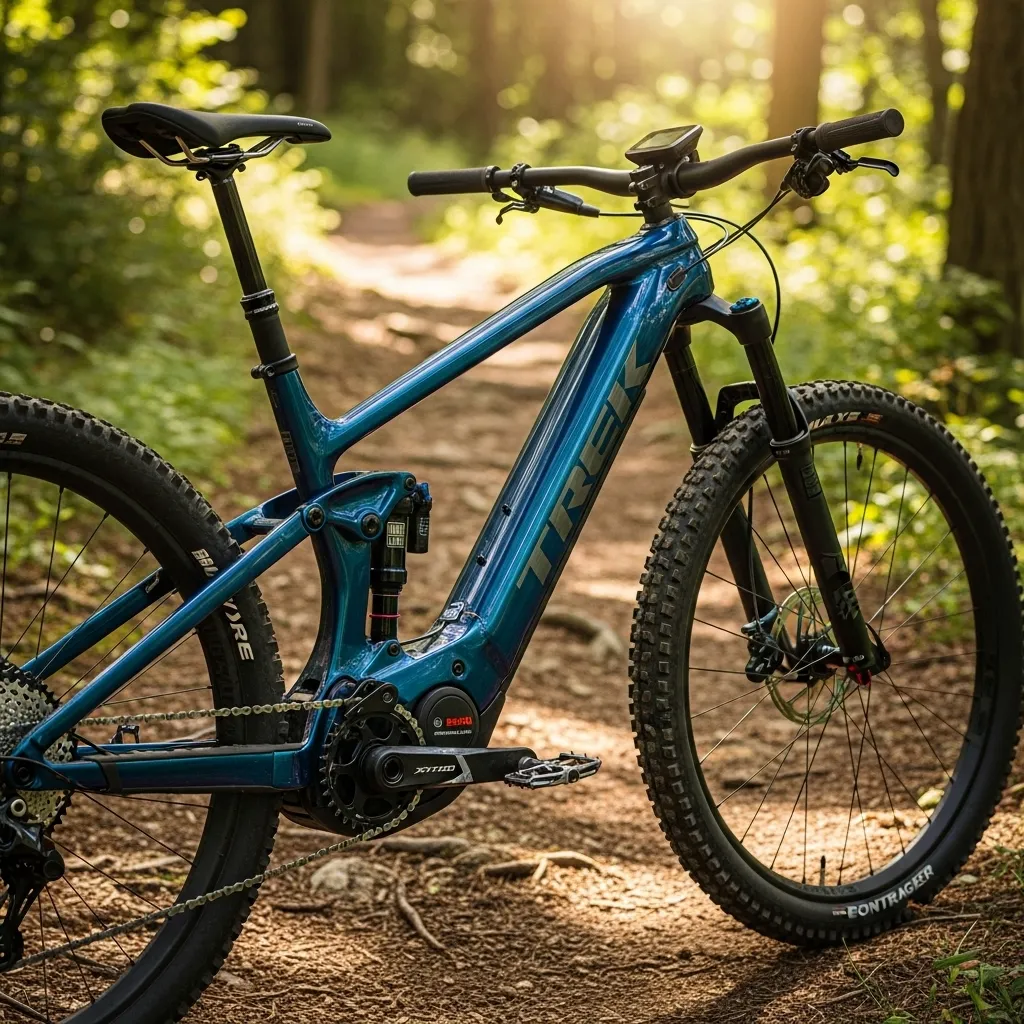
Trek Rail 9.9 Gen 3
Trek’s top e-MTB pairs a Bosch Performance Line CX motor (85 Nm torque) with a huge 750 Wh PowerTube battery, making it one of the most powerful in its class. The Rail comes with premium RockShox suspension made with Penske racing shocks and connects to the SRAM AirWiz app for the best setup. Trek’s Active Braking Pivot helps prevent rear wheel lockup and keeps traction on tough terrain.
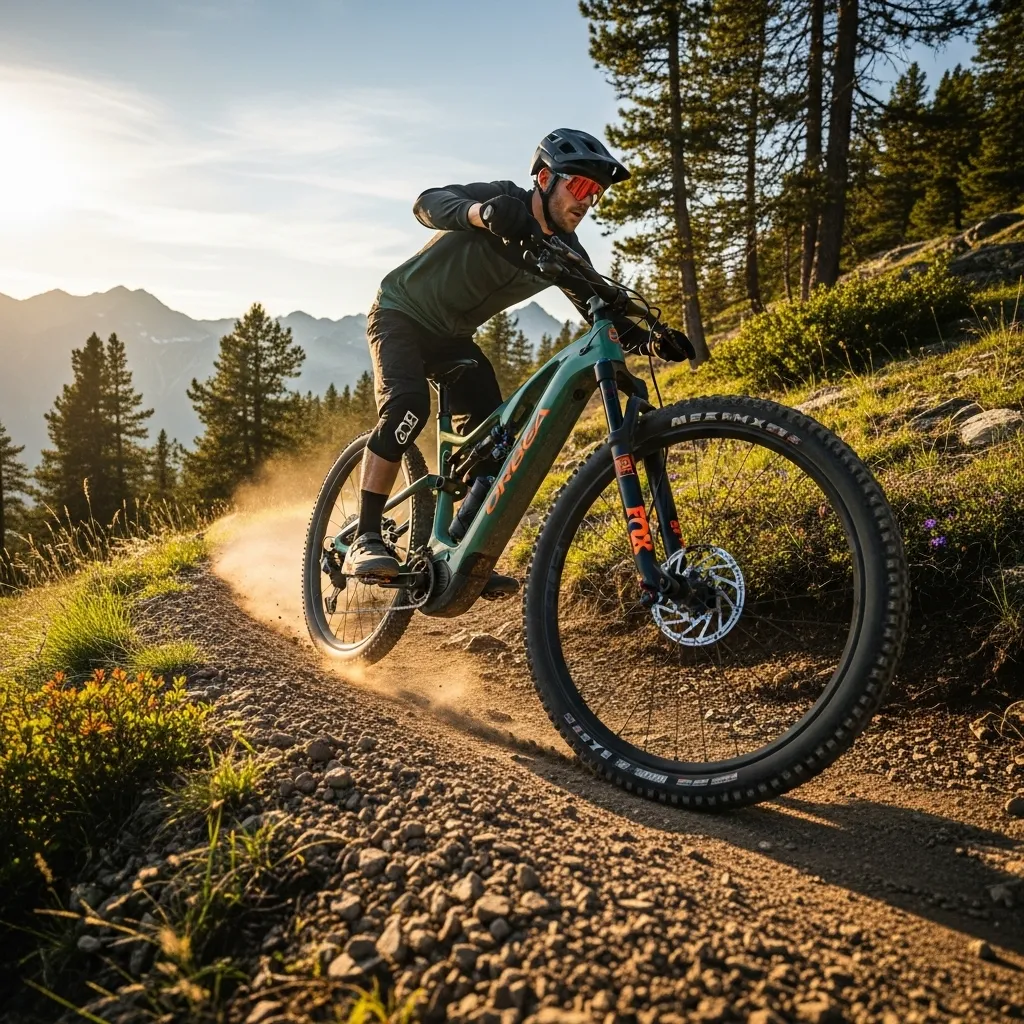
Orbea Wild M-LTD
The Orbea Wild M-LTD weighs just 22.5 kg, making it one of the lightest full-power e-MTBs. It runs on Bosch’s Performance Line CX motor with 85 Nm torque and uses FOX Factory suspension with 170 mm travel front and rear. The Wild works well for riders at any level with balanced, nimble handling that builds confidence on steep trails. Orbea’s MyO system lets riders customize their bikes without spending much more.
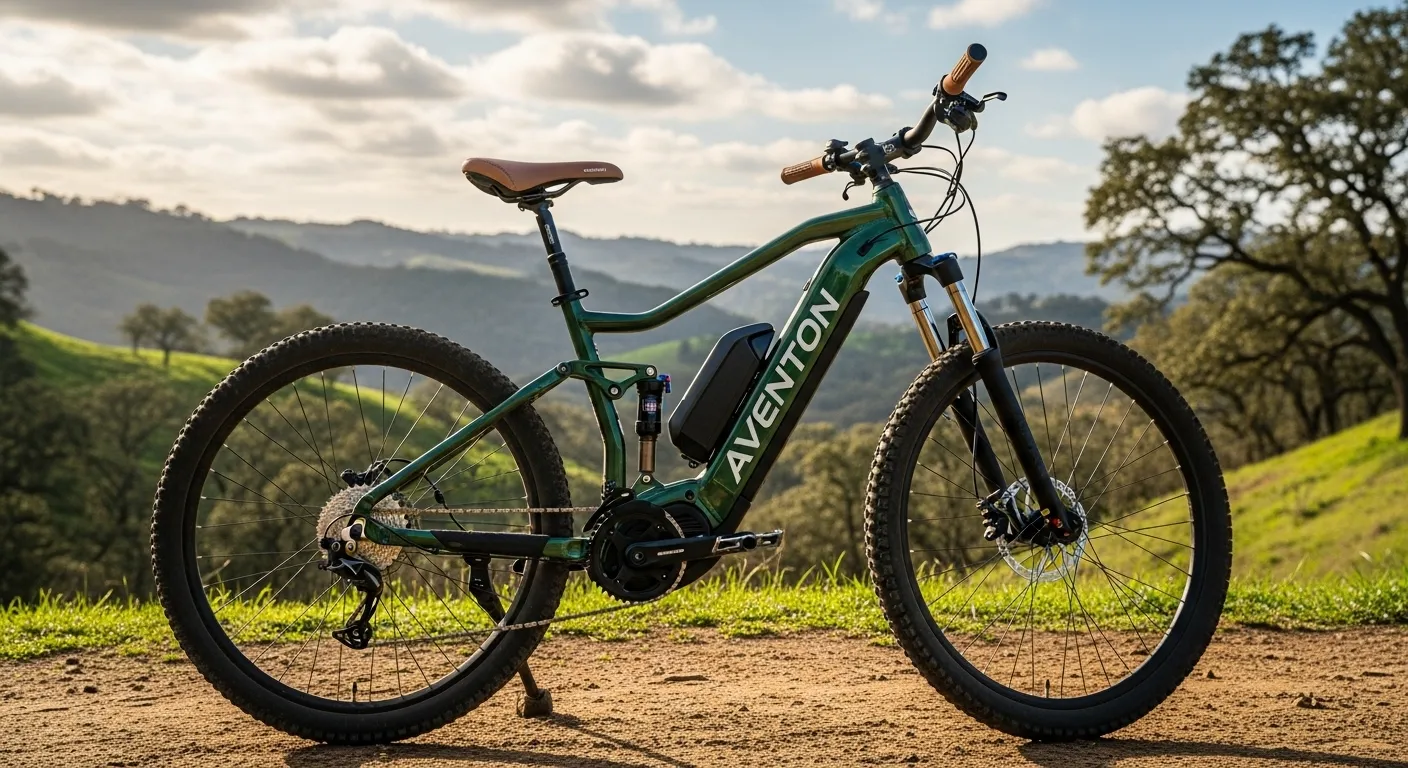
Aventon Ramblas
The Ramblas changes what we expect from affordable e-MTBs at under USD 3,000. Its custom a100 mid-drive motor puts out 250 watts (750W peak) and 100 Nm torque. The 706 Wh battery ranked in the top five for range during tests. Aventon adds quality parts like SRAM drivetrain and brakes, RockShox suspension fork, and Maxxis tires despite the lower price.
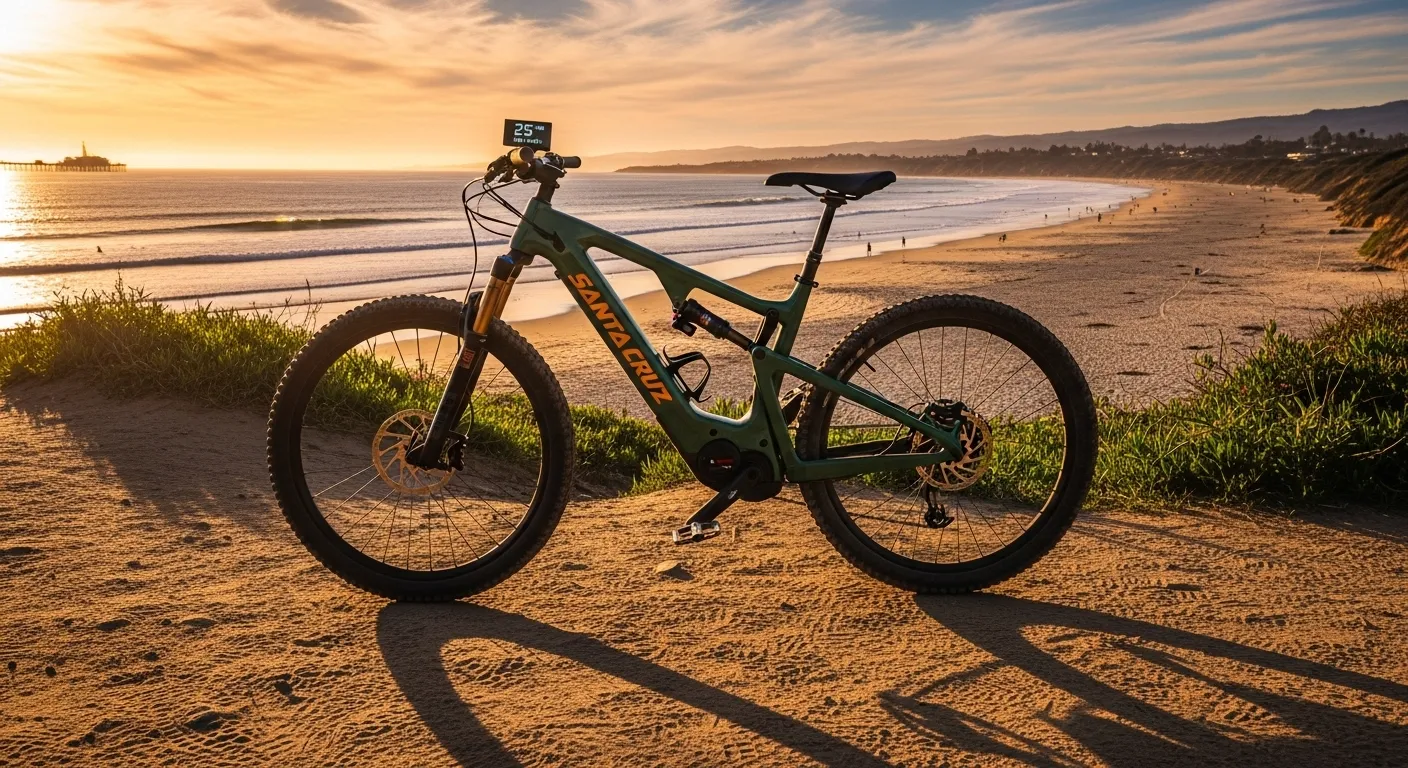
Santa Cruz Vala R
This 150 mm travel mullet-wheel e-MTB focuses on handling rather than pure power and weighs less than 50 pounds (22.7 kg). The Vala has a 600 Wh battery mounted low to improve balance. Riders can adjust the four-bar suspension’s geometry and progression to match their style. The Vala handles technical trails like a regular bike even with its Bosch Performance Line CX motor.
What to consider before buying
You need to look at several things beyond power and performance when picking the right electric mountain bike. The right choice will match your riding style and how much maintenance you can handle.
Full suspension vs hardtail
Full suspension e-MTBs give you better comfort and control on technical trails with both front and rear suspension. They need more upkeep and cost USD 800-1000 more than hardtails. Hardtail e-bikes come with front suspension and a rigid frame. They’re lighter, transfer power better, and need less maintenance. Your typical riding terrain should guide your choice. Hardtails work great on smooth pavement, gravel roads and moderate trails. You’ll need full suspension bikes for technical singletrack and rough terrain. New riders do better with a hardtail like the Canyon Grand Canyon:ON before moving up to full suspension bikes.
Wheel size and terrain match
The size of your wheels changes how your bike handles. Most e-MTBs come with either 27.5″ or 29″ wheels. The 26″ wheels are now mostly found on kids’ bikes. The 27.5″ wheels let you handle the bike more playfully. They speed up faster and navigate obstacles better. This makes them great for technical riders who like to get airborne. The 29″ wheels give you more stability, momentum, grip, and roll over obstacles better. They work great for beginners and trail riding. Plus-sized tires (2.8-3.0″ wide) grip better and feel more stable but aren’t as agile. Many bikes now come with “mullet” setups – 29″ front and 27.5″ rear wheels. This gives you both good rollover ability and maneuverability.
Frame material trade-offs
Your frame material choice affects weight, durability, ride quality and cost. Aluminum frames make up 80-90% of e-bikes. They balance strength, light weight (7-15 pounds), and cost well. Carbon fiber frames are super light (2-4 pounds) and dampen vibrations nicely but cost much more. Steel frames can take a beating and absorb shocks well but weigh more than other options. Titanium frames are light and resist corrosion well, but they’re expensive. Your budget and riding style will guide your choice.
Maintenance and support
E-bikes need more care than regular mountain bikes because parts wear out faster. Check your tire pressure often to save battery life. Clean and oil your chain, inspect brakes, and test gears regularly. Like a car, your bike needs yearly professional service.
Keep an eye on battery health and update firmware as part of regular maintenance. E-MTB systems are complex, so finding a good certified service center will help your bike last longer.
Conclusion
E-MTBs have transformed trail riding with advanced tech and performance. The perfect bike isn’t just about expert reviews or specs, you need a balance that fits your riding style and trails. Weight distribution, geometry, and suspension matter more than raw power, and the strongest motor won’t always give the best ride. What truly counts is how the battery placement, motor response, and suspension work together.
The 2025 market offers strong options for every budget. Specialized leads with the Turbo Levo Comp, while Trek, Orbea, Aventon, and Santa Cruz provide great alternatives, each excelling in different areas like weight, power, range, or handling.
Know your priorities before buying. Full suspension boosts comfort and control but needs more maintenance. Wheel size affects handling, 27.5″ is playful, 29″ is stable. Frame materials should balance weight, durability, and cost.
Software features and proper maintenance are Essential E-Bike Accessories for long-term performance. With the right e-MTB, you can explore more terrain and enjoy trail riding even more. Tech keeps improving, but the basics remain: choose a bike that fits how and where you ride, and the level of maintenance you’re comfortable with.