
Fixing Ebike Problems: A Mechanic’s Quick Guide
Studies show that one in five ebike owners deal with technical problems in their rides. These issues can turn your eco-friendly commute into a frustrating experience.
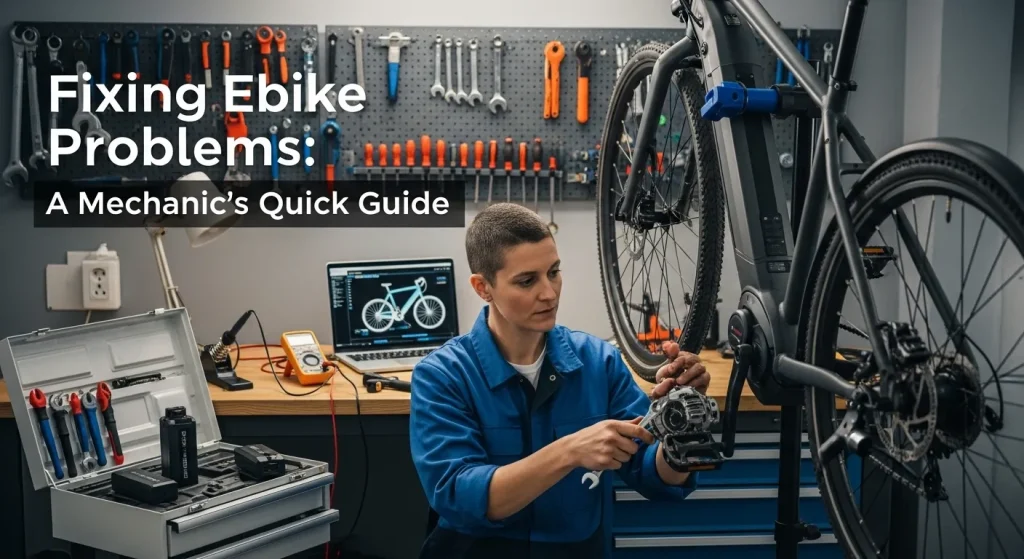
Your ebike’s battery serves as its powerhouse and causes most of the troubles. These batteries typically last 3 to 5 years but can unexpectedly stop charging or drain fully, which leaves you stranded without power assistance. Most electric bike’s problems stem from motor and battery components. On top of that, issues with hub motors, controllers, and sensors can affect your bike’s performance.
Electric bikes have transformed personal transportation, yet they come with more complexity than regular bicycles. The silver lining? You can check and fix many common ebike problems by yourself. This approach saves both time and money.
This piece offers practical solutions to help you get back to riding quickly. We’ll cover everything from simple troubleshooting steps to specific component fixes that will keep your ebike running smoothly.
Start with Basic Checks and Quick Fixes
Your ebike needs these simple checks before you seek professional help if it’s not performing properly.
Check Battery Connections
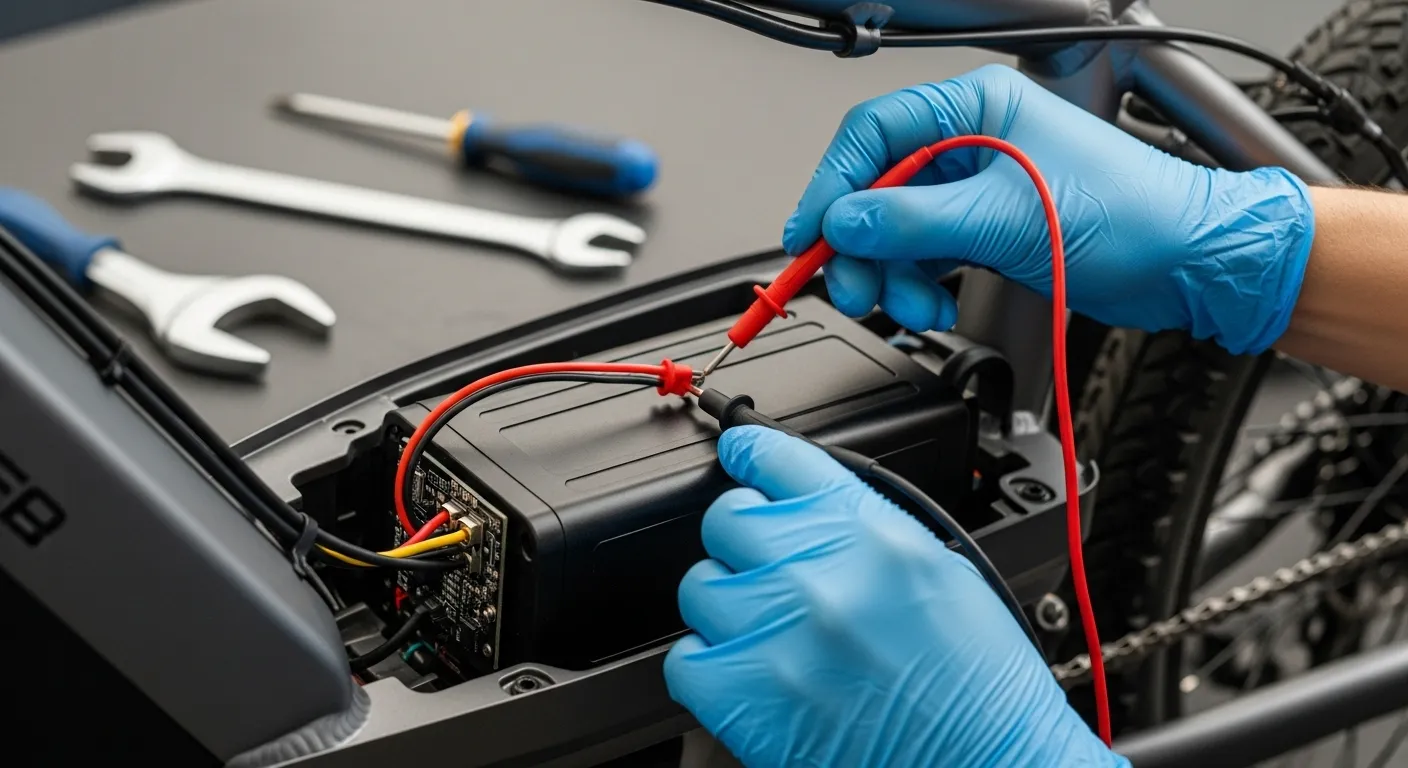
Start by getting into your battery connections. A slightly loose connector can cut power during rides completely. You should clean any corrosion from battery terminals with a soft cloth and rubbing alcohol to ensure proper electrical flow.
Inspect Visible Wiring
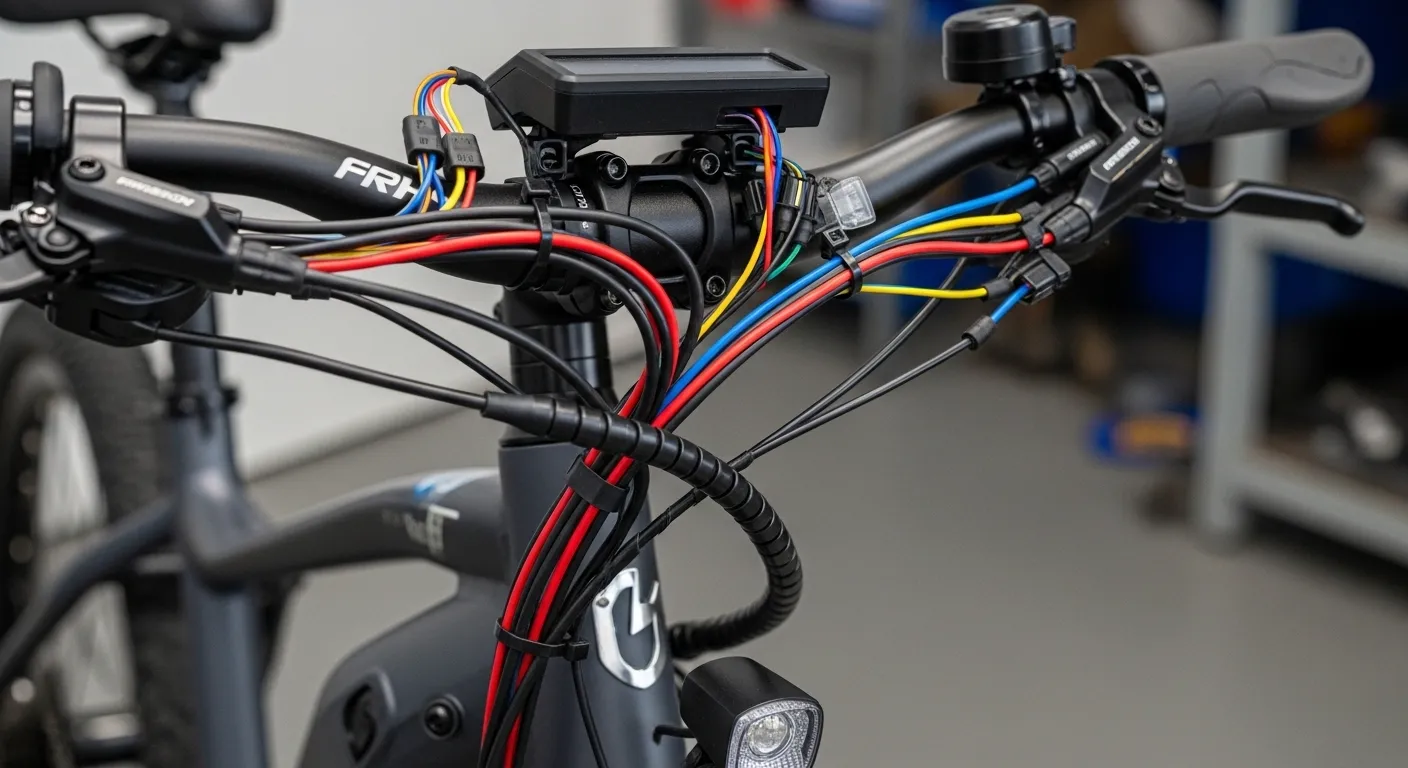
The visible wiring from handlebars to motor needs inspection. Watch for cuts, pinches, or frayed sections, especially where cables bend during steering. The bike should be powered off while you gently wiggle wires. Any connector movement often points to a problem area.
Reset the Controller
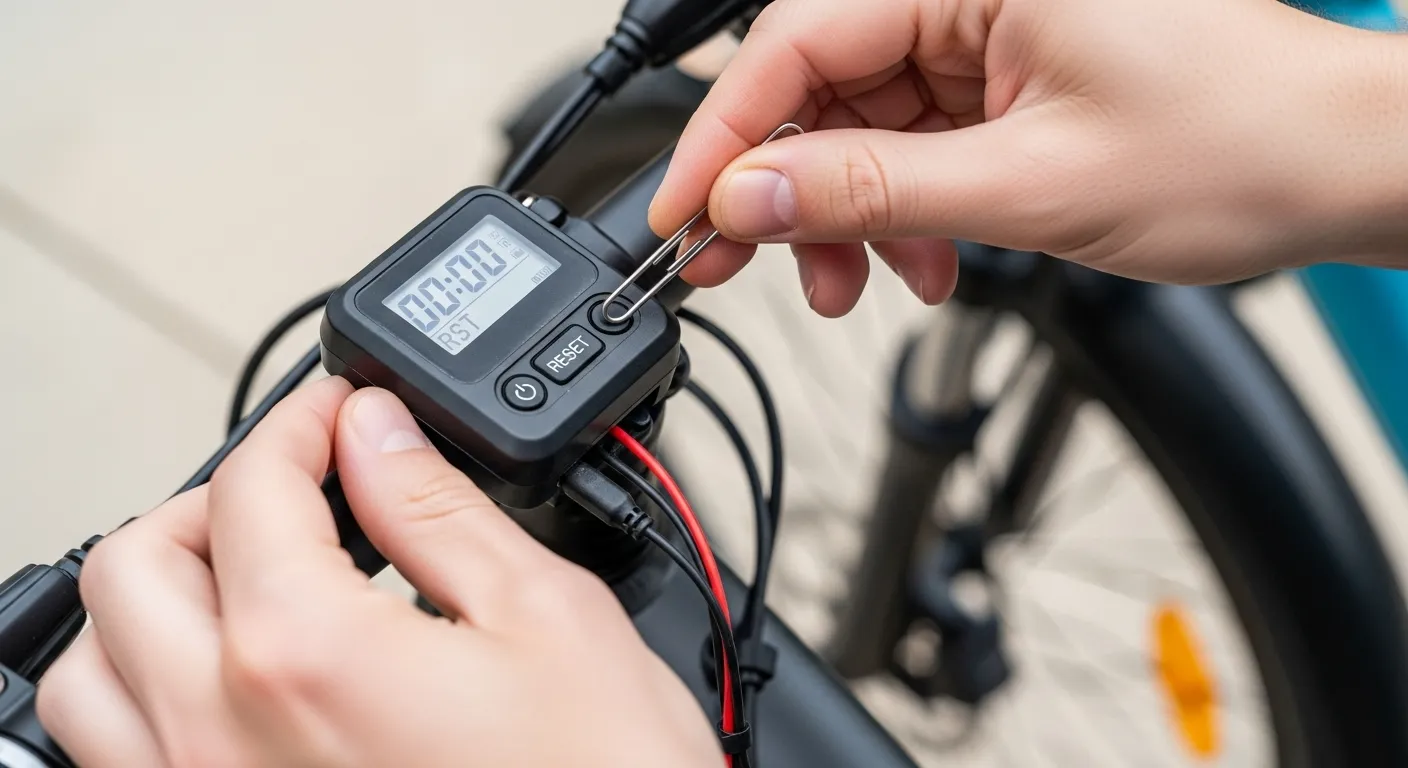
A simple controller reset can resolve many ebike problems. The process involves powering off completely and removing the battery for 5–10 minutes. You can reconnect and power back on after that. This step clears temporary memory issues that might cause performance problems.
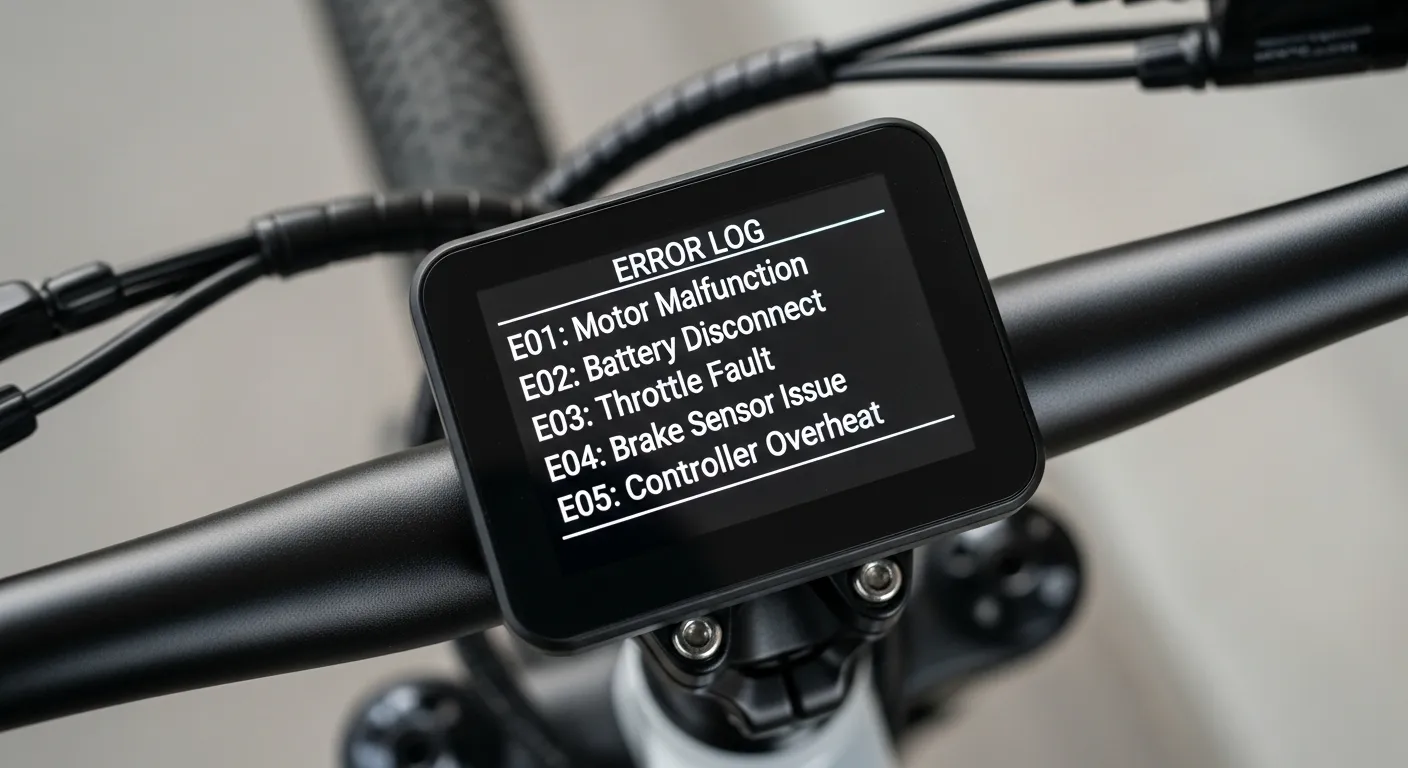
Record Error Codes
Write down any error codes your display shows before troubleshooting. Common codes include “E30” (communication error), “E07” (overvoltage protection), and “E21” (voltage current error). These codes flash briefly on most displays when problems occur.
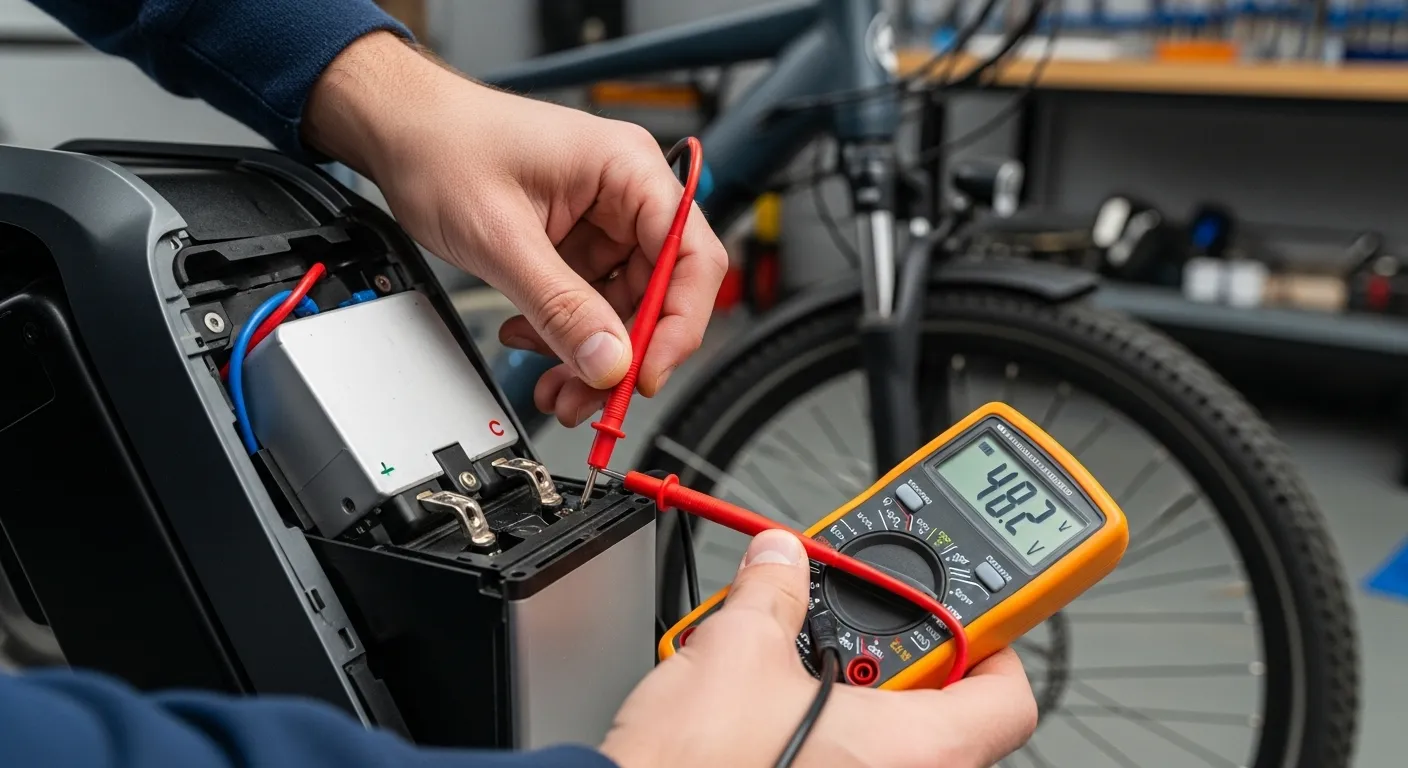
Test Battery Voltage
A multimeter check of your battery’s voltage can reveal if your power source works correctly. Your battery’s optimal health depends on regular charging, even during storage periods. This practice prevents complete discharge that can damage the battery over time.
Component-Level Troubleshooting for E-Bike Problems
Complex ebike problems require component-level troubleshooting.
Check Brake Inhibitors
Brake inhibitors can trigger motor issues from overtightening. The throttle and pedal assist functionality should be tested by disconnecting brake inhibitor cables. A working system after disconnection points to the inhibitors as the source. You can fix this by loosening the 2mm Allen key bolt and adjusting the inhibitor bolt with a 7mm wrench.
Inspect the Controller
Your controller’s malfunction will show up as sudden stops or power cuts during rides. The controller needs a reset by removing the battery for 10 seconds before reconnection. Loose connections need inspection as they create voltage drops that interrupt power. Your controller probably needs replacement if it’s unusually hot or smells burnt.
Adjust the Pedal Assist Sensor
Pedal assist problems start with the sensor’s position. The pedal assist sensor should line up with the magnet disk, keeping a gap under half an inch. The sensor’s failure often stems from dirt buildup or poor positioning.
Check for Motor Problems
We tested motor problems by listening for grinding noises or feeling unusual resistance. The rear wheel should be lifted to engage the throttle while you check for sounds that signal internal damage.
Preventive Maintenance and Long-Term Care
Taking care of your ebike is nowhere near as difficult as fixing problems later. Simple maintenance routines will keep your components lasting longer and help you avoid repairs that can get costly over time.
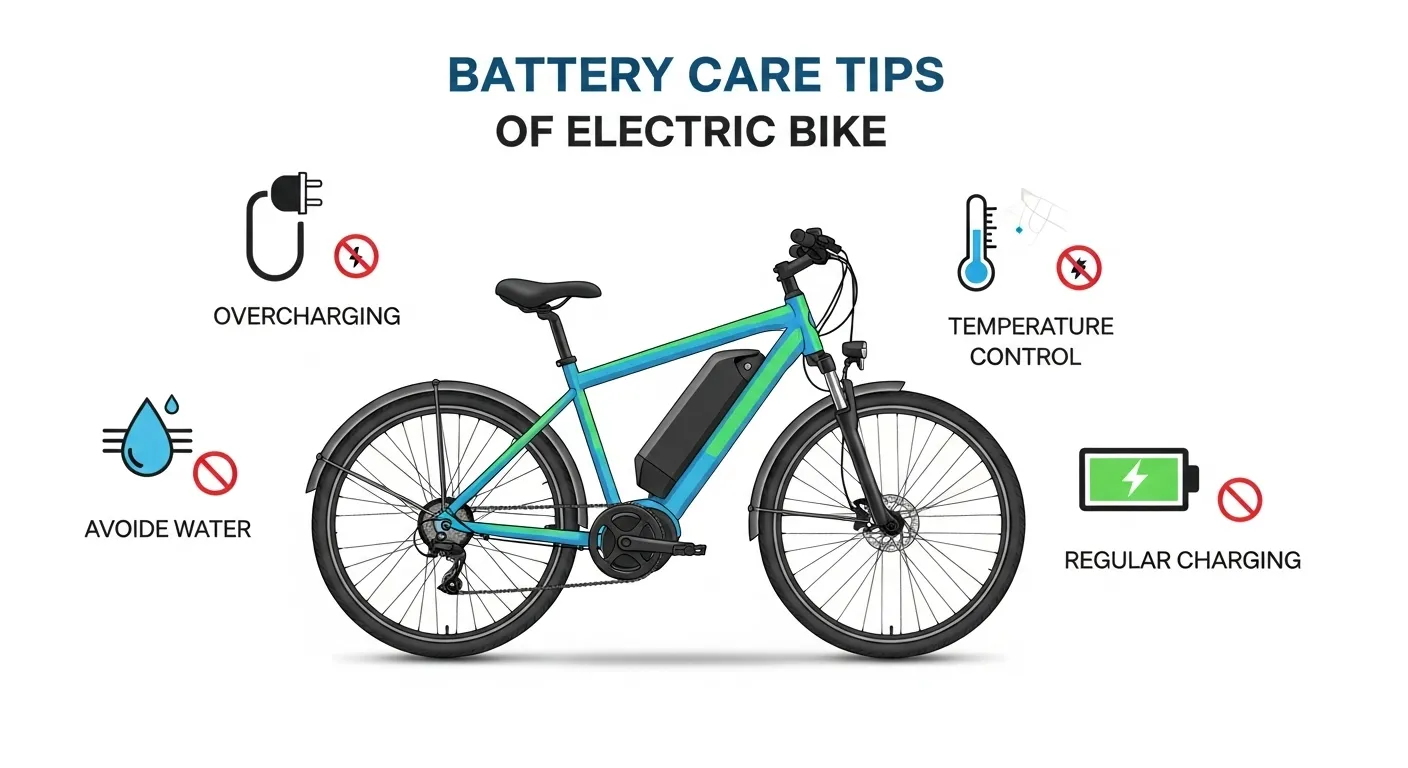
Battery Care Tips
Battery care stands as the life-blood of your ebike’s longevity. Keep charge levels between 40–60% during long-term storage. Your battery will degrade faster if you leave it fully discharged or constantly at 100% charge. Room temperature storage (50–77°F) works best, so keep batteries away from temperature extremes.
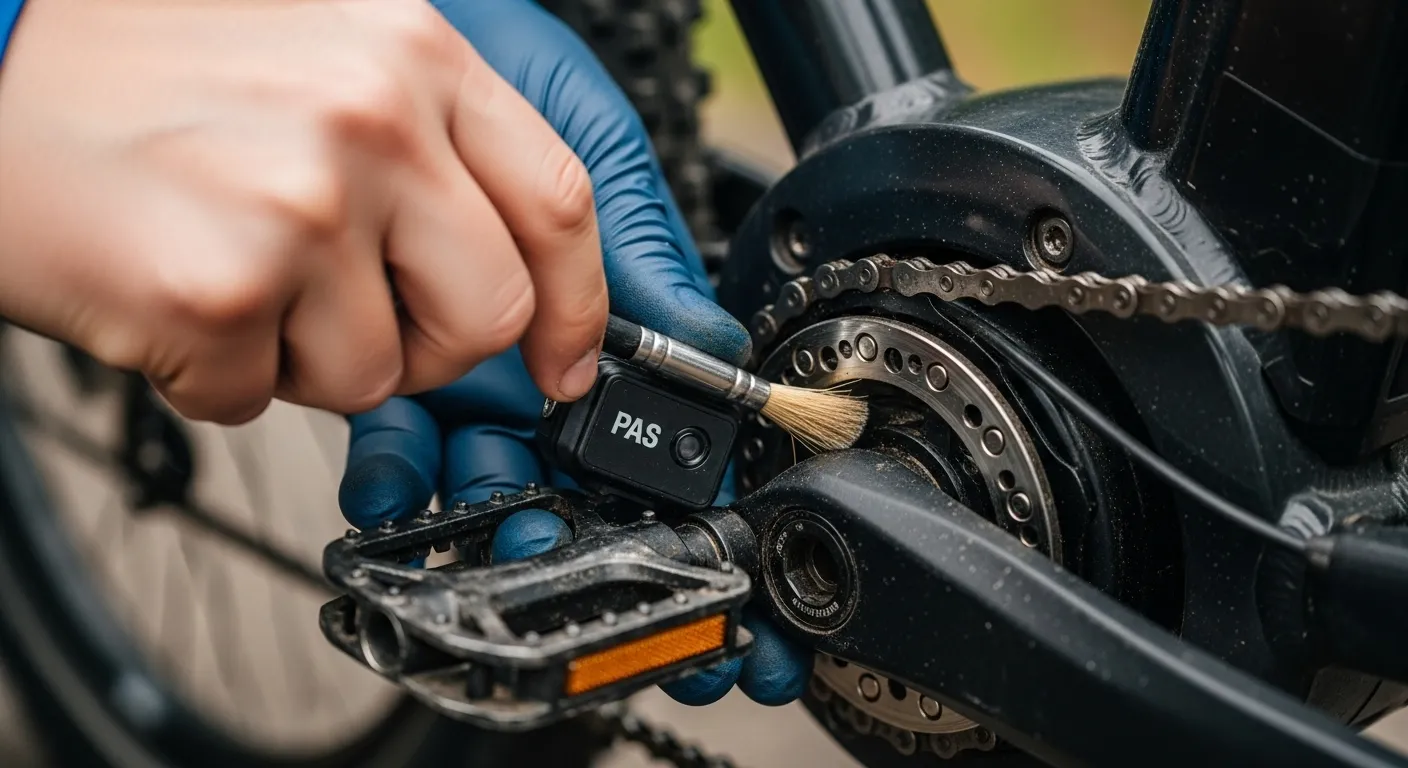
Maintain the PAS Sensor and Magnet Disk
Your PAS sensor and magnet disk need regular cleaning to prevent signal issues. Quick visual checks before rides help spot problems with sensor lineup and cable connections. A few zip ties can secure loose cables and prevent them from catching during rides.
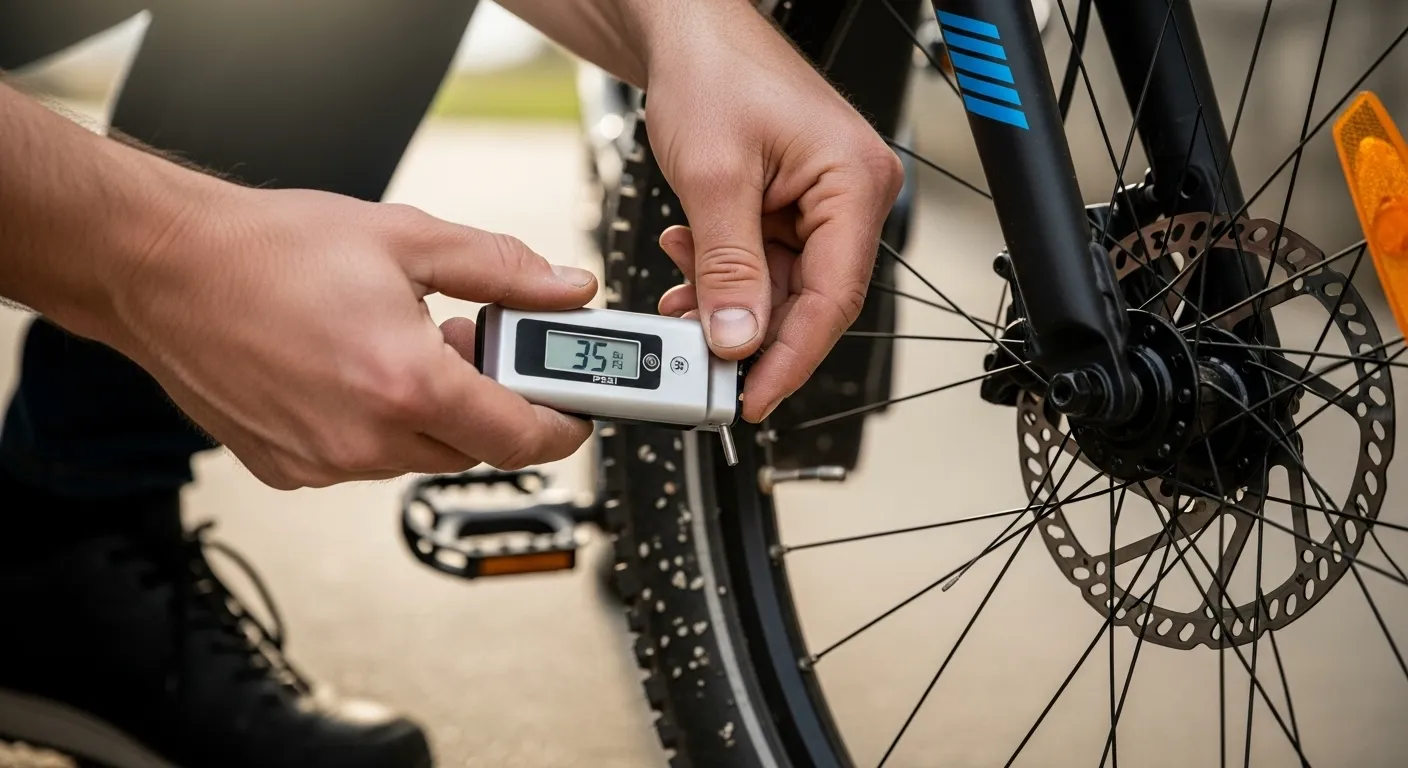
Check Tire Pressure and Wear
Weekly tire pressure checks and wear inspections are essential. Replace tires once tread depth drops below 1.5mm. Most ebike tires will serve you well for 1,000–3,000 miles based on how you ride.
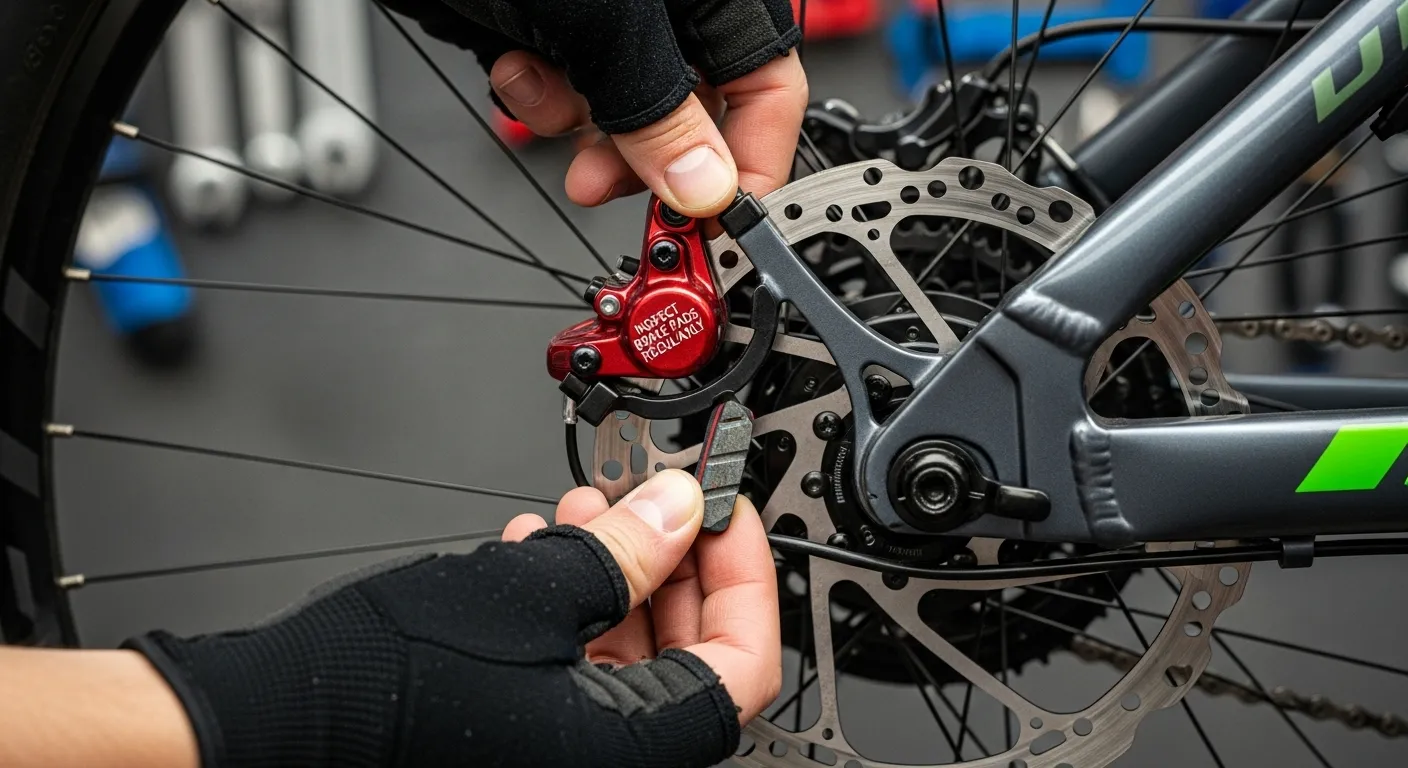
Inspect Brake Pads Regularly
Monthly brake pad checks should be part of your routine. Replace rim brake pads thinner than 1/4 inch and disk brake pads under 1mm. A damp cloth works great to wipe down components, especially when you have muddy rides.
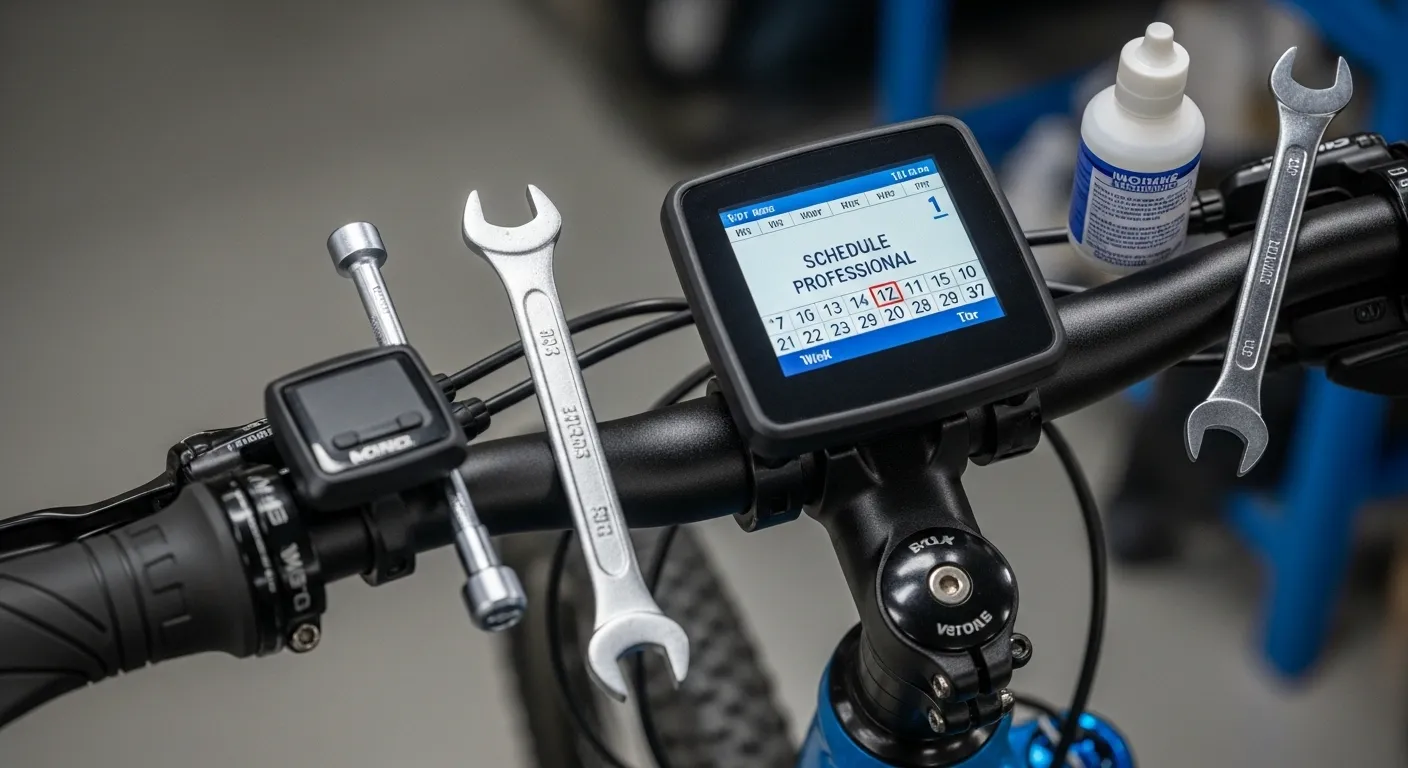
Schedule Professional Tune-Ups
E-bikes need more frequent care than regular bicycles because they move faster and carry extra weight. Riders covering 100+ miles weekly should plan professional tune-ups every 1,000 miles or every 3–4 months.
Conclusion
Your ebike offers great benefits but can face technical issues. Most problems come from the E-Bike Battery, motor, or controller. Many can be fixed by checking connections, resetting controllers, and inspecting wiring.
When basic checks fail, focus on specific components. Complex issues often have simple fixes, like adjusting brake inhibitors, aligning sensors, or addressing controller faults. Understanding these parts helps you identify and solve problems quickly.
Preventive care is key. Keep your battery between 40–60% charge during storage, Safely Clean your bike regularly, secure cables, and maintain tire pressure to avoid breakdowns. A maintenance schedule based on your riding habits keeps your ebike in top shape.
Electric bikes need more attention than regular bikes, but simple upkeep is easy and cost-saving. You’ll save on repairs and understand your bike better. Follow these troubleshooting tips to keep your ebike reliable for thousands of miles.