
Master Electric Bike Maintenance: A Beginner’s Guide
Your electric bike needs maintenance every 1,000 miles or about once every six months if you’re an average rider.
A well-maintained e-bike doesn’t just look good, it stays safe and lasts longer. Your pre-ride checklist should include three crucial items: tire pressure, loose parts, and battery status. Commuters who clock 100-150 miles weekly might need simple e-bike service every three to four months.
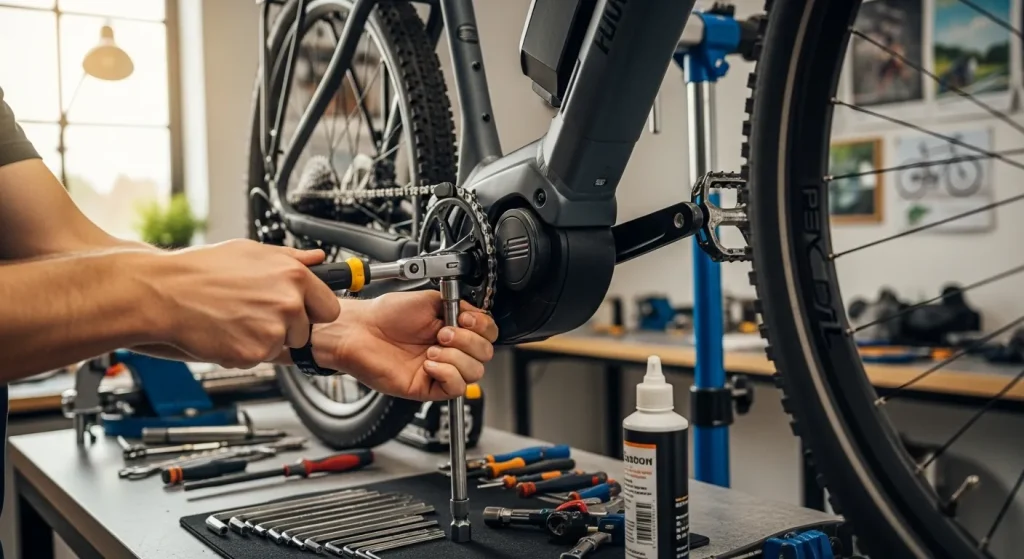
Your e-bike’s care goes beyond routine tune-ups. E-bike owners must watch their tire wear (lasting between 1,000-3,000 miles), brake pads, chain condition, and drivetrain performance. Smart battery habits will help extend your power source’s life.
This step-by-step piece will help you become skilled at electric bike maintenance, whether you ride on weekends or commute daily. Let’s explore the basics every beginner should know!
Start With Daily and Weekly Checks
Your e-bike’s protection begins with basic pre-ride checks. Check if your tire pressure matches the manufacturer’s recommended PSI shown on the sidewall. Your road tires usually need 80-130 psi, while mountain bikes work best at 25-35 psi. Hybrid bikes need something in between at 40-70 psi. Tires without enough air won’t roll properly and might damage your rims as time passes.
Inspect Loose Parts and Components
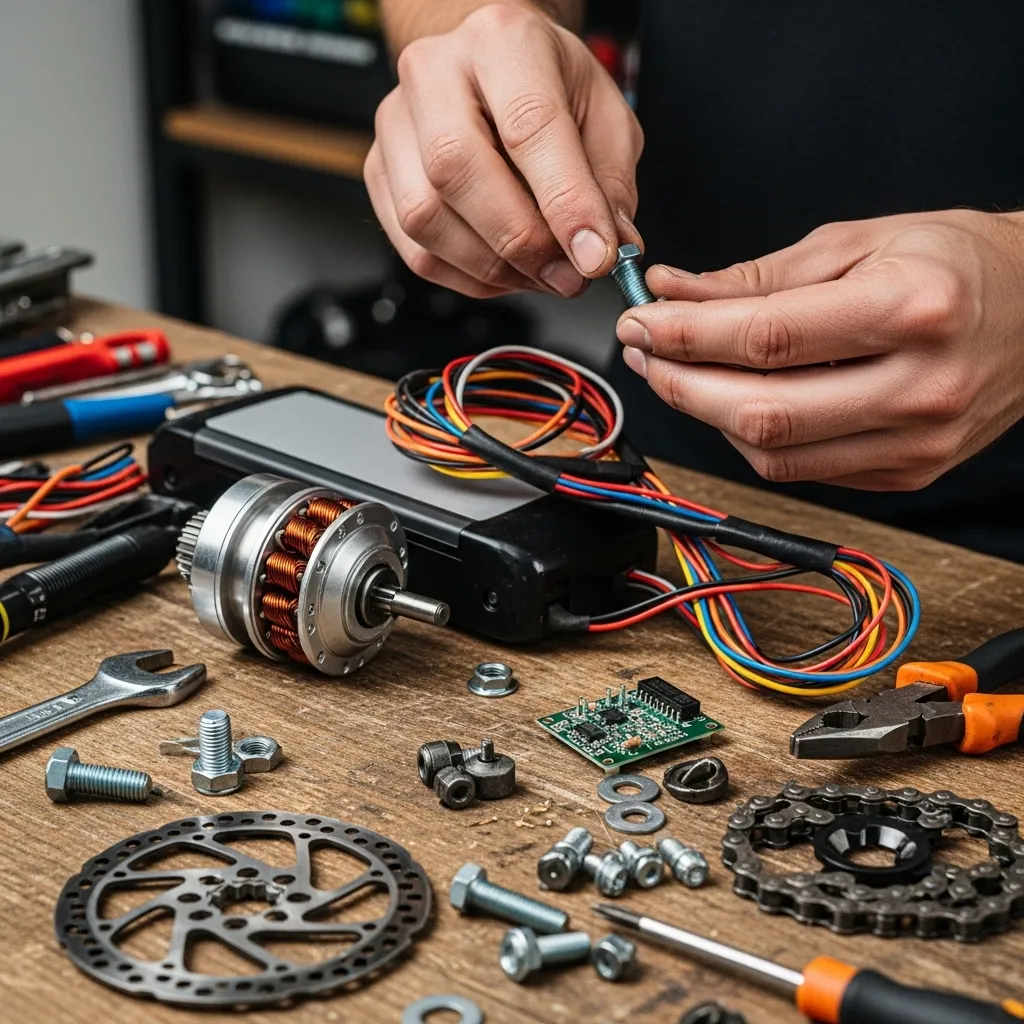
A quick visual inspection helps spot any loose parts. Make sure your brake levers, knobs, and electrical components stay firmly in place. Riding with loose parts isn’t safe and will affect your bike’s performance.
Monitor Battery Condition
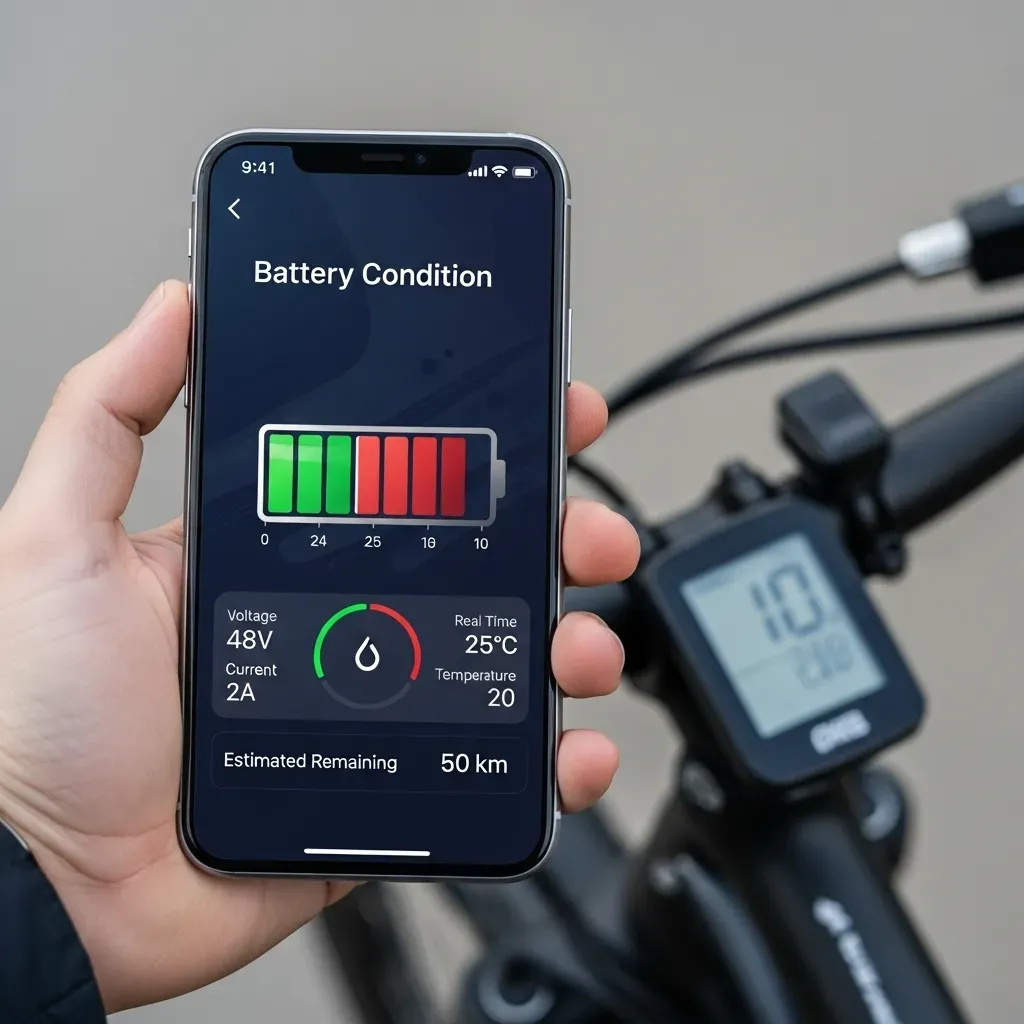
Your battery should have enough charge for your planned trip – just check the LCD display. The cold can cut your range by 15-30%, so plan accordingly. Let your battery cool down for at least 30 minutes after your ride before you plug it in.
Weekly Maintenance Routine
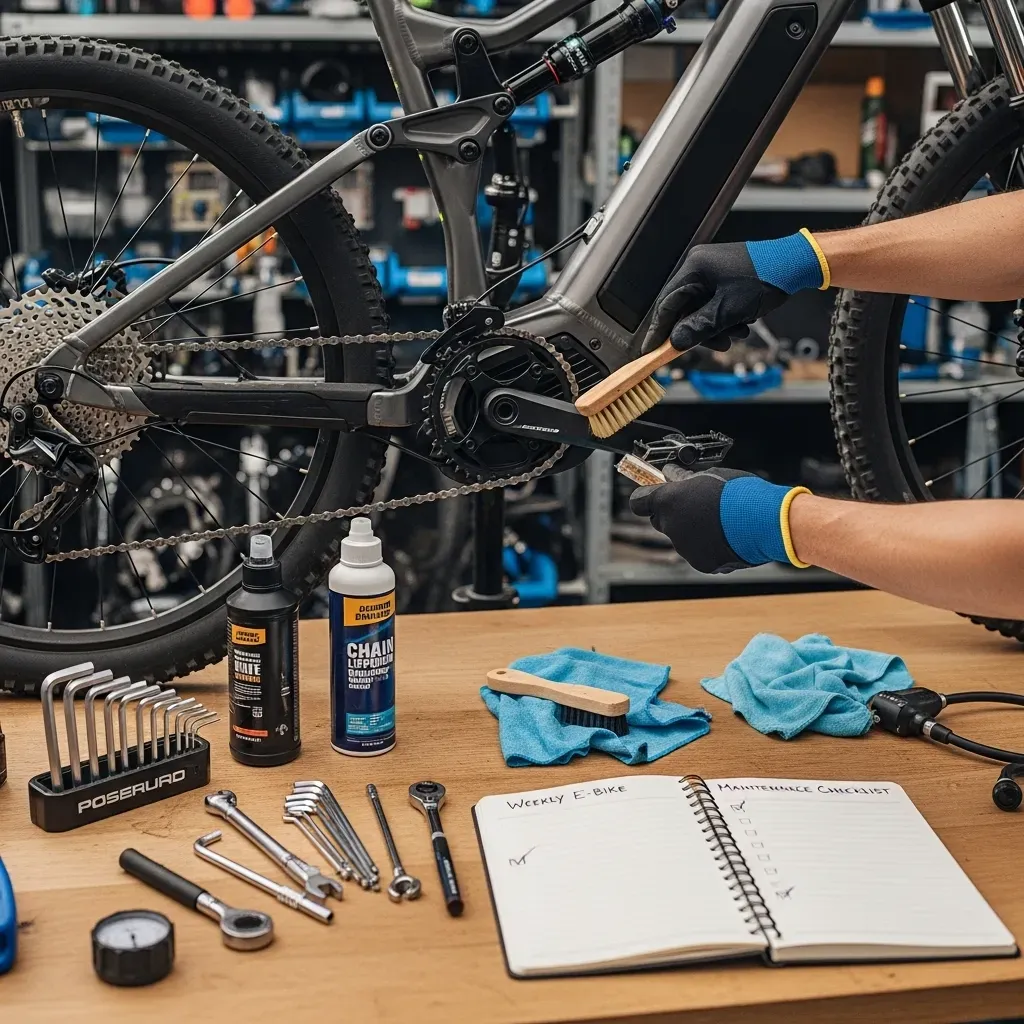
A good weekly maintenance routine should cover:
Clean your chainrings, cassette, and derailleur pulleys.Look at your brake pads for signs of wear.Check if all hardware is properly tightened.Look for any damage to your frame
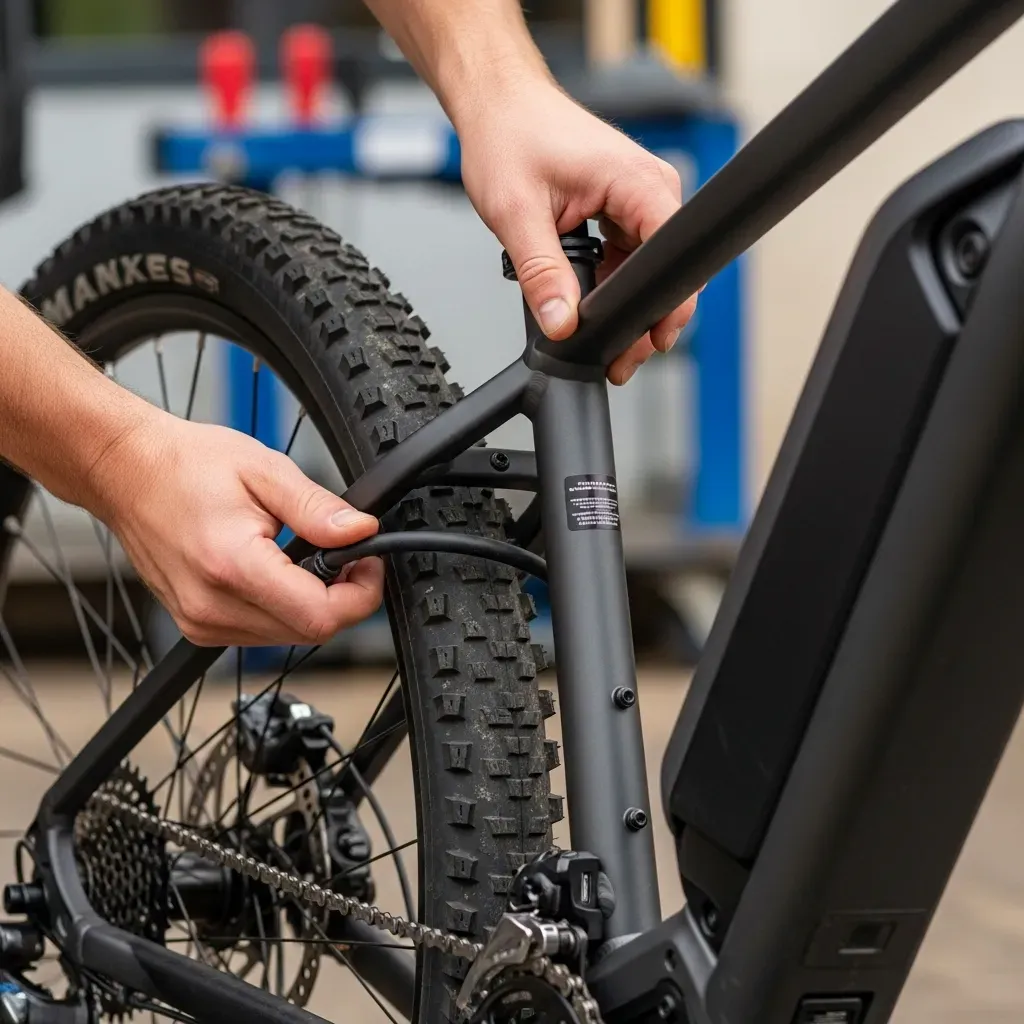
Tire and Frame Check
Keep a portable pump with a gage handy and check pressures weekly. Your tires need regular checks for cracks, stuck debris, or unusual wear patterns that might cause flats or blowouts.
Maintain Key Components Regularly
The core team knows that proper e-bike maintenance starts with taking care of parts that wear out the most. Your chain needs more frequent lubrication than regular bikes. You should really clean your chain with bicycle-specific degreaser after riding 100-200 miles. Put lubricant on each roller (not the side plates) and let it soak for 5-10 minutes. Make sure to wipe off any extra to keep dirt from building up.
Inspect and Replace Brake Pads
Your brake pads need regular checks too. The pad material should be at least 1.5mm thick – about the same as a grain of rice. Replace them right away if you see missing pieces, too much wear, or oil contamination.
Monitor Motor Temperature
Your motor’s temperature needs attention especially when it’s hot or during long uphill rides. Let it cool down for 15 minutes if the temperature goes above 200°F after riding at top speed for more than 20 minutes.
Protect Electrical Connections
On top of that, it’s important to keep electrical connections safe from moisture and rust. Many riders use silicone dielectric grease on connectors for better protection against weather.
Wipe your e-bike down after riding in wet conditions and store it standing up so water can drain properly. Pick a bike-specific lubricant that suits your riding style – dry lubricant works best in summer, while heavy-duty options are better for wet weather.
Build Long-Term Maintenance Habits
Regular checks are great, but your e-bike needs professional service at set intervals to stay in top shape. Even if you’re good with DIY repairs, getting professional tune-ups once or twice a year makes sense. Weekend riders should get a detailed service yearly, while daily commuters need tune-ups every 3-4 months or after 1,000 miles.
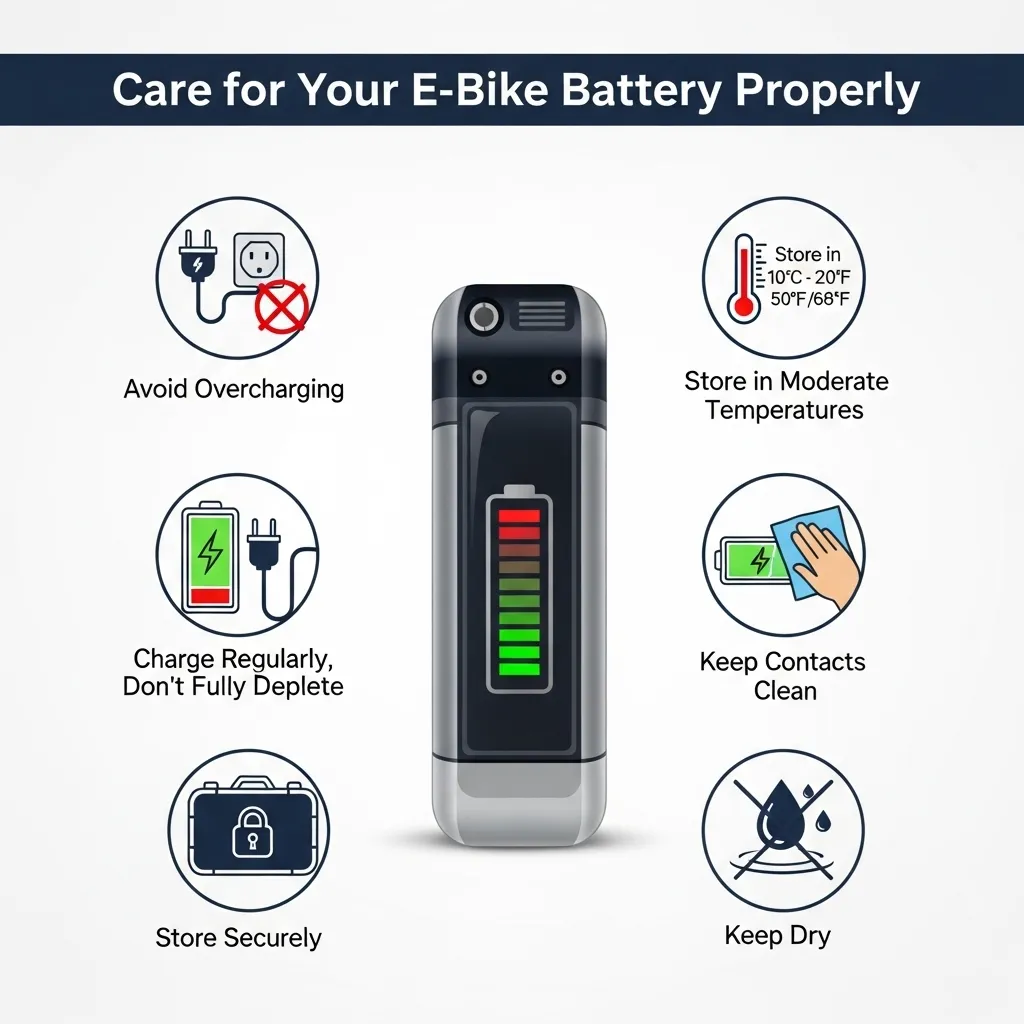
Care for Your Battery Properly
Your battery’s care plays a huge role in its life span. The best way to store your e-bike’s battery is to keep its charge between 30-60% instead of full. Keep batteries at temperatures between 42°F-69°F and give them a charge every 3-4 months to make up for natural power loss.
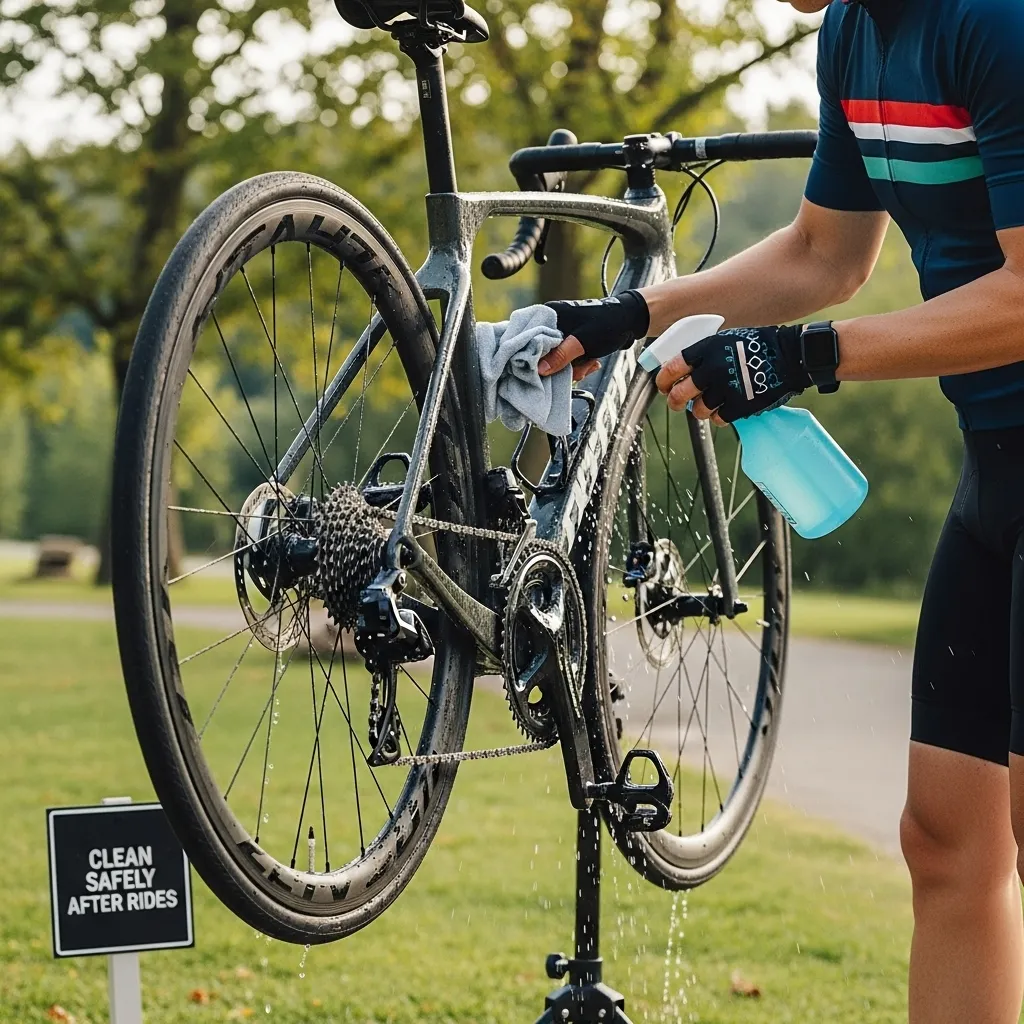
Clean Safely After Rides
E-bikes handle wet conditions well, but you need to dry all electrical connections after cleaning them. Skip the pressure washer and stick to gentle soap and water with microfiber cloths. A maintenance log helps track your mileage, service dates, and part replacements.
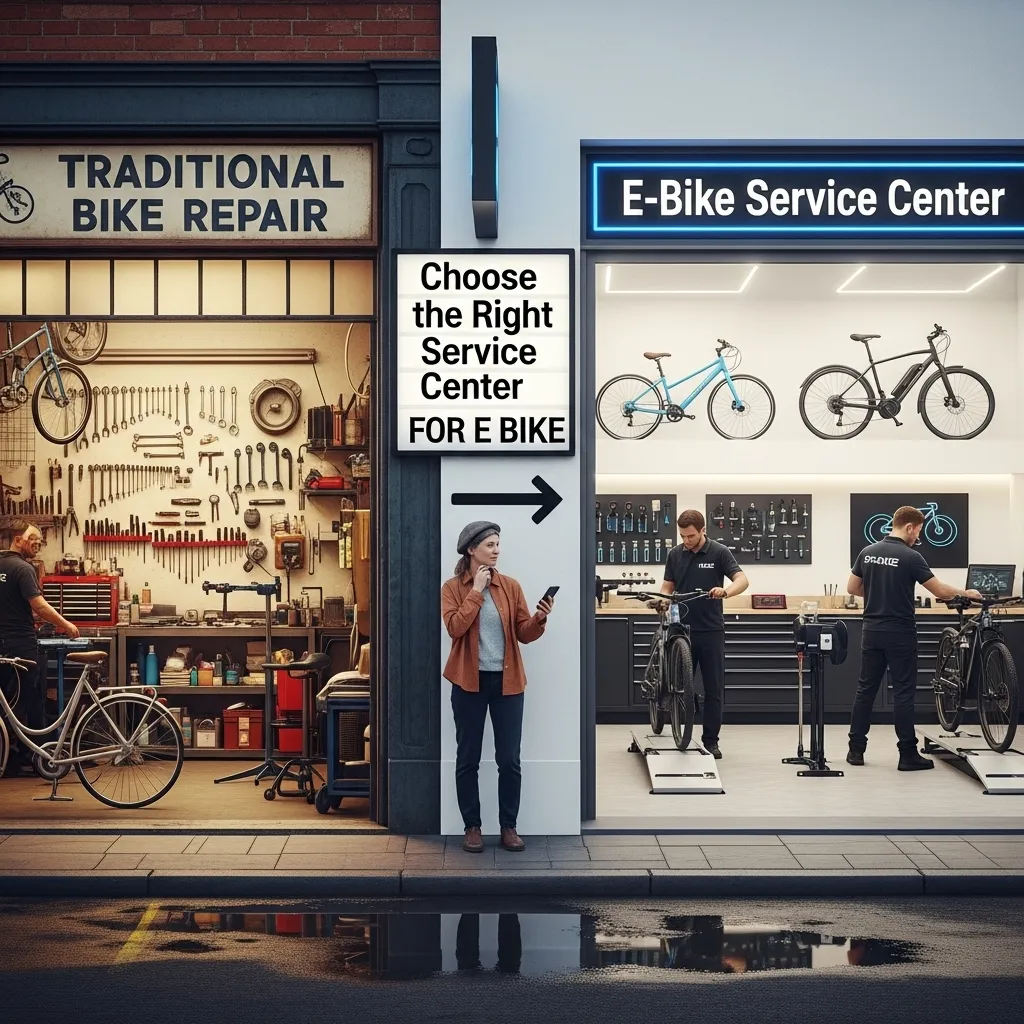
Choose the Right Service Center
Finding the right service center needs some thought. Many bike shops lack experience with electric models, so research places that work on your specific brand. Expert mechanics say professional tune-ups can get pricey, ranging from $100-$300 based on the work to be done. This investment ends up extending your e-bike’s life and prevents emergency repair costs.
Conclusion
E-bike maintenance is all about consistency and attention to detail. Regular pre-ride checks and weekly inspections prevent costly problems and keep your bike reliable. Chains, brakes, and electrical parts need care to maintain performance and safety.Also you can read our comparison guide about E-Bike Laws 2025.
Building long-term habits and scheduling professional tune-ups protect your investment. Proper battery care ensures lasting power and range. Though it may seem overwhelming at first, following these three simple steps makes maintenance easy. Stay consistent, and your e-bike will run smoothly for years.