
Can E-Bikes Really Replace Your Car?
Electric bikes have transformed urban travel completely. Most city trips – about 80% – cover less than five miles, making them perfect for e-bikes. Many of us know the pain of being stuck in traffic as precious minutes slip away. The numbers tell an interesting story. Car ownership costs this is a big deal as it means $10,000 per year. This makes e-bikes an attractive option for daily commutes. E-bikes cut travel time in half compared to cars during rush hour and produce no emissions. Riders can zip through bike lanes, skip traffic jams, and take shortcuts cars can’t access. E-Bikes Really Replace Your Car.
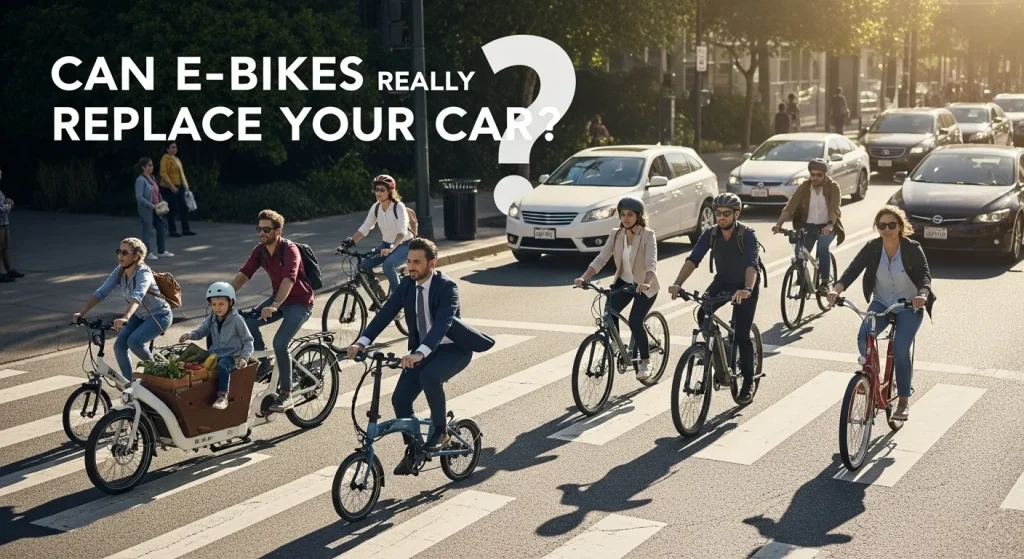
This piece explores how e-bike commuting could replace your car. You’ll learn about its exceptional benefits and key factors to think over before switching. E-bikes are a great way to get freedom from high gas prices, parking problems, and environmental impact – they might be the transport solution you need.
The commuter problem: why people are rethinking cars
Americans face a growing challenge with their daily commute. A remarkable 75% of people drive to work, spending about 28 minutes each way. This adds up to almost an hour every day, and commuters end up losing around 3.5 years of their lives stuck in traffic.

Physical Health Impacts
The impact goes far beyond lost time. Research shows that people who commute more than 10 miles have higher blood pressure. Those who travel 30 miles round trip tend to be more obese and have unhealthy waist sizes. People also struggle to find time to exercise when they spend so much time commuting.

Mental Health and Stress
The mental health effects paint an equally troubling picture. People who drive to work feel more stressed than those who take public transport. This extra stress leads to ongoing high blood pressure and makes people less satisfied with their lives.

Financial and Environmental Costs
Car ownership now costs more than ever – over $12,000 per year, which breaks down to more than $1,000 each month. These rising costs come at a time when environmental worries are growing, since transportation creates 28% of U.S. greenhouse gas emissions.
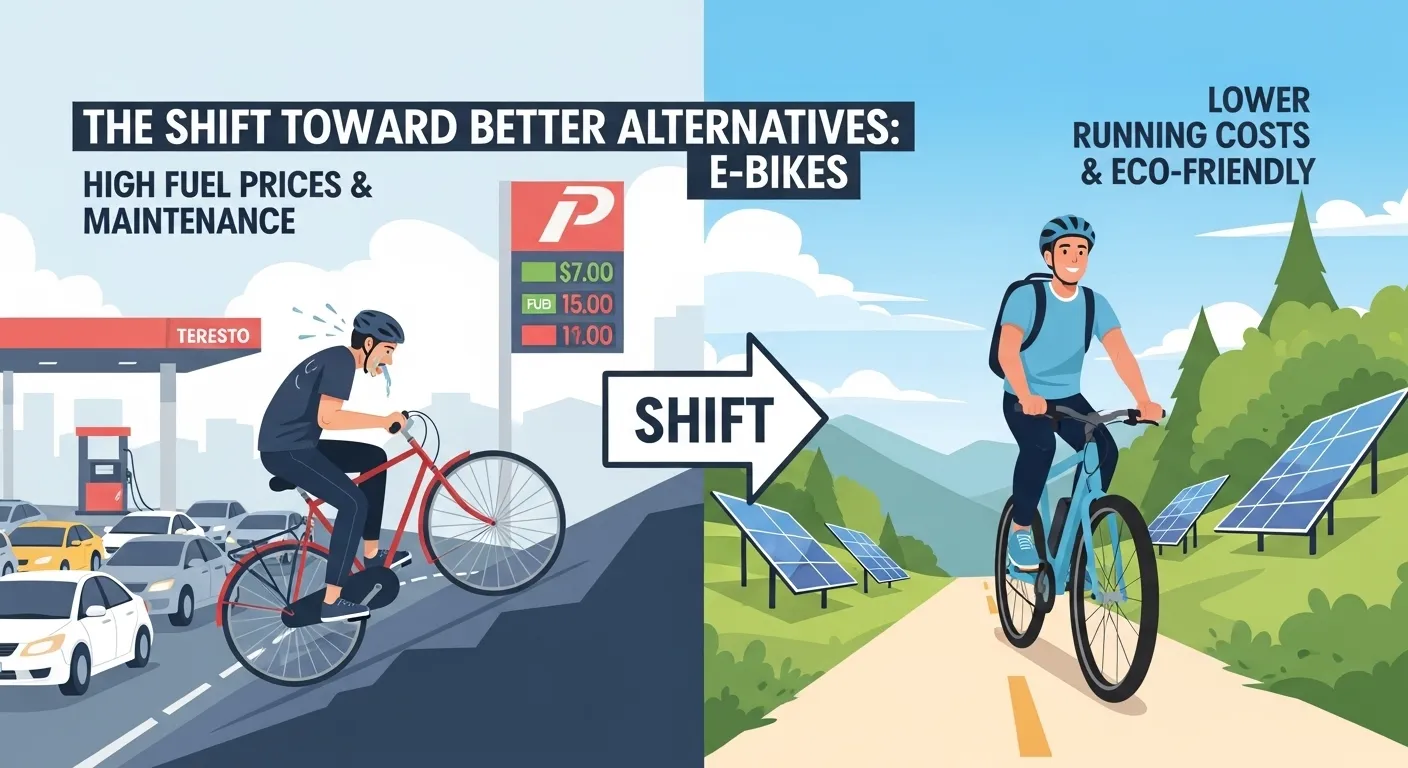
The Shift Toward Better Alternatives
These combined challenges have pushed many commuters to look for better options that help their health, wallet, and the environment. The mix of these problems explains why people now see traditional car commuting as outdated and why they’re looking for healthier and better ways to get around.
How electric bikes solve the daily commute
E-bikes offer a practical solution to modern commuting challenges. Research shows they could replace most car trips – up to 57.6%, making them a quick alternative to regular transportation. Fat-Burning E-Bike Workouts for Beginners is also a good guiding.
Cost Efficiency and Savings
The numbers make a compelling case for e-bikes. You’ll spend just $0.22 to cover 100 miles on an e-bike, which is nowhere near the $14.69 needed for gas-powered vehicles. A real-world example shows this clearly – one rider covered 11,500 miles in five years and spent only $30.75 on electricity. The same distance in a car would have cost about $1,500 in fuel alone.
Health and Fitness Benefits
E-bikes pack impressive health benefits too. Studies confirm that riders get good exercise even with power assist. People who participated in various studies reported better fitness levels, lost weight, and built more stamina. Riders also showed better mental health, less stress, and felt happier overall.
Environmental Impact
These bikes really shine when it comes to helping the environment. They produce just 9g of CO2 per kilometer, 30 times less than regular vehicles. Switching to an e-bike for daily commutes could cut your yearly CO2 emissions by 225kg.
Overcoming Common Cycling Challenges
Power-assist technology helps riders overcome common cycling challenges. Hills become easy to tackle, and you won’t arrive at work drenched in sweat. Longer rides feel more doable too. Since batteries typically last 20-50 miles per charge, most city commutes are perfectly manageable on an e-bike.
What to consider before Replace Your Car with an eBike
You need to think over a few practical things before switching to an electric bike for your daily commute. Your cargo requirements should be the starting point. E-bikes can handle total loads between 300 to 450 pounds, which includes the rider’s weight. Cargo e-bikes work great as car alternatives for daily tasks – they can carry kids, groceries, and work gear with ease.
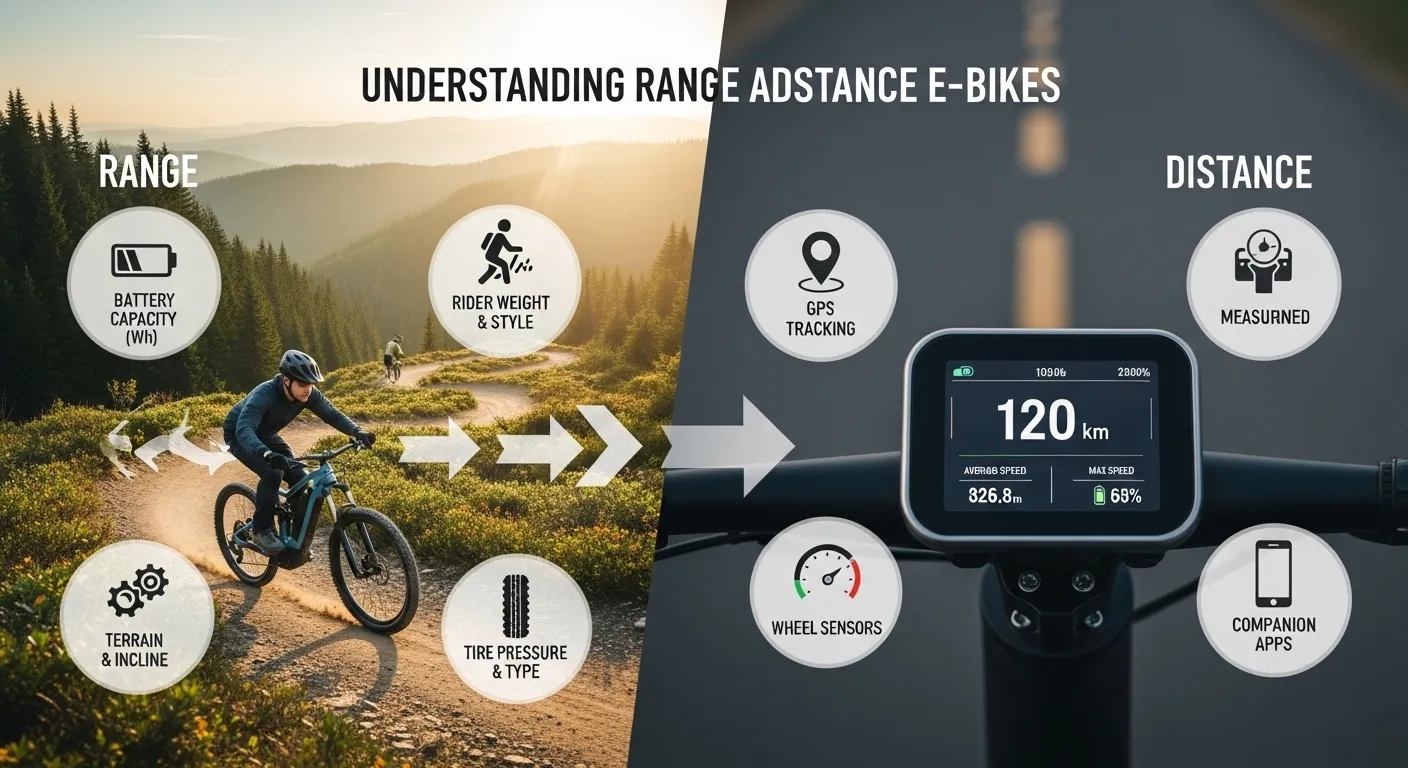
Understanding Range and Distance
The distance you plan to cover matters too. E-bikes typically run 20-70 miles on a single charge. However, factors like hills, weight, and weather affect the range by a lot. Battery performance drops 15-20% in cold weather, and hills use up much more power than flat roads.

Weather and Riding Conditions
Your local weather plays a key role. Research shows that snow, ice, rain, and strong winds affect how often people use their e-bikes. Notwithstanding that, you can commute year-round in most places with the right gear and preparation.

Charging and Storage Challenges
Living arrangements need a close look. People in apartments face special challenges with charging and storage. E-bikes need standard power outlets because they can’t use public EV charging stations like cars do.
Conclusion
E-bikes offer a smart, affordable alternative to car commuting. They save time, money, and stress while improving health and cutting emissions. Though factors like weather, cargo, and charging matter, most city riders can manage them easily. E-bikes won’t Replace Your Car entirely, but for many daily trips, they’re the better, greener choice. you can read our comparison guide about E-Bikes: Carbon Footprint also.