Solar Panels for E-Bikes: Real Performance Explained
Solar panels are becoming a viable power option for ebikes. Most modern ebikes use Lithium-ion batteries that range from 300Wh to over 2000Wh capacity. The actual performance of these solar charging systems is different by a lot from what theory suggests. You can charge an electric bike with a solar panel, but there are practical limits. A typical 100-watt solar panel gives about 400 watt-hours daily. This amount can charge roughly 80% of a standard 500 watt-hour ebike battery.
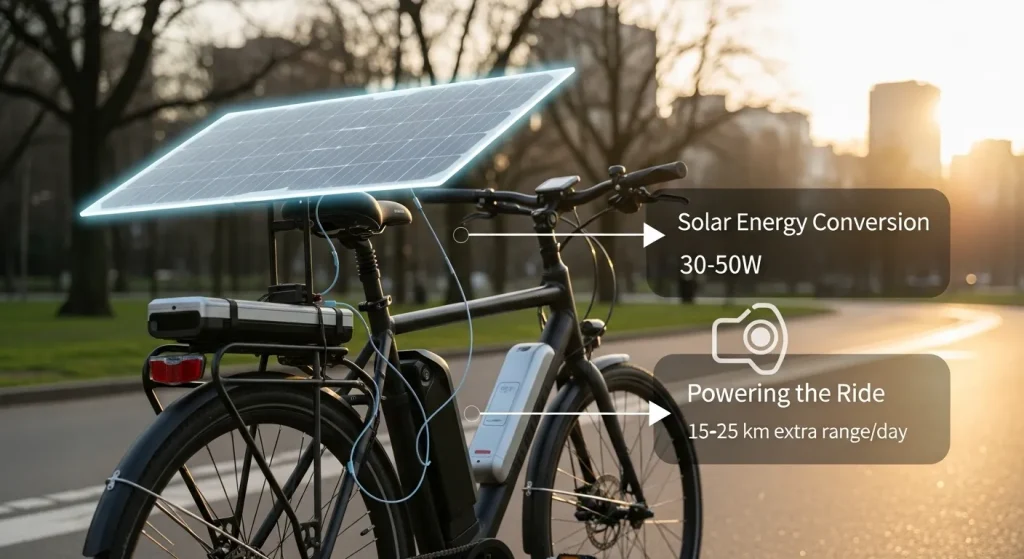
Battery capacity and panel wattage affect charging times a lot. A 750Wh battery paired with a 200W panel needs 4-5 hours in perfect conditions. Large 2000Wh batteries take 8-10 hours even with 400W panels. A bike owner found that their panel’s real output rarely matched its rated capacity while trying to charge their 450Wh battery with a 100W panel. This piece gets into the facts about solar panel charging for ebikes. You’ll learn about equipment needs, setup choices, and what performance you can expect in 2025 and beyond.
Why Solar Panels Charging an Ebike Is Appealing
Solar panels for ebike charging offer more than just convenience. Cyclists looking for eco-friendly transportation have discovered multiple benefits that transform how they power their rides.
Eco-friendly and renewable
Solar charging eliminates emissions and gives ebike owners a clean power source. These systems use sunlight to operate with zero carbon emissions, making them better for the environment than grid electricity that partly relies on fossil fuels.
Solar-powered ebikes lead the way to clean transportation solutions, especially in busy cities where air quality has become a growing concern.
Freedom from the grid
The biggest advantage of solar charging lies in energy independence. A well-designed solar setup means riders don’t need to search for power outlets or worry about dead batteries. This becomes valuable during blackouts or in places where electricity isn’t reliable. Solar panels last over 25 years and need little maintenance. They provide dependable power and run quietly, unlike generators that make noise.
repeated hits.
Cost savings over time
The high upfront cost of solar charging makes sense economically for many riders. Regular electricity costs almost nothing to charge an ebike, less than a penny per mile, but solar charging removes even this small expense. These savings grow over time as fuel and electricity prices rise.
Some cyclists haven’t used grid power for their ebikes since early 2022, showing real-life financial benefits of this approach.
Useful for remote travel
Adventure riders find solar charging lets them explore way beyond the electrical grid. Quality solar panels make life easier on less traveled paths, and cyclists can generate power anywhere they go. This opens new possibilities for multi-day tours and camping trips. Riders can recharge their batteries during sunny breaks. Solar generators also combine battery storage and charging circuits in one portable unit, offering simple solutions for charging needs in remote areas.
What You Need for a Solar Charging Setup
A functional solar charging setup for your ebike needs specific components that work together quickly. These parts convert sunlight into usable power for your electric bike’s battery.
Solar Panels types and sizes
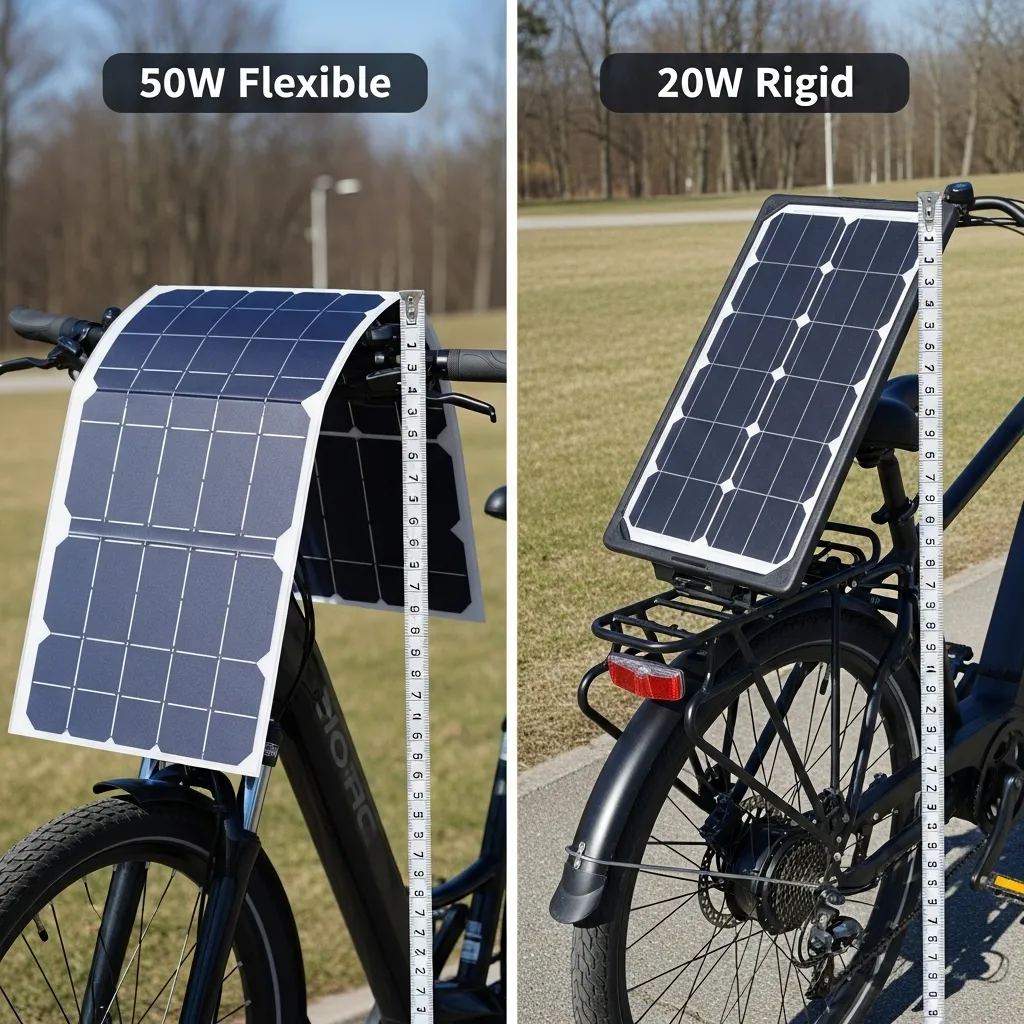
Solar panels are the foundations of any charging system. You’ll find three main types, each with unique advantages:
The available options include rigid panels that provide stable output and durable performance, while foldable versions work great for touring since they pack small.
Charge controller options
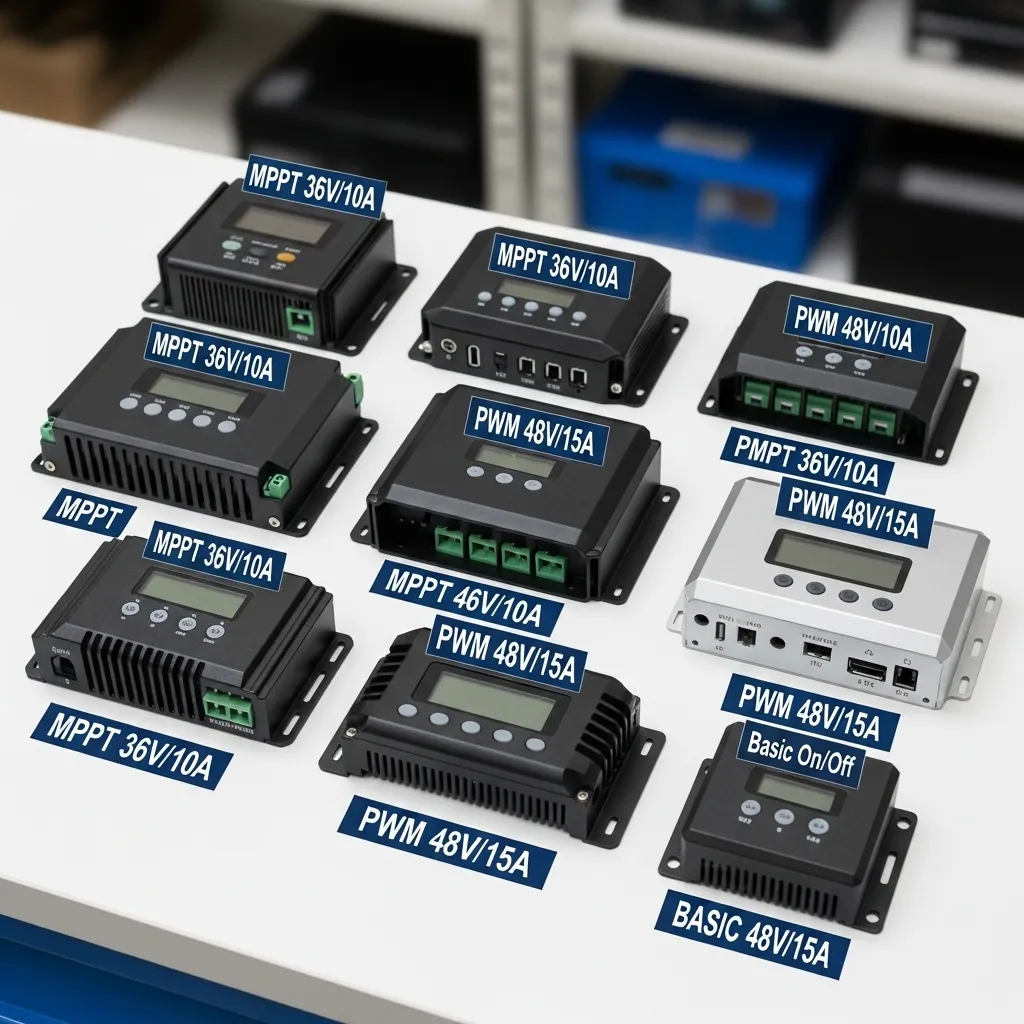
The charge controller works as your system’s brain:
Battery compatibility
Your controller should match your battery’s specs. The voltage configuration and compatibility with lithium-ion charging algorithms (CC/CV) are crucial factors.
Optional: power station or inverter
Inverters let you use your original AC ebike charger with a solar-charged battery bank, though they’re less efficient due to multiple power conversions. Solar generators combine battery storage and charging circuitry in a portable unit, offering a convenient all-in-one solution.
Direct Solar Panels vs. Power Station Charging
Looking to charge your ebike with solar power? You have two main options, each with its own benefits. Let’s explore these methods to help you pick the right one.
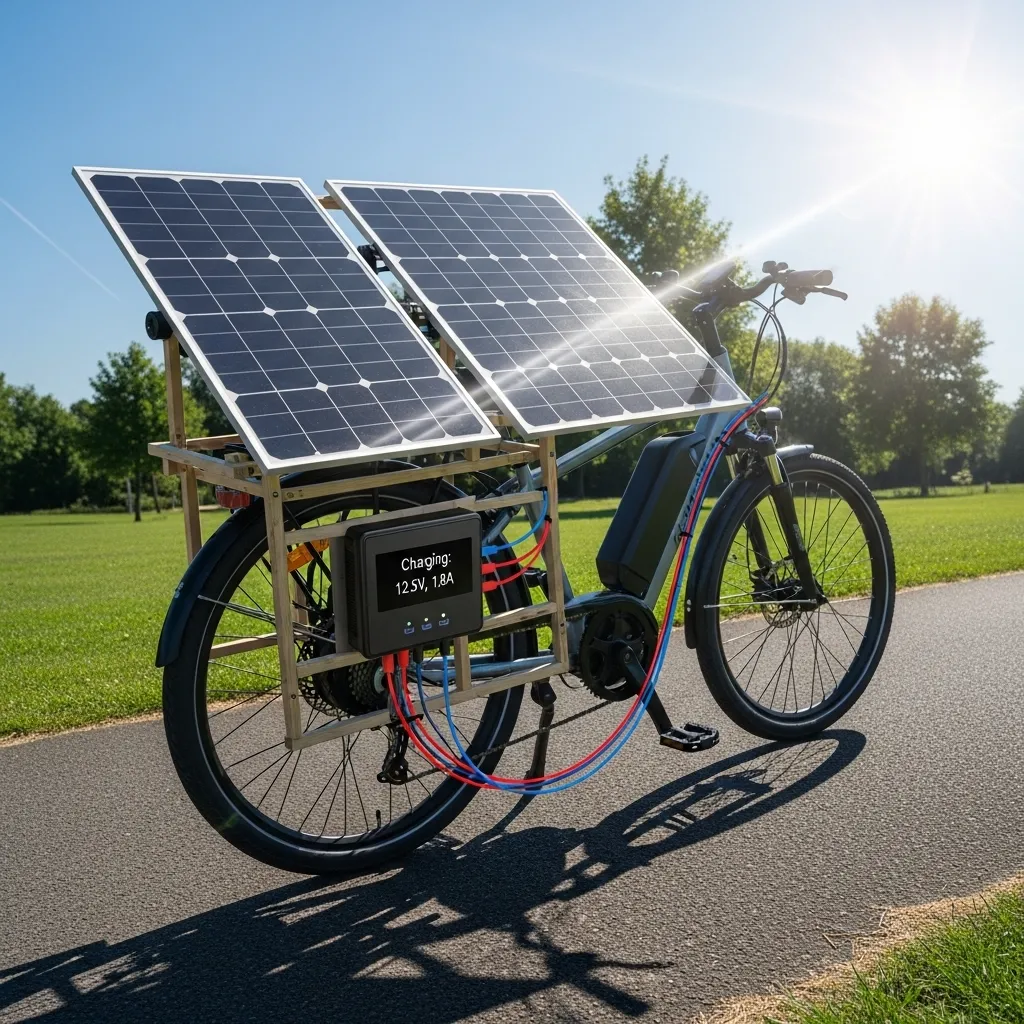
How direct Solar Panels charging works
Direct solar charging creates an optimized DC-to-DC charging path. A solar panel captures sunlight and sends it through a charge controller. The controller adjusts voltage and current before feeding it into your ebike’s battery. You’ll need to match your components carefully. The panel voltage, controller specs, and battery voltage must work together to avoid charging problems or damage. Most ebike batteries run at 36V to 48V, so picking a solar panel with enough voltage is vital.
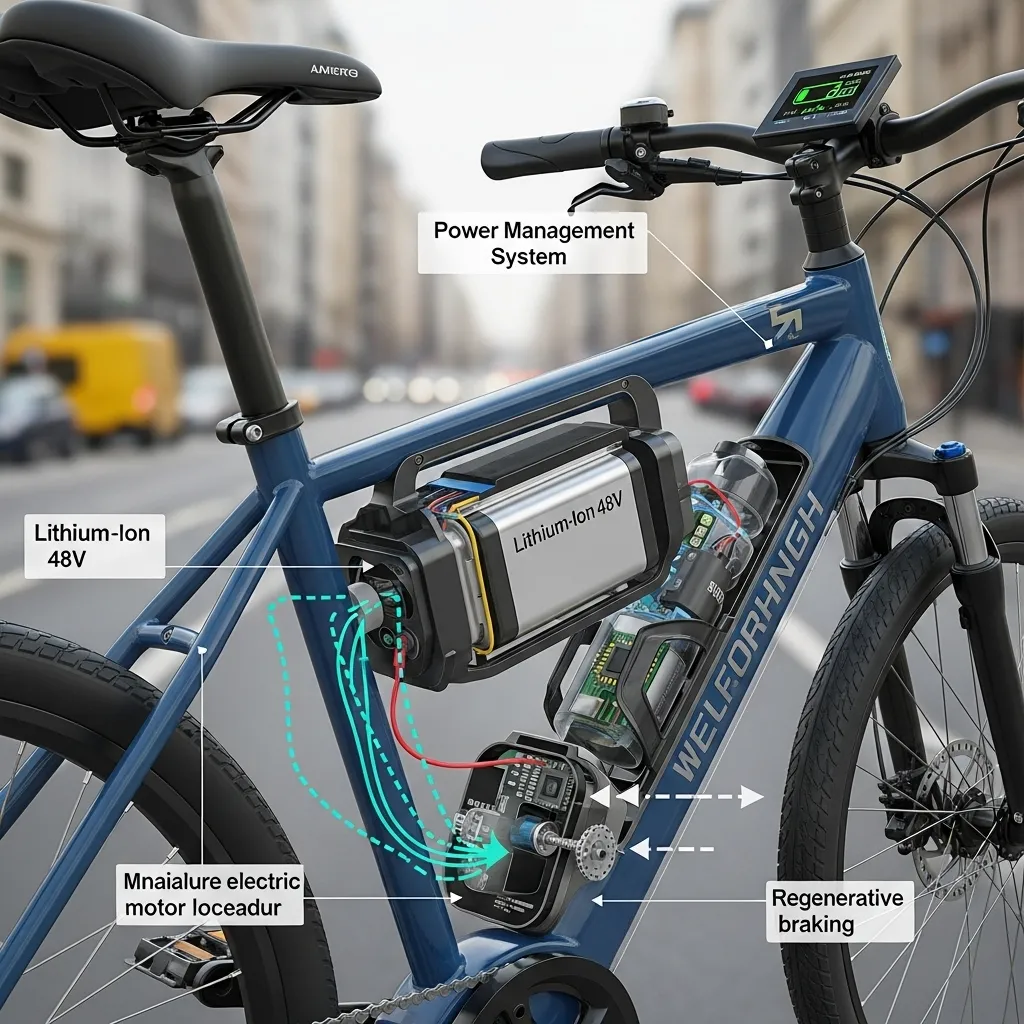
How power stations work
Power stations (also called solar generators) pack several components into one portable unit: a rechargeable battery, built-in charge controller, inverter, and various output ports. The power station’s battery charges from a solar panel, wall outlet, or car charger. You can then charge your ebike by plugging its standard AC charger into the station’s AC outlet. Many modern power stations come with MPPT controllers that help maximize solar charging efficiency.
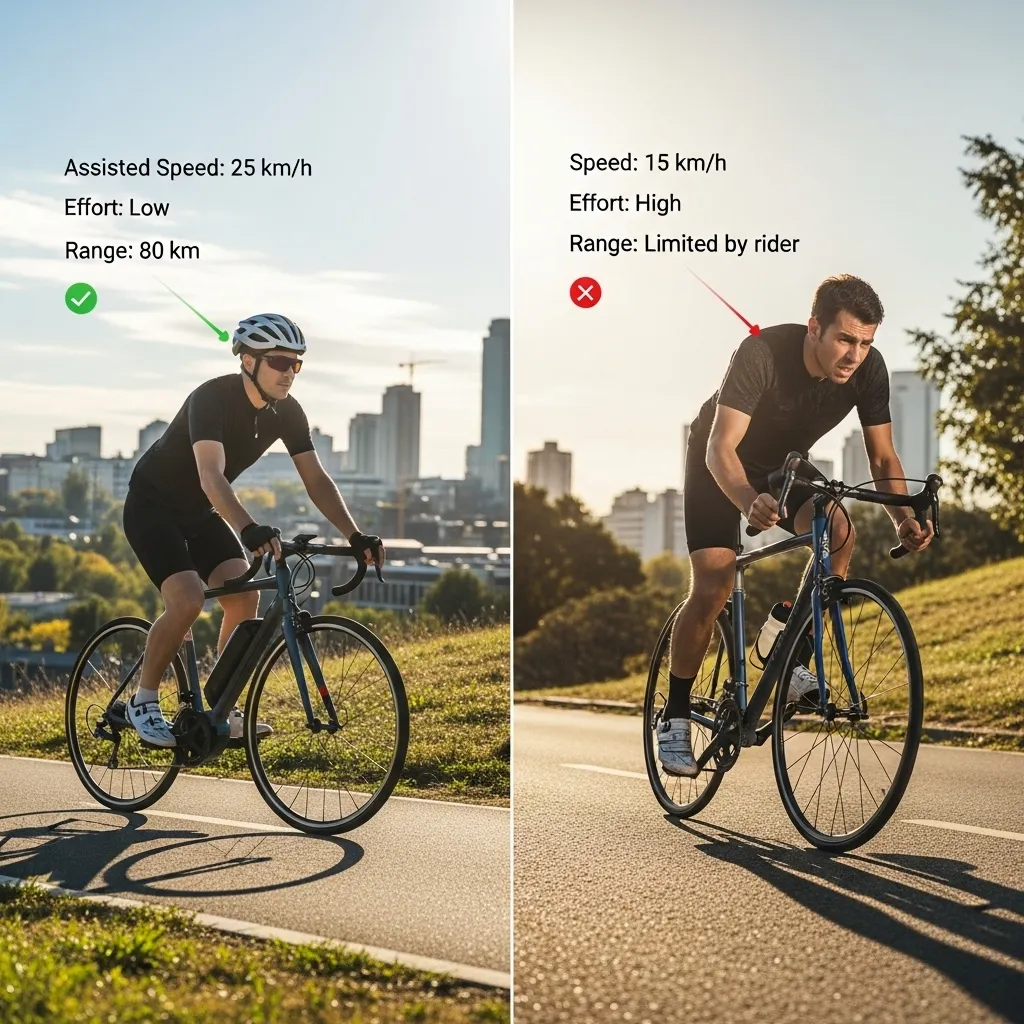
Efficiency comparison
Direct solar charging proves more efficient thanks to its straight DC-to-DC transfer. The power station’s AC outlet loses some energy during the DC-AC-DC conversion process. A good 100W panel can generate 400-500Wh on a sunny day through direct charging. Power stations make up for lower efficiency by offering energy storage options that direct charging doesn’t have.
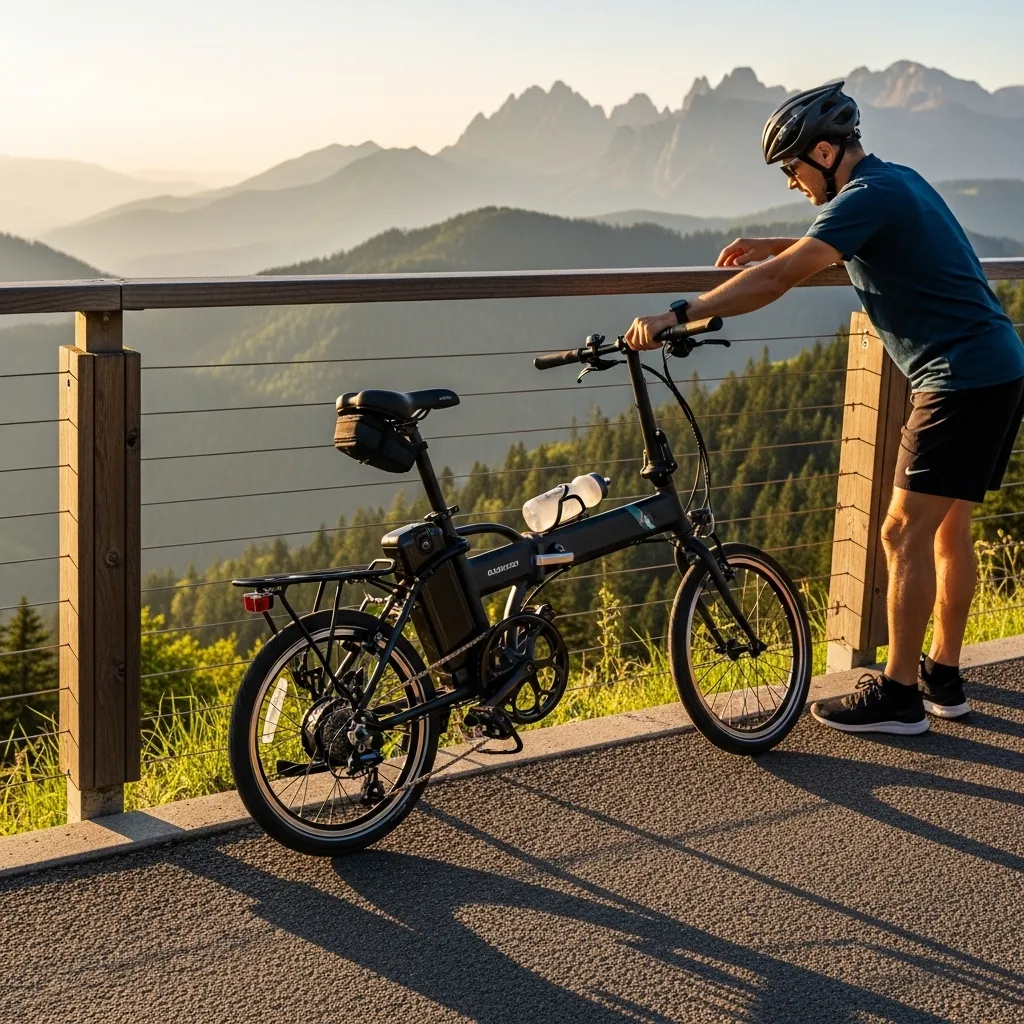
Ease of use and portability
Power stations shine with their plug-and-play setup, they’re like having a wall outlet anywhere. These units weigh more because of their built-in batteries. Direct solar setups weigh less and take up less space, but you’ll need some technical know-how to set them up and match components properly.
Real-World Performance and Limitations
Ground solar charging rarely matches what manufacturers promise on paper, so you need realistic expectations to succeed. Users with experience often report surprising differences in performance that beginners tend to miss.
How much power you actually get
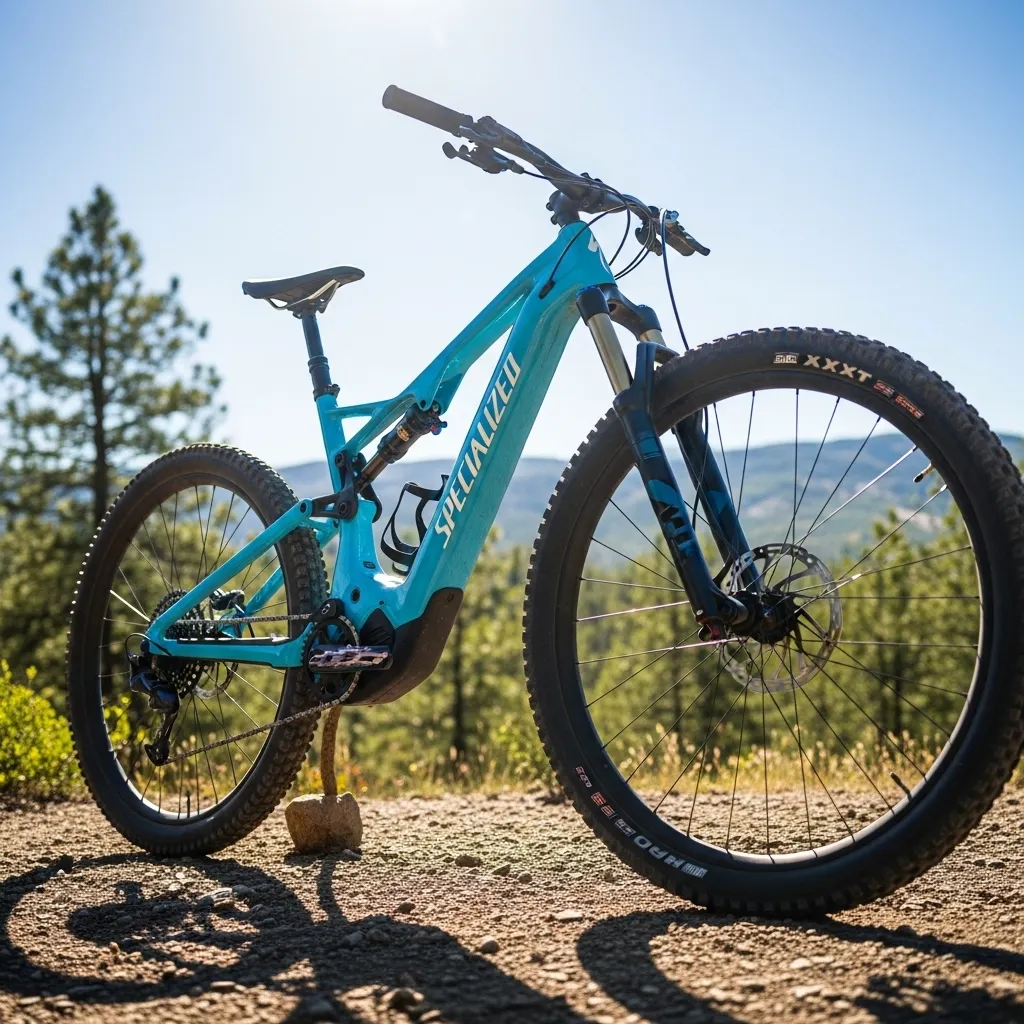
Solar panels deliver about 4 watt-hours per nominal panel watt each day when you factor in all conditions. A 100W panel gives you 400-500Wh on a good day, which lets you charge an average 500Wh ebike battery to 80%. Tests in the field show actual output falls below rated capacity, a 40W setup measured only 34W.
Effect of weather and shade
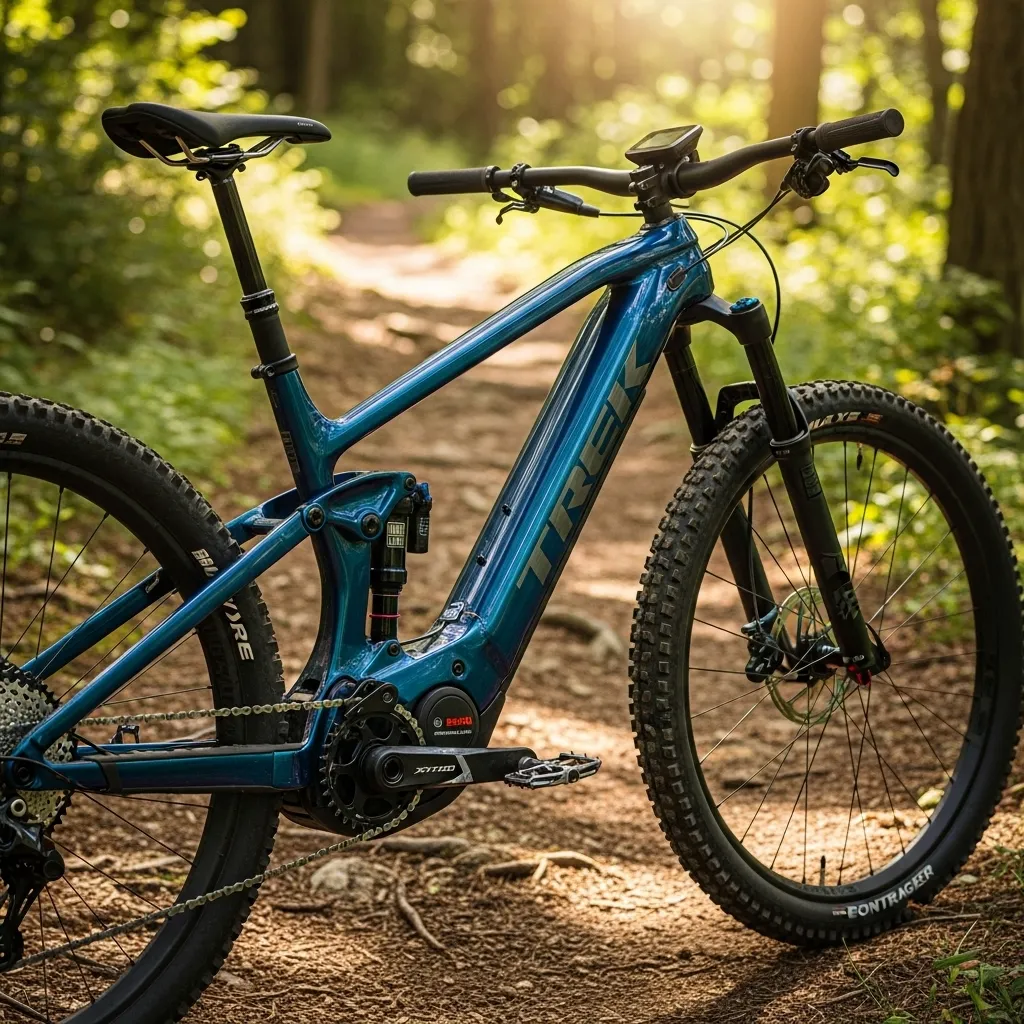
Weather plays a huge role in performance. Panels produce 7-8Wh/watt in perfect conditions, but thick clouds drop output to just 1Wh/watt. Shadows from tree branches or bike parts can cut efficiency more than you’d expect. A 90W panel might give you just 10W on cloudy days and 2-3W in heavy rain.

Can you charge while riding?
You can do it technically, but it rarely works well. Panel output (50-200W) stays well below what motors use (250-750W+), so it mostly extends range rather than fully charging your battery. You can’t keep panels at the right angle while moving.
Charging time estimates
Your charging time runs 4-8 hours based on panel wattage, battery capacity, and sunlight quality. A 600Wh battery at 30% discharge needs about 6 hours of full sun with 80W output.
Common mistakes to avoid
People often overestimate panel output in normal conditions. Cold weather reduces battery range by 20-50%. Many riders don’t realize how much shade affects overall performance.
Managing expectations
Think of solar charging as a backup rather than a replacement for grid power. Riders planning tours should calculate their needs using: Panel Watts = (Daily Distance × Energy Consumption) ÷ Solar Generation Factor.
Conclusion
Solar Panels charging systems for ebikes offer exciting possibilities in eco-friendly transportation, but they come with limitations riders should understand. This piece shows how these setups perform in real-world conditions rather than theoretical scenarios.
The gap between expected and actual output is the key factor. A 100W panel may produce around 400Wh daily in ideal conditions, but weather, shade, and temperature can cut output by up to 90% on cloudy days.
Direct solar charging through DC-to-DC connections is more efficient but requires some technical skill. Power stations add convenience and storage but reduce efficiency. Both options work depending on your comfort with setup.
Solar Panels charging provides more than convenience, grid independence, long-term savings, and environmental benefits make it worth exploring. Adventure cyclists especially benefit during long trips without power access.
Solar tech continues improving with better efficiency and lighter components, but physics still sets limits. Riders should view solar as a helpful addition, not a full replacement for grid charging.
The reality of solar for electric bike sits between hype and criticism. With proper expectations, matching components, and planning, riders can get real value from Solar Panels charging.